Aisha Niang is an expat living in Panama City, Panama. She was born in the Big Apple, and at age 46 quit her career as a utility director. Two years later, she moved to the Isthmus.
She also has cerebral palsy. This is just another fact, one that hasn’t stopped her from traveling to 27 countries (and counting!). Aisha has a dream of being awarded a Guinness World Record for a person with a disability traveling to every country in the world.
She has Senegalese, Jamaican, and Panamanian desc
She also has cerebral palsy. This is just another fact, one that hasn’t stopped her from traveling to 27 countries (and counting!). Aisha has a dream of being awarded a Guinness World Record for a person with a disability traveling to every country in the world.
She has Senegalese, Jamaican, and Panamanian descent. Of this, she says, “I actually want to be an international spy… I’m working on getting different passports.”
With such a varied background and innate wanderlust, how come she decided to settle in Panama?
For her, the country’s use of the U.S. dollar is convenient, and checked one of her boxes. It’s the currency she’s used to, and didn’t want to spend time calculating exchange rates.
Panama is also an international hub, which didn’t hurt. As she loves to travel, she can get to almost everywhere from the Hub of the Americas.
As a U.S.-born citizen, the visa process was easy. At the time of her move, the Friendly Nations visa rules hadn’t changed to include a $200,000 investment requirement, and she just paid a $5,000 visa fee.
If you’re thinking about moving to a specific country that has favorable visa options for you, don’t spend too much time dwelling on your decision. She recommends jumping ship sooner rather than later, as visa rules and fees can change at any time. Think too hard and you might just miss the chance.
“I love that Panama has so many different cultures,” she adds about what helped her made the decision to move here. “I also love living in a place where people vacation.” She used to run away to Panama to escape the hustle and bustle… so she decided to make it her permanent home.
Aisha feels happier and more relaxed here. She attributes part of it to quitting her job, but it helps that the culture in Panama is much more laidback, which rubbed off on her.
Start Your New Life Overseas Today!
Sign up for our free daily e-letter, Overseas Opportunity Letter, and we'll send you a FREE report on the 12 Best Places To Retire Overseas In 2026.
We Value Your Privacy! We will not share your email address with anyone else, period.
“I feel like I can breathe… like I can just take my time. I used to be so concerned about being on time and rushing everywhere. Now I’m just like, I will get there when I get there (but I’m still on time).”
The truth is that she just doesn’t feel that pressure anymore. It’s part of the Panamanian culture she has embraced. The feeling of belonging that she gets here is unmatched.
Aisha has also let go of being a “control freak.” She lives by the saying “This is Panama,” which to her means that sometimes things just happen here, like struggling to open your bank account because they require you to sign exactly like your passport signature of eight years ago. That’s just Panama.
“At every appointment I’ve had in Panama, the doctors have sat down with me for about 20 to 30 minutes just to learn about me and listen to me. Learn about my history, my habits, to get an understanding of who they are trying to treat. Even the dentist. The dentist! Imagine that.”
Even though she is from New York City and was living in Houston, Texas, before moving, by relocating to Panama her lifestyle upgraded, and it happened with less money than she was spending back in the United States.
She’s now living in Avenida Balboa, which is one of Panama City’s most high-end and coveted addresses. She wakes up with the sun, not an alarm clock. She has direct ocean views, something that she couldn’t have afforded in Houston.
Aisha feels safer in Panama. Even though you have to exercise a degree of caution anywhere, she doesn’t feel like she has to look over her shoulder here.
Panama’s local cuisine can be described as a fusion of Latin American, Afro-Caribbean, and Indigenous traditions. But what Panamanians eat day to day shows a globalized food culture.
Foreign dishes are not made just occasionally… they have become staples in households, restaurants, and gatherings throughout the country. Whether it’s Chinese dim sum breakfasts in the city or Venezuelan arepas sold on street corners, these foods that used to be “foreign” are now a part of Panama’s everyday life
Panama’s local cuisine can be described as a fusion of Latin American, Afro-Caribbean, and Indigenous traditions. But what Panamanians eat day to day shows a globalized food culture.
Introduced by the Cantonese immigrant community that began arriving in the 19th century, dim sum (known locally as “desayuno chino”) has grown from a niche offering in Chinatown to a nationwide institution. Panama City alone has dozens of restaurants offering a full dim sum menu including shrimp dumplings, pork buns, siu mai, and rice noodle rolls, often served from rolling carts in bustling dining halls.
Far from being a luxury or novelty, dim sum can be affordable and familiar. This depends on which restaurant you buy from though, as adding many menu items can quickly rack up the bill. For an affordable taste of dim sum, the small convenience stores or chinitos often sell siu mai for cheap. You can also buy frozen dim sum mix varieties at the supermarkets to make it at home.
Families gather around lazy Susans, slurping tea and sharing stories over dumplings in the same way they might over sancocho. For many Panamanians, Chinese food is simply local food.
2. Spaghetti And Italian Pastas
Italian cuisine is deeply woven into Panamanian daily meals, especially pasta. Though Panama never had a large wave of Italian immigration like Argentina or the United States, pasta became a pantry staple thanks to its convenience, affordability, and ability to pair well with local ingredients like tomato, ground beef, and local spices.
“Espagueti con carne molida” (spaghetti with ground beef) is a go-to weekday meal across the country. Versions with canned tuna, tomato sauce, or white sauces are also common in school cafeterias and home kitchens alike. I actually cook espagueti con carne molida at least once a week, because it’s an easy, quick, and convenient meal.
Growing up, this was also a staple item in my parents’ household. Variations included pasta with stewed chicken in tomato sauce, with the occasional change of sauce or protein like pasta with shrimp in a creamy sauce.
In fact, it’s not uncommon to find pasta served alongside arroz con pollo or even plátano maduro at fondas (local eateries) or gatherings… an unapologetic carb overload that’s become culturally normalized.
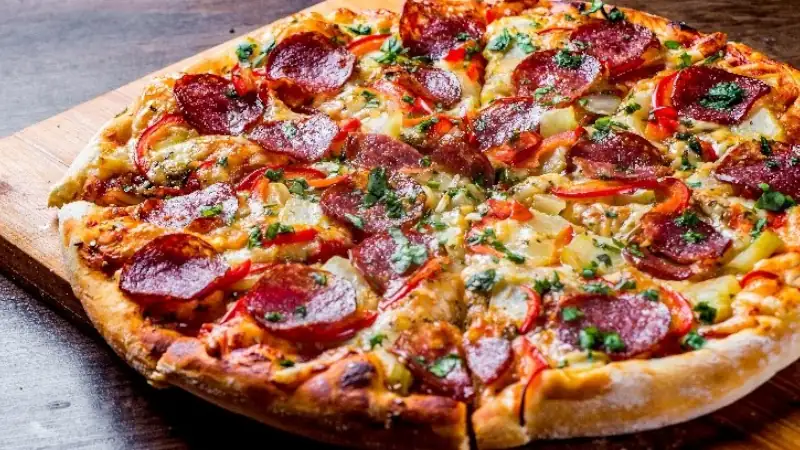
3. Pizza
What was once considered a foreign Italian or “gringo” food has become deeply embedded in the fabric of Panamanian takeout and party culture.
Pizza is everywhere… from Domino’s and Papa John’s to homegrown pizzerias that serve slices with local twists like ropa vieja (shredded beef), chorizo tableño (smoked pork sausage), or even tajadas (slices of fried plantains) on top. You can also find several pizzerias run by Italians trying to stick to the traditional preparation methods of this dish.
4. Shawarma And Middle Eastern Cuisine
The Lebanese and Palestinian communities in Panama have contributed significantly to the culinary scene, most notably through shawarma. What began as a dish served in Arab-owned restaurants has become a late-night staple for partygoers and street food lovers across the country.
Panamanian shawarma often features seasoned chicken or beef wrapped in pita with garlic sauce, pickled vegetables, and spicy sauces. Some local vendors even offer a Caribbean twist by adding hot sauce, plantains, or coleslaw. You’ll find shawarma trucks lined up outside clubs in Casco Viejo and university campuses.
Tabbouleh, hummus, and falafel are also increasingly familiar to the average Panamanian, often served as part of casual lunches or mezze-style meals at home.
5. Mexican Cuisine
While Central America has its own native corn-based dishes, the Mexican versions like tacos, burritos, and quesadillas have exploded in popularity, especially in urban areas. Taco bars and casual Mexican eateries now rival burger joints for the attention of younger diners.
What’s notable is how Panamanians have localized these dishes. You’ll often find tacos topped with Caribbean-style slaw, chimichurri, or ají chombo (chili peppers). Mexican hot sauces share shelf space with local favorites like La Picon and D’Elidas in most kitchens.
Though still considered a bit more upscale, sushi has found a solid footing in Panama’s dining landscape. What started as a high-end or niche experience has filtered down to more casual chains and supermarket offerings.
Of course, many of the rolls are adapted to local palates. Expect to find rolls filled with cooked shrimp, cream cheese, plantain, or fried fish, often topped with sweet sauces. Sashimi and nigiri remain less common, but “Panama-style sushi” is popular enough to feature at office lunches, birthday dinners, and even catered events.
Start Your New Life Overseas Today!
Sign up for our free daily e-letter, Overseas Opportunity Letter, and we'll send you a FREE report on the 12 Best Places To Retire Overseas In 2026.
We Value Your Privacy! We will not share your email address with anyone else, period.
7. Arepas And Venezuelan/Colombian Influences
Due to significant migration from Venezuela and Colombia, dishes like arepas (cornmeal cakes), empanadas venezolanas (cornmeal pastries), and bandeja paisa (a loaded platter of meats and sides) are now part of Panama’s daily dining culture. Arepa stands and small home-run operations are now common, particularly in Panama City.
The endless debate is which arepa is the best: Venezuelan or Colombian? I think they’re both enjoyable and worth eating.
While some Panamanians still see these dishes as “foreign,” many now enjoy them regularly, especially at breakfast or as street food. Some locals even mix and match, serving arepas with Panamanian-style chorizo or queso blanco (white cheese).
8. French Bread And European-Style Baked Goods
The humble baguette has quietly become a staple in Panamanian kitchens, found in every corner store and supermarket. Known locally as “pan francés,” it’s used for sandwiches, toast, or just as a side with butter and coffee.
European-style pastries like croissants, éclairs, and quiches have also gained ground thanks to a rise in artisanal bakeries across Panama City and beach towns like Coronado and Boquete. Many of these bakeries are run by European expats or Panamanians trained abroad.
A Melting Pot Of Cultures And Cuisines
The food culture in the country is a mirror of its diverse population, open economy, and constant merging of people and ideas. In some countries, foreign dishes often remain niche or elite, but in Panama, we adopt and adapt global flavors into our everyday lives.
Catch me eating arepas for breakfast, tacos for lunch, snacking on toasted French bread, going to dim sum on a Sunday… as well as enjoying some hojaldres (fried dough) with stewed sausages, rice, beans, and meat, and drinking chicheme (a traditional, sweet, corn-based beverage). All in the span of the same week.
For anyone moving abroad, an area’s walkability is more than a nice perk. It is now—more than ever—an important factor in choosing where to live.
When you can walk to a café in the morning, go to a nearby grocery store, and meet friends for dinner nearby, all without a car, or just enjoy daily life on foot, it can exponentially change how a place feels.
For retirees, walkability means greater independence, especially over the long term. For younger families and remote workers, it can creat
For anyone moving abroad, an area’s walkability is more than a nice perk. It is now—more than ever—an important factor in choosing where to live.
When you can walk to a café in the morning, go to a nearby grocery store, and meet friends for dinner nearby, all without a car, or just enjoy daily life on foot, it can exponentially change how a place feels.
For retirees, walkability means greater independence, especially over the long term. For younger families and remote workers, it can create a strong sense of community and healthier day-to-day life.
Panama remains a mostly car-dependent country, and you’ll need to consider your daily routines and needs. In many cases, sidewalks are not available or properly built, making it difficult for someone with mobility issues or families with strollers to use them. The humidity and heat in most of Panama can make you detest walking, and some communities that at first may appear walkable are actually very spread out.
All this said, Panama still has several areas where you can (mostly) manage without a car.
These are some of the best walkable communities in Panama for expats that seek convenience, closeness, and a small-town feel…
A fan favorite among locals and expats, El Cangrejo is located in the heart of Panama City. This is a neighborhood for those who want to access the city’s conveniences without feeling trapped in a corporate environment.
This area has tree-lined streets, mostly mid-rise apartment buildings, cafés, bakeries, and small shops… giving the opportunity for residents to walk naturally. Most of the capital is car-oriented, but El Cangrejo prioritizes the pedestrian. Sidewalks are continuous and spacious, daily necessities are close together, and the density creates a vivid and active environment.
In El Cangrejo you will find pharmacies, gyms, coffee shops, convenience stores, restaurants, bars, salons, pet stores, clinics, and more all just in the same street or a few blocks from each other. By living here, you also have close access to the Metro system, which makes it possible to easily move around different parts of the city without driving.
The social aspect of the neighborhood is a big draw for people. It blends local Panamanian life with an international feel… you can notice by walking around that there is an interesting mix of cultures and lifestyles. Remote workers will enjoy the reliable internet, endless options for co-working settings, and easy access to services, compared to other popular but isolated destinations.
While living in El Cangrejo has plenty of pros, cons do exist. When you do want to use a car, traffic congestion can be intense. Noise levels can vary by street, but overall, it can be a noisy area. It’s still in Panama City, so walking can become difficult when it rains or humidity makes being outside unbearable.
Even with the tradeoffs, expats seeking a city lifestyle where having a car can be optional instead of necessary will find that El Cangrejo is a strong contender for where to set base.
It’s home to some 25,000 people, over a fifth of whom are expats primarily from the U.S. and Canada, but a good number of Europeans, too. Living here you’ll never want for English-speaking company.
Boquete has a cooler climate than most regions of Panama, and this changes the walkability game immensely. Its springlike temperatures make walking a truly pleasant experience throughout most of the days, most of the year. Residents in town can stroll between cafés, restaurants, markets, and small shops while enjoying the surrounding mountains views and greenery.
Downtown Boquete is relatively small, allowing to run daily errands on foot. You can find restaurants, pharmacies, banks, grocery stores, and local markets concentrated within a manageable walking distance. The town regularly hosts farmers markets and community events that also encourage pedestrian activity and social interaction.
Boquete is perhaps the world’s best-known expat haven. The social component of life in Boquete has a big part in that. Residents are part of clubs, volunteer organizations, language exchanges, hiking groups, and more… and all these activities create opportunities to remain social without having to travel far.
This is an outdoor enthusiast paradise. Besides walking to get around daily life, walking here is also recreation. You can enjoy hiking trails, riverside paths, and mountain excursions, something that can’t be replicated in urban communities.
Boquete has its limitations. Downtown might be manageable on foot, but many homes and neighborhoods, especially those popular with expats, are located in the hills that surround the town. These are steep areas and can be all the way from 10 to 30 minutes away by car.
The large influx of expats and tourists have also risen prices. Boquete is no longer an ultra-cheap mountain destination, and housing prices have increased along with its popularity. Compared to prices in North America, it’s still a bargain for the lifestyle that it provides. Expats who are established here feel strongly that the quality of life, climate, and community justifies the higher costs.
If you’re someone seeking nature, comfort, and social connection, Boquete is one of the most appealing walkable communities in Panama.
Start Your New Life Overseas Today!
Sign up for our free daily e-letter, Overseas Opportunity Letter, and we'll send you a FREE report on the 12 Best Places To Retire Overseas In 2026.
We Value Your Privacy! We will not share your email address with anyone else, period.
Found in the Azuero Peninsula, this town has evolved over the past decade from a quiet fishing town into one of Panama’s best lifestyle destinations. Even though it’s growing in popularity, the town has preserved its laid-back character and small community feel.
When you enter Pedasí, the highway becomes the main street. It’s lined with row houses not typically found in Panama making for a tranquil, beautiful, and rather unique town.
Pedasi’s walkability comes from its compact scale. This is not a town built around gated communities and highways. The town center has a traditional plaza at its center, with restaurants, cafés, bakeries, small grocery stores, and local businesses located within a relatively short distance of one another.
You come here for a slow-paced life. Residents will walk or bike through town, and gather in the cafés, restaurants, and bars. You may even see some locals still traveling by horseback from time to time.
Another attractive feature of Pedasí beyond walkability is the beaches, of course. Surfing, fishing, whale watching, and island excursions are some of the activities that shape how you live here.
The social environment of Pedasí is more intimate and community oriented. You will start recognizing faces quickly and relationships can develop naturally because of shared routines and local events.
But while the center of town is walkable, some beaches and residential areas still require a vehicle. This is also a place where health care access is more limited than in the city or a town like Boquete. There is a small regional public hospital, but for major care you need to return to Chitré, or, better, to the private hospitals in Panama City. You could also drive to David in Chiriquí and receive care in one of the private hospitals there like Hospital Chiriquí or Centro Médico Mae Lewis.
Pedasí is a treasure in the raw for those who have fantasies of living on a tropical beach and can deal with the lack of infrastructure. The price you pay for seclusion and perfection is that it has not yet been entirely dragged into the 21st century.
But it seems that it is the carefree, tranquil life what most people love about living here.

 Login