❌

Reading view

A Look Inside A Luxe Home In The World’s #1 Expat Haven

As a reader of these dispatches, you’ll likely have heard of Boquete.

In 2010, the AARP named it the world’s top retirement haven.

By that time, I’d been showcasing Boquete’s charms for more than a decade.

However, I wasn’t the first to recognize the potential of this hidden valley. First was a fellow retire overseas pioneer.

Sam Taliaferro was an American entrepreneur searching for a new and better life overseas. He had a clear vision of the paradise he sought.

Sam wanted to restart his life somewhere beautiful and serene… peaceful and safe…

Somewhere offering broad vistas and wide-open spaces… that was supported by a welcoming community… and backed by top-notch infrastructure and world-class health care.

Yes, Sam wanted it all.

And he found it in Boquete.

Sam reached out to me just after he’d identified this remarkable spot he believed could deliver on his ultimate lifestyle. He wanted to share his discovery with others also dreaming of a better life in retirement.

Sam had been introduced to Boquete by his Panamanian bride. She’d enjoyed years of family holidays in this mountain idyll. The beautiful spot was a best-kept secret. No one outside Panama, including me, had ever heard of it.

When Sam toured me around Boquete for the first time, I understood why he was so enthusiastic about his find. This place was special… a hidden gem of wildflower-covered hillsides, waterfalls, creeks, and valleys…

Boquete was Mother Nature at her best and utterly undisturbed.

It was also Panama, meaning long-term stability and safe haven… the best infrastructure and health care in the region, improving all the time… and no currency risk.

However, in truth, Sam and I both were a bit forward-thinking in our original recommendation.

Back in 1999 when I saw Boquete for the first time, it was a humble village. It had all the raw materials of the world’s best place to retire… but it was thin on comfort and convenience.

Fast forward to today and Boquete has come of age. It is everything you could ask for in a retirement destination.
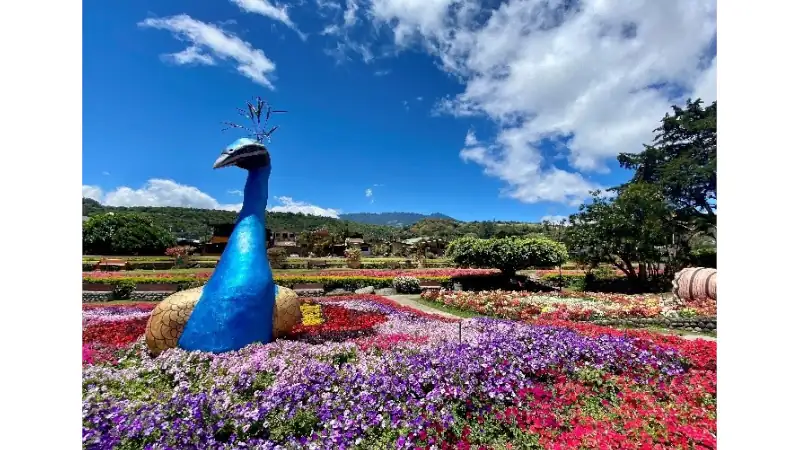
Colorful peacock sculpture surrounded by vibrant flowers in a Boquete garden.

Today Boquete is home to one of the world’s biggest communities of expats and foreign retirees. These are welcoming folks. Living here you’d never want for English-speaking company.

In addition, Boquete offers fresh spring-like weather year-round. Down at sea level, Panama is hot and steamy. Up here in the highlands it’s eternally pleasant… even cool enough some evenings for a fire. Some homes come with fireplaces.

The countryside is lush and green in this land of rainbows…
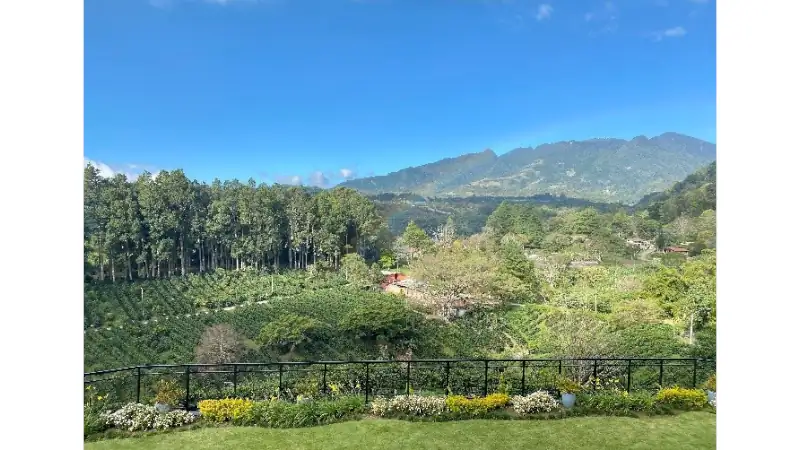
Scenic view of Boquete’s green coffee-growing landscape and surrounding mountains.

And the cost of living is low… remarkably low given the lifestyle on offer…

For life here today is fully appointed. Boquete village boasts restaurants of nearly every nationality, nightlife, massage studios, beauty salons… along with grocery stores and medical clinics…

This region also produces some of the best coffee on earth, including the famous geisha bean, grown in beautiful fields all around.
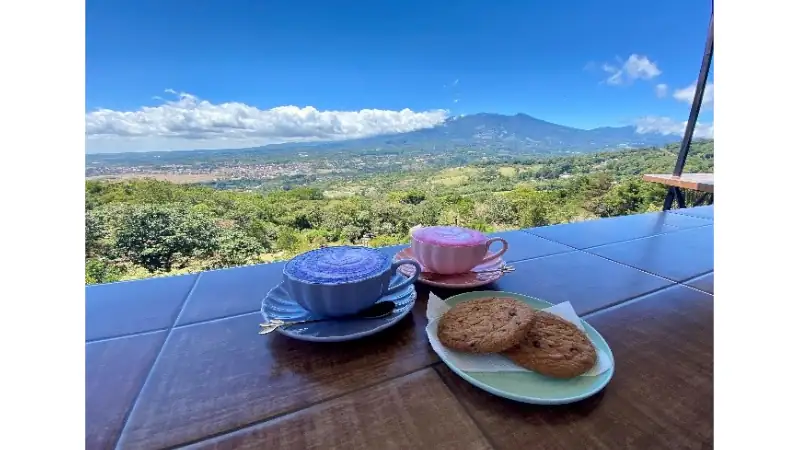
Colorful peacock sculpture surrounded by vibrant flowers in a Boquete garden.

It’s a nature-lover’s dream and an outdoorsman’s playground. You could spend your days hiking the lush highlands, rafting on the river, spotting wildlife, fishing…

Plus, you’re only around 30 minutes from David, Panama’s second-largest city, where you’ll find everything you’d expect to find in a large city back home.

You’re also just 50 minutes from the Pacific coast and its beaches.

Start Your New Life Overseas Today!
Sign up for our free daily e-letter, Overseas Opportunity Letter, and we'll send you a FREE report on the 12 Best Places To Retire Overseas In 2026.
We Value Your Privacy! We will not share your email address with anyone else, period.


Boquete has grown up to offer everything you could want for your retirement lifestyle…

With one glaring exception.

Quality housing has been very hard to come by… and luxury housing has been non-existent…

Until now.

In this tranquil paradise, a luxury-standard project, boasting a slew of five-star amenities, by Panama’s most respected and established developer is well underway. I sent my real estate scout Sophia Titley there recently to check on progress…
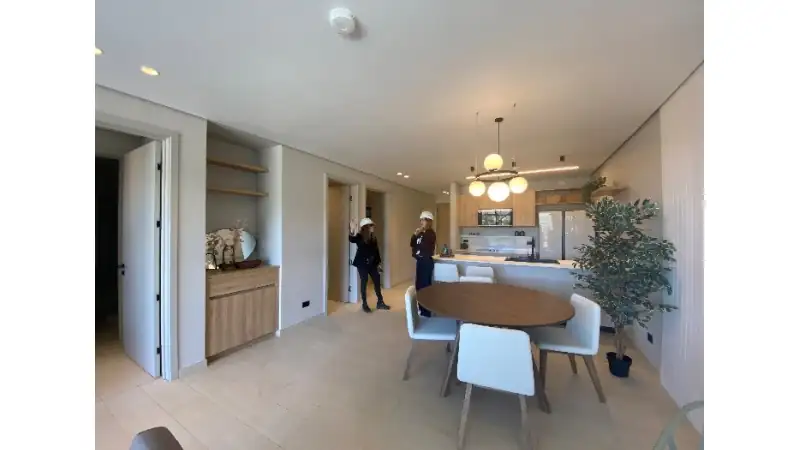
Bright, modern interior with an open kitchen and dining area overlooking the Boquete landscape.

Thanks to our decades-long personal relationship with the developer, we’ve been able to negotiate for Live And Invest Overseas readers to have their pick of the best inventory every step of the way. Phase I has already opened its doors, celebrating its grand opening just last week.

Now, we’ve secured access to the newest phase of the resort, giving you the chance to get in before the full vision is built out.

And that’s not all…

We’ve arranged for a massive discount of up to $12k for my readers… along with a VIP invitation to visit in person.

To gain access to all the details, you need to join us next week, on Wednesday, Sept. 30, at 11 a.m. ET, for our Ultimate Retirement Haven Spotlight Event when America’s #1 overseas property expert Lief Simon, together with our contact on the ground in Panama, will walk you through this one-of-a-kind opportunity.

Simply click here to register at no cost and obligation free.

Until next time,

Kathleen Peddicord Signature

The post A Look Inside A Luxe Home In The World’s #1 Expat Haven appeared first on Live and Invest Overseas.


  •  

Toronto To Torio: How This Couple Built A New Home In Panama

The Azuero Peninsula is mostly known for its beaches and its carnaval celebrations in Las Tablas.

The east coast is pretty popular amongst locals and expats… But if you ask a Panamanian if they’ve ever heard of Torio on the west coast of Veraguas, the answer will probably be no.

Despite this, the west coast of Veraguas is slowly becoming known to expats from all over the world and from different walks of life, including Ralph and Nataliya… a Canadian couple who traded the long, cold winters and hustle and bustle of life up north to live out a dream.

They now own the only luxury hotel in Torio—The Casa Blanca Inn.

This is their story…

Geraldine Gonzalez: What brought you to this part of Panama?

Ralph: I actually discovered it by accident…

My parents were turning the age of retirement, and they went to Florida and didn’t like it. I Googled it, and Panama came up as one of the top three retirement destinations in the world.

It was the closest of the options to Toronto and had direct flights. Plus, it had the U.S. dollar, security, economy, and all the other pluses that Panama has going for it.

So I planned a trip with my parents for a 15-day relocation tour with a rental car, GPS, and an itinerary with five stops from Pedasí to Volcán and Boquete… all over.

Torio was not on the schedule, but we had to stop in Santiago for two days on our way to Boquete. I looked at the GPS, saw the ocean, and decided to take a drive…

This part of Panama is beautiful for its ocean sunsets. I fell in love with it but continued the itinerary.

When I asked why Torio wasn’t part of the itinerary, I was told that it wasn’t developed and there was nothing to see there.

But on the contrary, I saw it as a good opportunity to come to this area because when it’s less developed, the price is better than other areas, and it also gives you the opportunity to do business because there’s less competition.

I saw there were a lot of hostels and small places to stay but nothing when it came to luxury, so I saw that as my opening.

My parents didn’t end up moving to Panama, but I did. I bought a piece of property for my luxury hotel.

Geraldine: Has language been a problem for you?

Ralph: I’m still learning. Ninety-nine percent of the Panamanians that come to the hotel speak English, and they always want to practice. Though I want to practice my Spanish, I always put my guests first. My 10-year-old son goes to the local school and is learning Spanish, so he’s my teacher.

Geraldine: Where’s this area headed?

Ralph: A new gas station opened in Torio a few months ago, and there are plans for a new grocery store.

As those things develop, it’ll have a snowfall effect. More people will come, more amenities will come, and in the long term, it’ll be better for everybody.

There’s talk about a pharmacy and clinic, maybe coming next year. Ever since the new road went through, a lot of things have been improving.

We had fiber optic internet, but it wasn’t really fast. Last week, I heard that there’s going to be a new high-speed fiber optic system.

Everything is being upgraded.

When we first moved here, there wasn’t any internet. Now the internet has enabled a younger demographic who can work remotely to come down.

Geraldine: When you’re not busy running the hotel, what activities do you enjoy doing here?

Nataliya: Because we have the space, the restaurant, and the dining capacity, we have events. We do private events (anniversaries, birthdays, etc., can be booked here).

But on our own, we do fundraising about once a month. We have an all-day breakfast event where we donate a portion of the money to the Spay Neuter Clinic.

We’re also working on doing a yoga and health retreat where we offer organic, natural teas, cleaning dietary foods and programs and educate people about the benefits of eating natural local fruits and vegetables.

Back in Canada, Ralph had a greenhouse business, so we’ve brought some of those ideas over here. We’ve spent the last 7 years planting over 300 different fruit trees that have many therapeutic benefits.

We also do a free finca tour of our property with trees and a greenhouse. We even have a desert rose bonsai greenhouse.

Geraldine: What do you dislike about living here?

Ralph: Everybody has their individual likes and dislikes.

For me, I wouldn’t say that I dislike it, but I think it would be better if there were a little bit more people in the area.

When it’s a small-town community, people tend to get into each other’s business, and there’s gossip involved.

But when there’s a certain level of population, there’s no time for miniscule things like that because there are just too many things to do.

Also, when there’s a bigger population, you have a more diverse selection of restaurants, grocery stores, and amenities.

Right now, the population is a bit small, and we don’t have these amenities yet. But I can see that already starting to change…

Start Your New Life Overseas Today!
Sign up for our free daily e-letter, Overseas Opportunity Letter, and we'll send you a FREE report on the 12 Best Places To Retire Overseas In 2026.
We Value Your Privacy! We will not share your email address with anyone else, period.


Geraldine: Have you experienced any type of crime in your time here?

Nataliya: There is small, petty theft, but personally, we have many people that work for us in construction and workers around us all the time… our gate is unlocked, and nobody ever takes anything.

But we attribute that to the fact that we don’t have a superiority complex. I hate to say this, but there are some foreigners that come here and show that complex like they’re better than everyone else, and treat people badly… that’s just asking for trouble.

You have to treat everyone the same, with the same level of respect. The locals and the foreigners, they like us, and if it comes down to stealing, they’re not going to take anything from us because we treat everyone with respect.

Geraldine: What are your favorite things about living here?

Ralph and Nataliya: Nature, quietness, clean air, ocean breeze… the community overall is very nice; the Panamanians and the expats alike are very friendly.

And it’s safe… the first few nights I didn’t sleep too well because I didn’t know how secure the area was, but after a while, I realized it’s safer in Torio than in Toronto and felt totally at ease.

We’ve created what feels like family with the people around us. Our maids have kids, and we’re always giving them homemade baking, leftovers, or whatever our son is not using… decent clothes, decent toys, and good food.

We just tend to share with everybody, and that’s reciprocated. We have a maid who knew that Ralph liked traditional Panamanian corn tortillas, so she made them from scratch and brought them.

We didn’t expect it… it gives us a feeling of unity, like a big family.

Sincerely,

geraldine gonzalez panama leter signature with link

The post Toronto To Torio: How This Couple Built A New Home In Panama appeared first on Live and Invest Overseas.
  •  

Discover The “Other” South Of France—Without The Riviera Price

I recently sat down with Dennelle Taylor Nizoux, an American expat who has been living in Montpellier for 15 years now.

One of the fastest-growing cities in France, particularly in southern France, Montpellier is becoming an increasingly popular option for foreigners looking for a new life in France.

This university city offers a superb, laid-back lifestyle, culture, great connectivity, year-round sunshine, and mild seasons—without the big price tag of places like Nice or Paris.

Dennelle founded Renestance real estate services in 2015, and has since helped countless international buyers navigate the French property market and get settled in the region.

I was eager for her to share her insider knowledge: what it’s really like to buy here, what surprises people, what ideal costs look like, who really belongs in Montpellier—and who doesn’t…

Kat: Let’s start with your story—how did you end up in Montpellier?

Dennelle: I was a student in Provence in college, so I got to know a little bit of the south of France and the Mediterranean area.

It never really felt like home to me, so I kind of wrote off the Mediterranean part of the south of France.

Later, my U.S. company transferred me to Paris, and I lived there for 10 years and met my French husband, who is from Normandy.

By coincidence, his best friend from Normandy moved to Montpellier in 2001. We would take the train down to visit him, and he and his wife had their first baby the same year we had ours.

We kept going down to visit them, and every time we had to take the TGV back to Paris, it just got harder and harder to leave Montpellier.

The more we saw of Montpellier, the more we liked the vibe. It’s low-key, easygoing, open-minded, and has an indoor-outdoor lifestyle. I was born and raised in Southern California, and it felt a bit like home.

We were living the grind in Paris with two small children, doing the métro, boulot, dodo (metro, work, sleep), as they say. It felt like living to work, whereas our friends in Montpellier got off work at 5 p.m., grabbed the kids, a bottle of rosé, and headed to the beach to enjoy life.

I thought, “This is what I want.”

We moved down here in 2010 with our kids, who are grown now.

Kat: For somebody who’s never been to Montpellier, how would you describe it as a city for living?

Dennelle: It ticks a lot of boxes.

It’s walkable; you don’t need to get in the car for everything. We’ve got five tram lines that are free for residents.

It’s also near the beach—only about 10 kilometers (6 miles) away.

There’s lots of hiking and easy access to nature. Within 20 or 30 minutes of downtown, you could be hiking in the hills or mountains.

It’s also a very young, dynamic city because of the universities, and that brings a lot of culture.

We have a lot of artists and writers, and anybody who’s attracted to the arts can usually find what they’re looking for in Montpellier. We even have two opera houses.

It’s a very well-rounded city, but also, as they say in French, à taille humaine—human scale. It’s still manageable. I think it’s around 500,000 people now, including the metropolitan area. So it doesn’t feel too big, but it still has everything you might be looking for.

Kat: Right, as a university town, would you say that students are the main demographic? Is this also a city where French people tend to retire, or is retirement more concentrated in the villages around Montpellier?

Dennelle: Yes, there’s definitely a population of retirees here.

During Covid we had a lot of Parisians and French people from colder or less favorable climates come down to Montpellier because they could work remotely. There have always been people who wanted to retire to the south of France within France, but now we also have more remote workers here.

I think the villages can be attractive to retirees, particularly areas outside Montpellier—more countryside locations around places like Béziers.

You can get more for your money, and you’re not reliant on the job market.

Kat: You’ve experienced different parts of France, and I’m curious about your husband’s perspective since he’s from Normandy. Was there ever a pull to go north instead of south?

Obviously, the weather is the biggest difference, but aside from that was that ever a debate between the two of you?

Dennelle: He was perfectly fine with the weather in Paris—it was similar to what he grew up with.

But once we started spending more time in Montpellier, he really saw the appeal of being able to be outside most of the year.

We actually kept our apartment in Paris for probably the first 10 years we were in Montpellier because we weren’t sure if we were going to stay.

But pretty quickly, we both realized that waking up and seeing a blue sky every day changes everything.

Honestly, I think he was probably sold on it faster than I was.

Start Your New Life Overseas Today!
Sign up for our free daily e-letter, Overseas Opportunity Letter, and we'll send you a FREE report on the 12 Best Places To Retire Overseas In 2026.
We Value Your Privacy! We will not share your email address with anyone else, period.


Kat: All right, let’s get into the property market. We’ve talked a bit about the lifestyle and who fits in this city.

You’ve been working in real estate down here for how long now?

Dennelle: Almost a decade now…

I started Renestance as a full-service relocation agency officially in 2015, and then I got my degree in real estate and immobilier in 2017. We’ve been dedicated buyer’s agents since 2017.

Kat: And you’ve been on the ground here for so long, you’ve seen how the market has changed… So, what is the market like right now?

Dennelle: Well, Montpellier has been one of the fastest—if not the fastest—growing cities in France for at least 20 years.

It was already growing quickly when we moved down here.

And, like I said, there was a bump during Covid, when a lot of people came because they could work remotely, so growth has been steady.

In terms of price per square meter, Montpellier is still about half the price of Nice and some of the other destinations in the south of France, while offering many of the same advantages in terms of climate and lifestyle.

It’s also a fantastic travel hub.

Property values have appreciated steadily over time, and with good reason.

Bonne route,

kat kalashian signature

The post Discover The “Other” South Of France—Without The Riviera Price appeared first on Live and Invest Overseas.
  •  

3 Of France’s Best Expat Havens

Paris, France

Paris oozes culture and history, for access to the historical, architectural, and social heart of Western culture, there is simply no better location.

Replete with bookstores, antique shops, wine cellars, pretty parks, well-tended gardens, and old buildings, this city is a treat for all the senses. You’d be hard pressed to find more history, culture, and character per square meter anywhere else in the world.

Paris is enjoyable in all seasons and any weather. What difference if it’s raining or dry, January frigid or August hot, when you can retreat on a whim to a café for an espresso or verre de vin? Sidewalk heaters mean you can sit outside at your favorite spot and enjoy the passing show year-round.

More practically speaking, Paris is also the epitome of convenience. A visit to the bank, to the dry cleaners, to the greengrocer, the cobbler, the hardware store, all of these shops and services and, really, any other you could name or need will be found within a 15-minute walk of your home. In central Paris, you don’t have to go far for anything…

Paris is an expensive city… that’s a fact. Property prices both for owning and renting are sky high for very little space.

But Paris can be more affordable than most people imagine…

Many fringe costs are much lower than in the United States, electricity and gas, for example, are much cheaper in France. Internet, cable, and phone packages are likewise cheap—less than half the cost of current Comcast rates. Excellent food is produced locally and is reasonably priced—that cheese you paid a premium for as an import in the States is just the local brand here.

Your essential costs can be reasonable, but there is a limitless supply of non-essential expenses that may be hard to resist! Perhaps the one indulgence that is highly affordable is wine—a good bottle can be had easily for less than €8, if you’re really pinching pennies, you can find not-so-good bottles for under a couple of euro.

Senior discounts are not as common as student or youth discounts in France. Nevertheless, there are notable rate reductions on the SNCF trains (generally about 25% off or more with a Senior Card) and some museums offer discounts for over 60s.

The health care in France is arguably the best in the world and, if you’re a member of French Social Security (that is, you’re paying into the system), most of the cost of this extraordinary health care is covered. Living in Paris, you’ll have access to the best medical care in the country.

Paris offers the best of both worlds for expat residents in France: The ability to toggle between an Anglophone home-away-from-home and la vrai (the true) France. Aside from the sheer numbers, the organization of the expat community is impressive. Few foreign cities have as strong and as established an Anglophone expat community as Paris.

Gascony, France

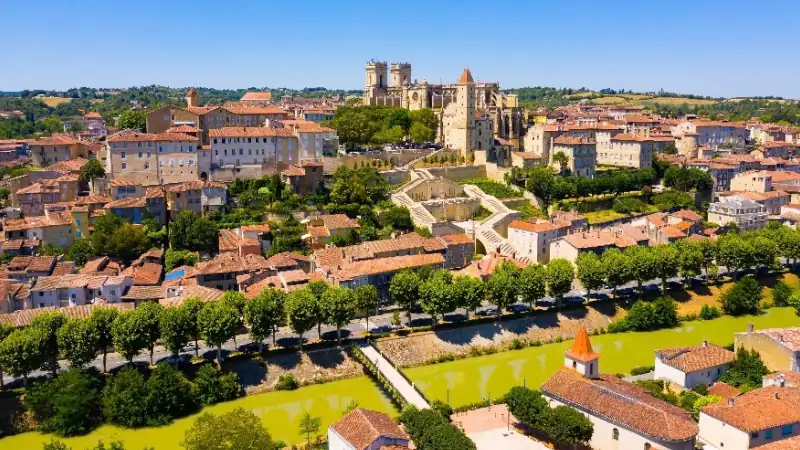
Nestled in the sedate southwestern corner of France, between Bordeaux and the Pyrenees, this peaceful region is one of the least known destinations in France.

The picturesque villages, many of which have earned the title of Le Plus Belles Villes de France (the prettiest towns of France), resemble those of fairytales.

Some of our favorite towns here include Fourcès, known for its weekly produce market and annual flower fair… Lupiac, hometown of the legendary d’Artagnan of the Musketeers… La Romieu, said to have been saved from the plague by a young girl’s illegal cat, now reveres felines for this reason…

Lectoure, one of the larger towns offering shopping, restaurants, and art galleries… and Auch, the department’s capital, more cosmopolitan and the closest thing to a city in the region…

Aerial view of a historic town in Gascony, France, featuring medieval architecture, red-tiled rooftops, and a tree-lined river.

This part of France can be easily affordable, especially if you live like a local and make use of the local markets, which sell affordable local goods and produce. A monthly budget of $2,000 will suffice here.

Gascony gets four distinct seasons, including cool, wet winters and warm, relatively wet summers. Mild Atlantic winds have a nullifying effect on the temperature, so extremes are rare. That said, you may see a bit of snow here during winter—about three or four days per year.

You’ll need to learn French to live here and integrate well, but because the country has been welcoming British, Irish, and Dutch tourists for so long, many in the service industry of cities or larger towns speak some English.

Gascony is a sprawling region encompassing several towns and villages of different sizes… You’d be perfectly safe in any of these. It’s highly unlikely that crime would affect your life living in Gascony.

Start Your New Life Overseas Today!
Sign up for our free daily e-letter, Overseas Opportunity Letter, and we'll send you a FREE report on the 12 Best Places To Retire Overseas In 2026.
We Value Your Privacy! We will not share your email address with anyone else, period.


La Rochelle

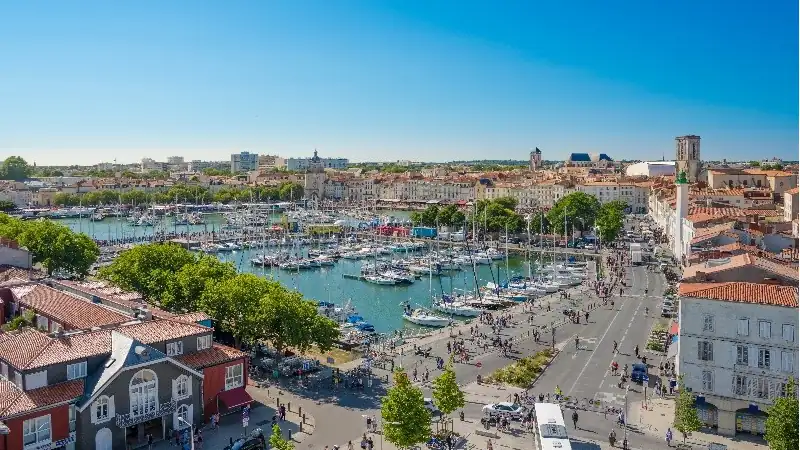
La Rochelle is a medieval port town in southwestern France, just north of Bordeaux and about a three-hour train ride from Paris. A favorite holiday spot for the French, it’s said to have the third-highest quality of life in France.

Known for seafood and sunny weather, day-to-day life here is vibrant and active. The beaches are a major draw, offering boating, fishing, and even surfing. Most days see folks of all ages enjoying the salty sea air—grocery shopping at the historic market, playing cards or board games in the park, taking a bike ride, hitting the beach, or simply enjoying a crisp glass of local white wine next to the harbor. Oysters are the first (and often second and third) item on every menu.

The town is completely accessible by foot or bike, and much of the historical center is pedestrianized. Bike lanes and buses crisscross the city, and boats, buses, and trains take you to any place near or far, making a car unnecessary for most residents.

This laid-back city offers a wealth of history, an active arts scene, and fabulous shopping prospects, and it’s not an expensive place to live. A monthly budget of $2,500 to $3,000 will suffice here… but keep in mind, this is a top-tier city that was rated the third-best in France for quality of life. It’s a coastal city with mild weather, meaning you’ll always be close to the sea…

Panoramic view of La Rochelle’s Old Port, featuring a marina filled with sailboats, historic buildings, and a lively waterfront.

Rent, variable by location and property size, ranges from $850 to $1,600 per month. Dining out at French restaurants serving fresh seafood can run you $40 to $75 for two. Groceries, including fresh produce, are fantastically affordable.

Two things that will come cheaper in France than the U.S. or Canada are transportation and health care. Both are well-organized with solid infrastructure and come at almost negligible costs.

Sincerely, 
The Editors Of Live And Invest Overseas

The post 3 Of France’s Best Expat Havens appeared first on Live and Invest Overseas.
  •  

A Jet-Setter’s Playground On The Parisian Riviera

Deauville, known as the Parisian Riviera and the “Saint-Tropez Normande,” is one of the most famous getaways from Paris…

Located on Normandy’s Côte Fleurie (Flowered Coast), and the closest beach to France’s capital at just two hours away by car or train, Deauville has long drawn the most distinguished and flashiest of European society from France’s capital…

Josephine Baker walked her pet cheetah down Deauville’s beach promenade…

She spent time there with one of my favorite artists, French-Dutch painter Kees van Dongen, who lived there with his son and said the town “fit him like a glove.”

The late Queen Elizabeth II was allowed to drive her car down the planks of the same boardwalk, where vehicles are ordinarily strictly forbidden.

It inspired Ian Fleming’s “Casino Royale”…

Tom and Daisy honeymooned here in “The Great Gatsby”…

Marcel Proust, Agatha Christie, and Noël Coward all used it as a setting, too…

And it was the birthplace of Coco Chanel’s career in clothing, she even opened her second shop in Deauville.

Thanks to the American Film Festival that has taken place here every year since 1975, the town is just as familiar with more contemporary celebrities… George Clooney, Matt Damon, and Harrison Ford have all spent plenty of time here, along with hosts of other American movie stars.

Yves Saint Laurent had a house here, as does Gérard Depardieu and many other French celebrities, socialites, and politicians.

Needless to say, this town was made for pleasure seeking and being seen…

In fact, that’s literally true.

Boasting the so-called queen of the Normandy beaches, the area was targeted for major development in the 1860s by Napoleon’s brother-in-law. He put in a rail line direct from Paris, and had the casino and hippodrome built (the region was already well-known as prime horse country).

With these investments came grand hotels, upscale restaurants, an enormous casino, famous art galleries, a major spa, and seaside promenade and tables were installed.

By 1910, the town was rich and attracted the rich. Luxury boutiques on every corner, record sales in all industries, yachts in the harbor…

When the airport was built in 1931, the town’s reputation went international.

Nowadays, Deauville is just as much a darling to the wealthy, but it’s within reach of us mere mortals, as well… the train from Paris costs less than €20, and the town has plenty of affordable hotels and Airbnb options for visitors.

Living here, the lifestyle would be laid-back and refined.

All the best shopping that you’d expect in Paris is available here, but also the produce market, where you can join locals in shopping for organic produce, meat, eggs, dairy, and flowers.

The eating out options here are excellent, but not many. This is a small town (population about 3,500), and they mostly cater to tourists with money, so eating out can paint you into a bit of a corner. In the middle of town, you’ll have to fork over to lift a fork… prices are on par with Paris’.

But with great seafood, especially shellfish, and farm-fresh dairy and produce coming in every day, any foodie would be happy here.

One of my favorite autumn dishes in France is poêlée de champignons, pan fried mushrooms, and the one I had here was the best I’ve ever had (prepared with diced foie gras and raspberries).

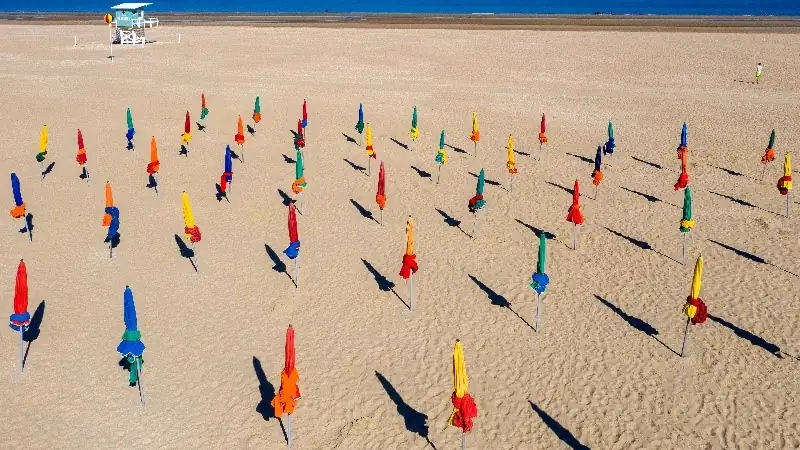
The beach that initially attracted the Napoleonic dynasty is as much a draw as it has ever been, and with good reason. I’ve seen a lot of beaches in my day… and this was possibly the widest beach I’ve ever visited.

Aerial view of colorful closed beach umbrellas spread across a wide sandy beach beside the ocean.

To get from the boardwalk to the sea takes a few minutes’ walk on the beach. It’s famous for its multi-colored umbrellas tied in a specific way in summer.

The beach is packed with sunbathers and swimmers in summer. But in winter when the tourists have gone, the vast beach is practically empty but for a few locals walking dogs and riders exercising their thoroughbreds early in the morning.

In summer, the town brings in not just beach lovers, but also music lovers attending the local jazz festival and boaters visiting for regattas or the local sailing.

In fall, the Paris-Deauville rally brings classic cars to the city, when the streets become overtaken with exquisite vintage autos.

And as I mentioned, this is horse country. The area was long-known for quality horse breeding operations, which led it to be a popular racing town. Deauville is sister cities with Lexington, Kentucky, and Kildare, Ireland, two other global horse centers, with the goal of uniting the cities in their love of thoroughbreds and the horse industry.

The prestigious local studs attract some of the world’s wealthiest and best-known breeders, and the Hippodrome Deauville-La Touques and associated training facility is one of the largest, most famous, and most highly regarded in Europe. Called the “Four Seasons Racetrack,” the track hosts high profile events year-round.

The other local track offers courses for jumping, steeplechase, obstacle courses, and trotting courses—the only multidisciplinary course in Normandy.

Start Your New Life Overseas Today!
Sign up for our free daily e-letter, Overseas Opportunity Letter, and we'll send you a FREE report on the 12 Best Places To Retire Overseas In 2026.
We Value Your Privacy! We will not share your email address with anyone else, period.


It’s a family-friendly track, offering just as many amenities to the not-so-horse-minded visitor, including an exhibition space, many restaurants and bars, free daycare, pony and donkey rides for kids, carriage and mini-car rentals, and more. Clairefontaine track also hosts theme days, good fun for all.

The local polo club is a hub for entertainment and networking, as well, with tennis and polo matches held year-round.

While the French aren’t avid golfers, there are several golf courses here, all of them very well acclaimed—even a mini-golf course next to the beach.

The main local museum, Les Franciscaines, converted from a former convent, is more a community center than traditional museum, and it’s a hub for local families. Part library, lounge, education center, games venue, kitchen, and much more, it’s always busy with folks of all ages enjoying all it has to offer.

The attached café has a few options for snacks, but the dining room also features cooking appliances of all kinds, that all guests are welcome to use—bring something to toast or microwave and enjoy it in the beautiful atrium.

But despite all the finery and the glitzy events, Deauville somehow manages to feel quaint… not overwhelming or exclusive. Another writer described it as “understated elegance.”

A cute local tradition has most houses ornamenting their rooves with small clay animals, sometimes posed in vignettes: a cat chasing pigeons away, an owl eyeing a mouse.

The Hotel Barrière, the grand hotel that dominates a main square near the beach has a many-gabled roof covered in not just animals, but mermaids, jockeys, and more.

While it’s not very well known to North Americans, Deauville is a wonderful option for a new life in Normandy, offering all the chic and convenience of Paris with a small-town feel.

Bonne route,

kat kalashian signature

The post A Jet-Setter’s Playground On The Parisian Riviera appeared first on Live and Invest Overseas.
  •  

Where To Find The Best Overall Quality Of Life On Earth

France is a country of superlatives, from the world’s best food and wine, art and fashion to the most beautiful, most romantic city and best overall quality of life on Earth. Most people want to live in France.

France is tops in more practical ways, as well. The country boasts the world’s best health care and some of the most developed infrastructure anywhere.

Indeed, for many, la vie française is the good life defined, and the best news is that it can be more accessible than you might imagine…

Some of the best France has to offer comes free. Picnics in the Luxembourg Gardens, long walks along the Seine, afternoons lost among the cobblestones of the Latin Quarter… these things cost not a sou.

Most museums, including the Louvre and the Musée d’Orsay, forgo admission fees one day a month.

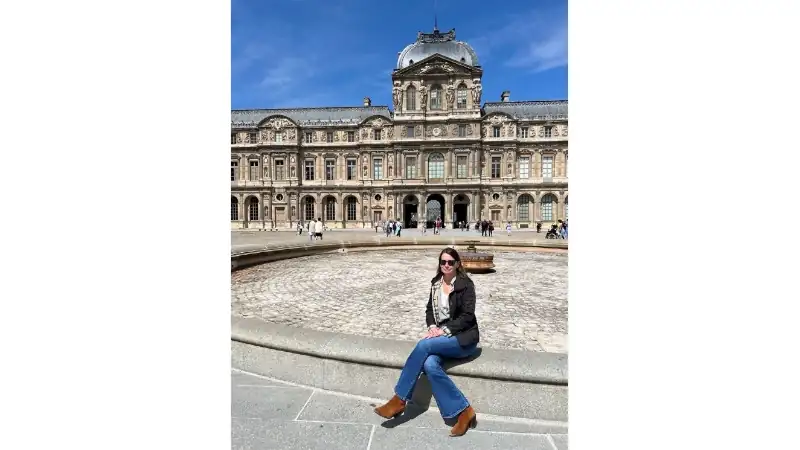
Kathleen Peddicord poses in Paris.

The Metro will transport you from restaurant to nightclub or from museum to café for less than $2, and even the chicest Parisians don’t mind using it for transport around their city.

Paris is a never-ending feast of gallery openings, special performances, exhibitions, and celebrations, many available for little cost. You can join conversation groups, discussion groups, book clubs, and even cooking classes for free. You can enjoy prix-fixe meals for $25 or less, and you can spend hours in a café, seeing and being seen, for the price of but a single café au lait.

The more practical necessities of life don’t come free, but, again, they are more affordable than you might imagine.

France boasts perhaps the world’s best infrastructure, and it’s a bargain. You can purchase a Cable TV, internet, and phone plan for $50 that allows for free calls to anywhere in Europe and North America.

Public transportation (the Metro, the bus, and the RER train system) are likewise likely less costly than comparable services wherever you’re living now.

Plus,France is remarkably geographically diverse, from sophisticated urban centers to quaint rural villages, sparkling beachside towns, and Alpine mountain settings.

You could settle in Occitanie and embrace the best of country life in the south of France. This region boasts historic and romantic cities and towns, varied outdoor recreation opportunities, and more than 300 sunny days a year.

It’s affordable, too, unlike Provence, its more famous counterpart in the south of France.

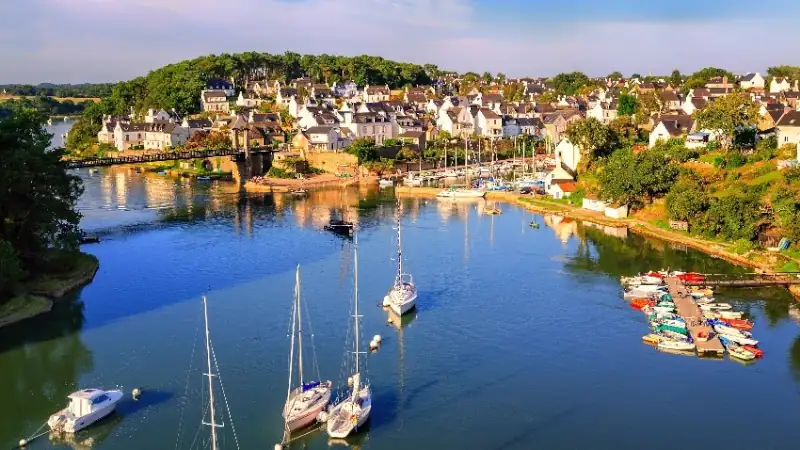
You could try out life in Morbihan, a mostly rural department on the southern coast of Brittany—uncharted land for most non-French tourists and residents.

Life here is centered around the Gulf of Morbihan and its endless corners of coastline worthy of exploration.

Morbihan, Brittany, France.

Morbihan, Brittany, France.

The expat community in Morbihan is small, but if you’re proficient in French, it’s an excellent base for cultured and sophisticated coastal living.

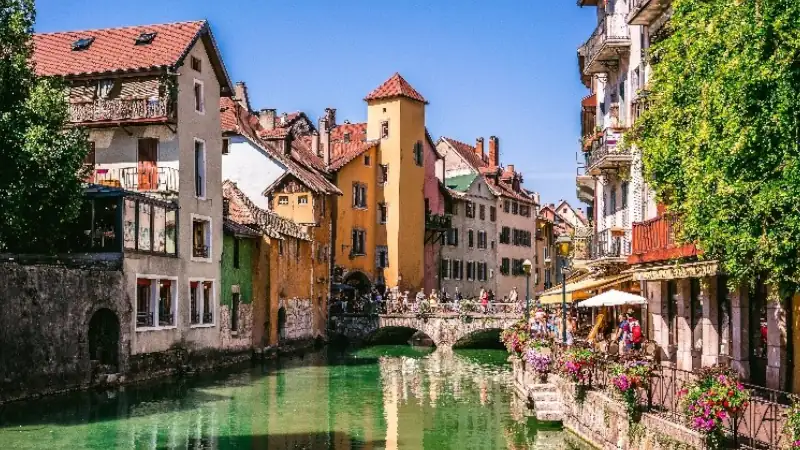
Annecy, a mountain town also known as the Pearl of the French Alps, would make for a phenomenal home base. The centuries-old town is like Disneyland come to life.

Annecy, France.

Annecy, France.

In summer, life revolves around the crystal-blue lake at the city’s center; in winter, the focus is the snowy Alpine peaks all around. Annecy appeals to nature lovers, museum aficionados, foodies, adrenaline junkies, and fashionistas all at the same time.

Or you could call ground zero of refined Western culture your home by setting yourself up in Paris.

With hundreds of museums and galleries, one of the liveliest café cultures and the most-revered cuisine in the world, plus space to breathe in sprawling parks and woodlands, Paris can be the ultimate retire-overseas dream.

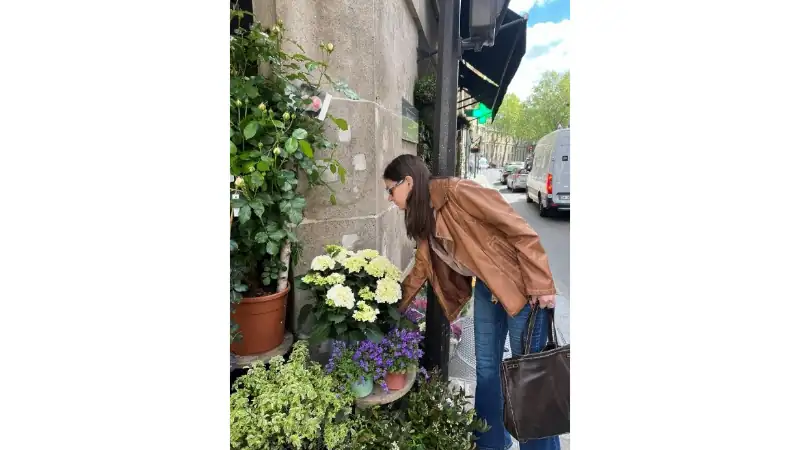
Kathleen exploring a charming Parisian street lined with flowers and greenery.

Life in Paris is filled with simple pleasures…

Learn The Language… Or Not

In parts of France with a heavy tourist presence, including Paris, you can count on finding someone who speaks English, meaning you don’t have to learn to speak French if you don’t want to.

A simple “Parlez-vous anglais?” can carry you a long way, and if you’d like to live in this country but have no interest in learning a new language, Paris—where you can also find English-language news services, bookstores, religious associations, and a large English-speaking expat community—is your best bet.

Outside Paris and in more rural settings, it’s less likely that waiters, shopkeepers, and the tellers in the local bank will speak English, meaning that, to make the most of French country life, you’ll want to make the effort to learn at least conversational French.

World’s Best Public Transportation

As with learning French, whether or not you’ll need to invest in owning a car will be determined by where you settle. The best way to get around Paris is on foot.

When your feet give out, you can get on a bus or the Metro or grab a bicycle.

All of these options are available across the city for the cost of a few euro. Having a car in Paris would be an unnecessary expense.

Living in the south of France, on the other hand, you’d want your own car to be able to take advantage of all that this part of the country has to offer.

France’s domestic road network is well maintained, and you can easily connect to other destinations in Europe along the excellent highway system.

Note that gas prices are higher than in the United States, meaning getting around by car can add significantly to your budget.

Also, note that you can drive in France on your home license for one year only. After that, you’ll need to trade it in for a French one, which will require passing the French driving exam.

France also has well-established train systems that make it easy to travel around the country and beyond throughout Europe. The domestic rail, called SNCF, is easy to navigate, affordable, and fast, and fares are reduced by 25% for senior travelers.

Start Your New Life Overseas Today!
Sign up for our free daily e-letter, Overseas Opportunity Letter, and we'll send you a FREE report on the 12 Best Places To Retire Overseas In 2026.
We Value Your Privacy! We will not share your email address with anyone else, period.


Becoming A Resident Of France

Americans can stay in France for up to 90 days as a tourist. No visa or permit is required, and you can travel beyond France anywhere in the Schengen Zone during this period.

To stay in France beyond the tourist window, you’ll need to prove you can support yourself financially, taking the minimum wage (which varies region to region) as the guiding amount for how much income you’ll need to show to qualify for residency. In addition, you’ll need to show proof of health insurance.

The important thing to understand is that you must begin the residency process from your home country. If you haven’t, you’ll be required to leave France, go back home, then return to France after you’ve obtained the appropriate stamp in your passport.

This process provides you with a one-year, long-stay visa. You can extend that long-stay visa with the local authorities in France, assuming you still meet the requirements. If you do, you’ll be granted a carte de séjour, which is permanent resident status.

Taxes In France

France has a famously complex system of taxation. Residents of France are taxed on worldwide income, while non-residents are taxed on locally earned income only.

While figuring French tax can be complicated, the amount of tax you’re likely to end up paying in total between taxes paid to France and taxes paid to the United States should be roughly the same as what you’re paying in tax now, thanks to the tax treaty in place between the two countries, which eliminates the risk of double taxation.

In addition, in France, you’ll pay taxes to the central government only; there are no state or county taxes. If you’re moving to France as a couple or a family, you’ll be able to take advantage of tax reductions.

Health Care

The health care in France is among the world’s best. Even better, it can be possible to access this top-notch health care free.

That said, you’ll need to show proof of insurance when applying for a long-stay visa and to keep this insurance for the first five years of living in France.

After this, you can apply to take part in the public system. To qualify, you’ll need to be employed in France, self-employed and making the necessary contributions, or of retirement age.

Remember, The French Invented The Word Bureaucracy

Bureaucracy by any other name would still be French. This country loves its red tape, which can cause headaches for newcomers unfamiliar with the system. You’ll need the proper paperwork with the right stamps to get anything done.

Another frustrating aspect to life in France is that this country is not entrepreneur-friendly. This is no place to start a business.

Many expats also complain about the rigid public-school system, taking issue with the very particular way the French educate their children.

Education in France is perhaps the highest quality in the world, but it may not be palatable for kids or parents used to more liberal teaching methods.

Finally, it can be difficult to integrate with the local community. The French have a reputation for being rude. In fact, they’re extremely well-mannered and will respond best if you are, too.

Until next time,

Kathleen Peddicord Signature

The post Where To Find The Best Overall Quality Of Life On Earth appeared first on Live and Invest Overseas.
  •  

Expat Life Lessons

Cordon Bleu pastry chef, Frédéric Hoël, held up two handfuls of dough, one that you could have mistaken for a neatly folded (albeit miniature) sheet in a linen store… the other more closely resembled a half-deflated air mattress that someone tried to fold before it was fully emptied.

“This is good,” he proclaimed, holding the neat stack up high.

“This is bad,” hoisting up the messy pile. “It will not work.” He shook his head darkly.

We giggled nervously and looked around at one another… who among us 12 or so novices had created the failure dough? Who was the phenom? Only time would tell.

Learning as an adult can be hard… humbling, even.

My pastry-making class at the Cordon Bleu here in Paris was a good reminder that no beginner is ever good at anything. And before you become good at something, the learning process is a challenge all itself.

Living overseas, there’s a learning curve that can’t be denied, and it’s compounded by all the other things you have to learn at the same time—as you plan your move you have to learn about residency options, tax consequences, health care and insurance availability…

And then once you arrive you also likely have to learn a new language, how to get around in your new home, become familiar with a new culture, be taught how to properly eat a new cuisine… and so much more that you won’t even guess at before arriving.

Plus, there’s just the simple fact that learning later in life is… uncomfortable, at least, if not more difficult. You’re not used to being “bad” at things once you’re an accomplished adult. You’re not used to being a beginner anymore.

And, frankly, it’s not the best feeling to be the underdog… to always feel like you’re behind, trying to catch up.

But it does pass—as long as you put in a consistent effort—and bit by bit, you realize you are getting better… that you’re no longer the newbie… that you’re becoming more and more comfortable.

This is true of anything new that we start to do routinely, be it a sport, an art form, a cooking technique, a computer program, a new remote control, a new route to work… etc.

I’ve recently adopted a new life motto: Get comfortable being uncomfortable. 

So much of what we don’t like in life is simply discomfort. We become used to our routines, our friends, our home, our favorite foods, our way of life… and once we do, we don’t like to try new things.

Because it wouldn’t be as easy… it would be uncomfortable. (Hence the proverbial comfort zone.)

In the fitness world, this is called “plateauing.” You do the same workout so much that your body no longer sees it as a workout—it’s no longer a challenge, it’s just an everyday activity. Your body takes it in stride and you cease to gain muscle or lose weight, maybe even put some more back on.

To overcome this inevitable pitfall, any good fitness trainer knows you need to change things regularly.

Which doesn’t feel good.

You have to push your body to do something it doesn’t usually do, so it feels awkward, it hurts, it burns, your joints pop, breathing is difficult… and none of that is desirable in itself.

More than anything, though, it’s just uncomfortable. Because a week later, your body is used to it and you don’t feel the way you did that first day.

You’ve become comfortable being uncomfortable.

Moving to Europe will certainly have you uncomfortable plenty of the time—but that’s the whole point of your live-overseas fantasy, isn’t it?

To no longer eat the same foods every day, take the same street home…

Start Your New Life Overseas Today!
Sign up for our free daily e-letter, Overseas Opportunity Letter, and we'll send you a FREE report on the 12 Best Places To Retire Overseas In 2026.
We Value Your Privacy! We will not share your email address with anyone else, period.

What pushed you to make this leap is the excitement of meeting new people, trying new things, and be challenged by a new way of life—to stop living on autopilot.

Moving to Europe, you are as literally as possible getting out of your comfort zone.

So don’t fret that it takes time to adapt and integrate… to figure out exactly which part of town you want to live in… which local delicacy to relish (and which, perhaps, to avoid)…

In the beginning, anything new you do is uncomfortable—including living overseas—you just have to keep at it. (Like me making disastrous croissants…)

I’m not saying that learning can’t be fun and rewarding, it should always be both of those things. But that doesn’t mean it isn’t challenging… and a challenge is by definition uncomfortable.

When it comes to moving to Europe, there’s no shortage of things to learn and be taught, and while it can be uncomfortable, perhaps even overwhelming, there are some things you can do to give yourself a head start, things we talk about here regularly: ask for referrals, do your own research and due diligence, visit in person at all times of year, rent before you buy, etc.

But the ultimate way to streamline the process is to learn in person. If you’re planning a move to Europe, the best thing you can do to educate yourself is to hire a tutor.

To learn from someone who has the time to explain everything in full detail and to whom you can ask all your questions as they arise—or, even better, many someones…

Those who are professional experts in their fields in your new home…

And those who have come before you—expats who have already been through the ringer…

Which is exactly what we deliver and our Live And Invest Conferences and this week’s France Virtual Conference is no exception. It’s happening online this Thursday and Friday, Sept. 24 and 25. You’ll find all the details here.

I’m excited to be connecting with our team of in-country experts to share all that life in this Old World great has to offer.

I’ll be dialing in from my home in Paris. I hope you can join in the fun from wherever in the world you are and look forward to connecting with you online on Thursday.

Bonne route,

kat kalashian signature

The post Expat Life Lessons appeared first on Live and Invest Overseas.
  •  

How To Choose Where To Go

The question we’re considering together in these dispatches isn’t should you improve your circumstances by moving to a new country?

That’s the given.

The question I’m forever trying to help you answer is where in this big beautiful world of ours should you go?

Let’s regroup in that context by considering the world map big picture.

Do you want to live in Asia?

Europe?

The Americas?

The process of elimination becomes important. Your challenge is greatly reduced if you’re able to remove whole portions of the globe from your list.

So let’s break this down…

Asia

Asia boasts a number of the most cost-friendly places anywhere to call home right now. Pockets of Thailand, Vietnam, Malaysia, and the Philippines can be absurdly cheap.

Living on this side of the planet, you’d also have access to some of the world’s most beautiful beaches. Your life would be filled with the exotic, the unexpected, and the adventuresome.

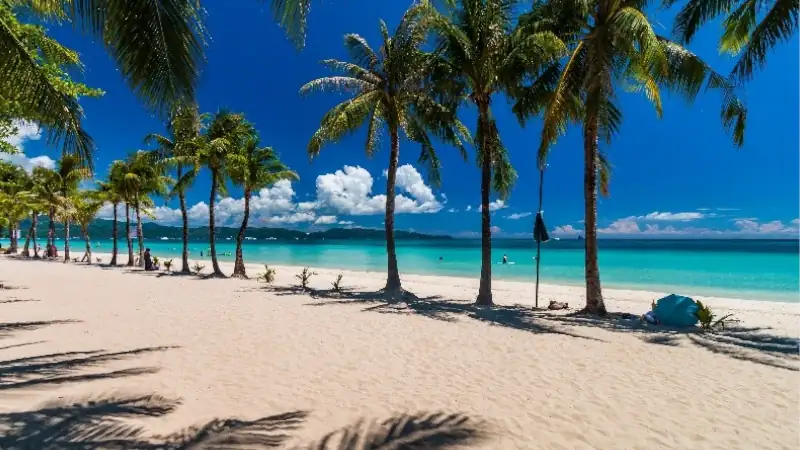
White Beach, Boracay, The Philippines.

White Beach, Boracay, The Philippines.

That is to say, the culture shock would be significant. For some, this reality is thrilling. For others, terrifying.

Used to be that many foreign retirees in Asia didn’t legalize their status. Historically—in some cases because it seemed easier and in others because formal residency programs weren’t an option—expats in this part of the world lived lives built around the border run. They’d leave the country where they were living but not legally resident briefly then return with a renewed tourist visa.

I’ve never recommended the approach. It’s insecure and risky. It can also be costly—paying for all that traveling back and forth across a border—sometimes more costly than the process of establishing legal residency. Definitely, border running comes with a greater hassle factor than I’m up for.

Today the strategy is also not really possible. More and more countries, including across Asia, are cracking down on the practice. The good news is that more countries in Asia now offer formal legal residency options.

The biggest practical downside to choosing Asia is geography. Thailand, Malaysia, Vietnam, etc., are literally on the other side of the world. You’re not hopping back and forth between your new home in Asia and your old one in North America for your grandkids’ birthdays.

It can make sense to approach Asia not as a full-time choice but as part of a retire-overseas plan that allows you to enjoy the benefits of Asia (super cheap and super exotic) part-time.

How about a couple of months in Da Lat, Vietnam, or Chiang Mai, Thailand, where your retirement budget would stretch far indeed, followed by a few months in, say, France?

Europe

Which brings us to Europe. Many who dream of a new life in Europe dismiss it out of hand for fear it’s beyond their budget. This is not necessarily the case.

Sure, a retiree with a modest nest egg might not be able to afford Paris but have you considered southwestern France, where life is quintessentially French but also surprisingly affordable?

We’ll look specifically at your most affordable options across France during our Live And Invest In France Conference taking place later this week. This is a live but virtual event meaning no plane ticket, no luggage, and no jet lag. If Europe is your dream, take a look here now for how to join us online for these two potentially life-changing days.

One of the biggest upsides of Europe compared with other regional new-life-overseas options is the opportunity it affords for what might be referred to as “high culture.”

Every country in the world has culture, no question, but not everywhere has world-class museums, opera, and live theater. If you’re interested in a life that includes cultural offerings of that variety, you should be looking to the Continent.

Which is not to say it’s impossible to enjoy an Old World Continental lifestyle anywhere else.

The Americas

Some cities in South America offer a fair imitation—Buenos Aires, and Medellín, Colombia, to name two. Both are cities of open-air cafés, museums, theaters, art galleries, and antique shops.

And both, you’ll note, are in South America, not Central America. The differences between these two regions can be striking.

I’m speaking generally and could name exceptions to every point, but, again, generally speaking, South America offers what I’d call more polished options and can be a good place to look if what you want is culture on the cheap.

Central America, by contrast, is, most everywhere, rough around the edges. These are small, developing countries with non-existent budgets for things like art museums.

The standout exception is Panama, which increasingly competes at a more international level in all regards, including when it comes to things like culture and entertainment. We’ll show you up close and in person just how impressively real-world life in Panama can be during our Live And Invest In Panama Conference taking place in Panama City Jan. 20-22.

There are big-deal reasons we named Boquete, Panama, as the world’s best place to live or retire overseas in 2026… and it’s important to note that this country is also the world’s safest haven, the best place in the world to invest in property or start a business right now.

We’ll dig into it all during our January in-person event with the help of my entire in-Panama team.

Until next time,

Kathleen Peddicord Signature

The post How To Choose Where To Go appeared first on Live and Invest Overseas.
  •  
❌