❌

Reading view

A Look Inside A Luxe Home In The World’s #1 Expat Haven

As a reader of these dispatches, you’ll likely have heard of Boquete.

In 2010, the AARP named it the world’s top retirement haven.

By that time, I’d been showcasing Boquete’s charms for more than a decade.

However, I wasn’t the first to recognize the potential of this hidden valley. First was a fellow retire overseas pioneer.

Sam Taliaferro was an American entrepreneur searching for a new and better life overseas. He had a clear vision of the paradise he sought.

Sam wanted to restart his life somewhere beautiful and serene… peaceful and safe…

Somewhere offering broad vistas and wide-open spaces… that was supported by a welcoming community… and backed by top-notch infrastructure and world-class health care.

Yes, Sam wanted it all.

And he found it in Boquete.

Sam reached out to me just after he’d identified this remarkable spot he believed could deliver on his ultimate lifestyle. He wanted to share his discovery with others also dreaming of a better life in retirement.

Sam had been introduced to Boquete by his Panamanian bride. She’d enjoyed years of family holidays in this mountain idyll. The beautiful spot was a best-kept secret. No one outside Panama, including me, had ever heard of it.

When Sam toured me around Boquete for the first time, I understood why he was so enthusiastic about his find. This place was special… a hidden gem of wildflower-covered hillsides, waterfalls, creeks, and valleys…

Boquete was Mother Nature at her best and utterly undisturbed.

It was also Panama, meaning long-term stability and safe haven… the best infrastructure and health care in the region, improving all the time… and no currency risk.

However, in truth, Sam and I both were a bit forward-thinking in our original recommendation.

Back in 1999 when I saw Boquete for the first time, it was a humble village. It had all the raw materials of the world’s best place to retire… but it was thin on comfort and convenience.

Fast forward to today and Boquete has come of age. It is everything you could ask for in a retirement destination.
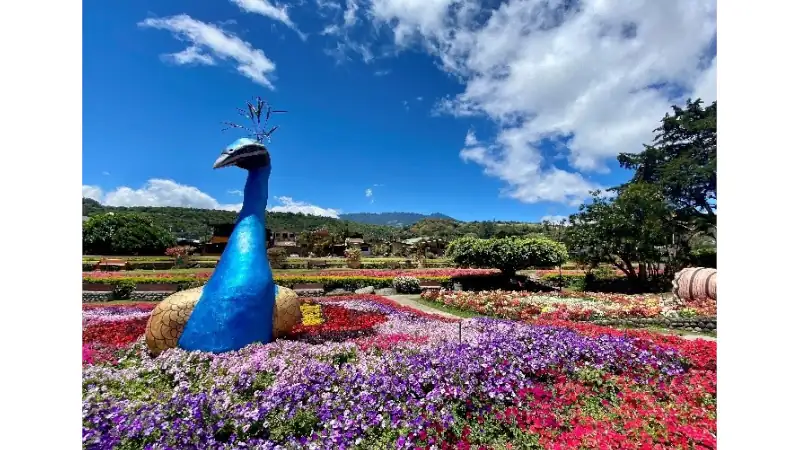
Colorful peacock sculpture surrounded by vibrant flowers in a Boquete garden.

Today Boquete is home to one of the world’s biggest communities of expats and foreign retirees. These are welcoming folks. Living here you’d never want for English-speaking company.

In addition, Boquete offers fresh spring-like weather year-round. Down at sea level, Panama is hot and steamy. Up here in the highlands it’s eternally pleasant… even cool enough some evenings for a fire. Some homes come with fireplaces.

The countryside is lush and green in this land of rainbows…
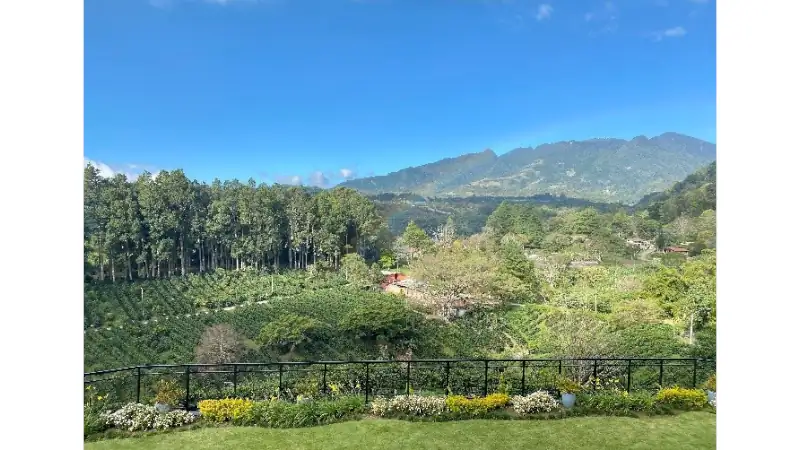
Scenic view of Boquete’s green coffee-growing landscape and surrounding mountains.

And the cost of living is low… remarkably low given the lifestyle on offer…

For life here today is fully appointed. Boquete village boasts restaurants of nearly every nationality, nightlife, massage studios, beauty salons… along with grocery stores and medical clinics…

This region also produces some of the best coffee on earth, including the famous geisha bean, grown in beautiful fields all around.
Colorful peacock sculpture surrounded by vibrant flowers in a Boquete garden.

It’s a nature-lover’s dream and an outdoorsman’s playground. You could spend your days hiking the lush highlands, rafting on the river, spotting wildlife, fishing…

Plus, you’re only around 30 minutes from David, Panama’s second-largest city, where you’ll find everything you’d expect to find in a large city back home.

You’re also just 50 minutes from the Pacific coast and its beaches.

Start Your New Life Overseas Today!
Sign up for our free daily e-letter, Overseas Opportunity Letter, and we'll send you a FREE report on the 12 Best Places To Retire Overseas In 2026.
We Value Your Privacy! We will not share your email address with anyone else, period.


Boquete has grown up to offer everything you could want for your retirement lifestyle…

With one glaring exception.

Quality housing has been very hard to come by… and luxury housing has been non-existent…

Until now.

In this tranquil paradise, a luxury-standard project, boasting a slew of five-star amenities, by Panama’s most respected and established developer is well underway. I sent my real estate scout Sophia Titley there recently to check on progress…
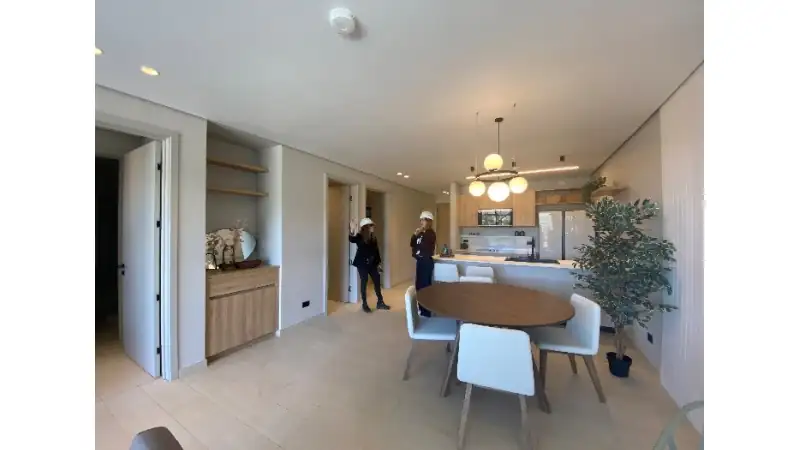
Bright, modern interior with an open kitchen and dining area overlooking the Boquete landscape.

Thanks to our decades-long personal relationship with the developer, we’ve been able to negotiate for Live And Invest Overseas readers to have their pick of the best inventory every step of the way. Phase I has already opened its doors, celebrating its grand opening just last week.

Now, we’ve secured access to the newest phase of the resort, giving you the chance to get in before the full vision is built out.

And that’s not all…

We’ve arranged for a massive discount of up to $12k for my readers… along with a VIP invitation to visit in person.

To gain access to all the details, you need to join us next week, on Wednesday, Sept. 30, at 11 a.m. ET, for our Ultimate Retirement Haven Spotlight Event when America’s #1 overseas property expert Lief Simon, together with our contact on the ground in Panama, will walk you through this one-of-a-kind opportunity.

Simply click here to register at no cost and obligation free.

Until next time,

Kathleen Peddicord Signature

The post A Look Inside A Luxe Home In The World’s #1 Expat Haven appeared first on Live and Invest Overseas.
  •  

Where To Find The Best Overall Quality Of Life On Earth

France is a country of superlatives, from the world’s best food and wine, art and fashion to the most beautiful, most romantic city and best overall quality of life on Earth. Most people want to live in France.

France is tops in more practical ways, as well. The country boasts the world’s best health care and some of the most developed infrastructure anywhere.

Indeed, for many, la vie française is the good life defined, and the best news is that it can be more accessible than you might imagine…

Some of the best France has to offer comes free. Picnics in the Luxembourg Gardens, long walks along the Seine, afternoons lost among the cobblestones of the Latin Quarter… these things cost not a sou.

Most museums, including the Louvre and the Musée d’Orsay, forgo admission fees one day a month.

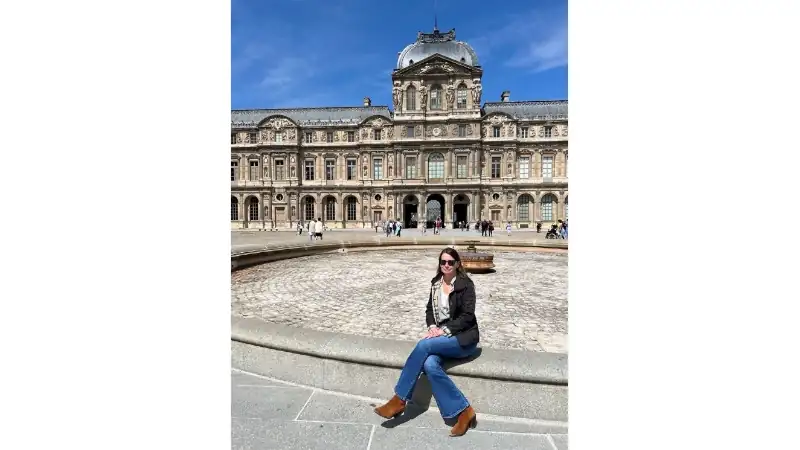
Kathleen Peddicord poses in Paris.

The Metro will transport you from restaurant to nightclub or from museum to café for less than $2, and even the chicest Parisians don’t mind using it for transport around their city.

Paris is a never-ending feast of gallery openings, special performances, exhibitions, and celebrations, many available for little cost. You can join conversation groups, discussion groups, book clubs, and even cooking classes for free. You can enjoy prix-fixe meals for $25 or less, and you can spend hours in a café, seeing and being seen, for the price of but a single café au lait.

The more practical necessities of life don’t come free, but, again, they are more affordable than you might imagine.

France boasts perhaps the world’s best infrastructure, and it’s a bargain. You can purchase a Cable TV, internet, and phone plan for $50 that allows for free calls to anywhere in Europe and North America.

Public transportation (the Metro, the bus, and the RER train system) are likewise likely less costly than comparable services wherever you’re living now.

Plus,France is remarkably geographically diverse, from sophisticated urban centers to quaint rural villages, sparkling beachside towns, and Alpine mountain settings.

You could settle in Occitanie and embrace the best of country life in the south of France. This region boasts historic and romantic cities and towns, varied outdoor recreation opportunities, and more than 300 sunny days a year.

It’s affordable, too, unlike Provence, its more famous counterpart in the south of France.

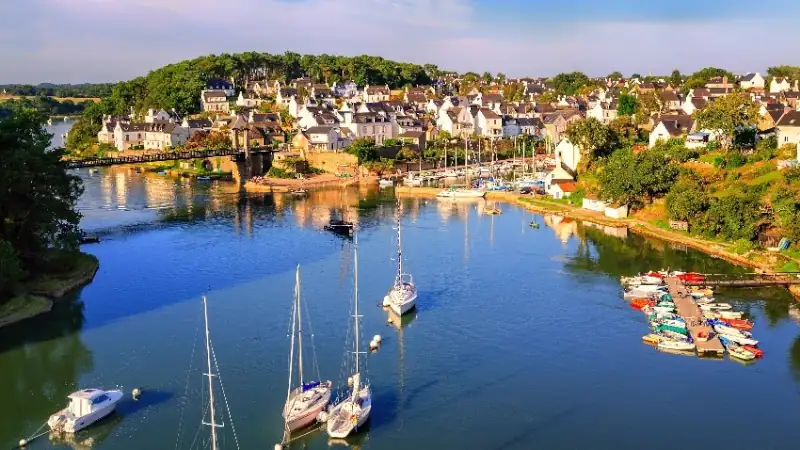
You could try out life in Morbihan, a mostly rural department on the southern coast of Brittany—uncharted land for most non-French tourists and residents.

Life here is centered around the Gulf of Morbihan and its endless corners of coastline worthy of exploration.

Morbihan, Brittany, France.

Morbihan, Brittany, France.

The expat community in Morbihan is small, but if you’re proficient in French, it’s an excellent base for cultured and sophisticated coastal living.

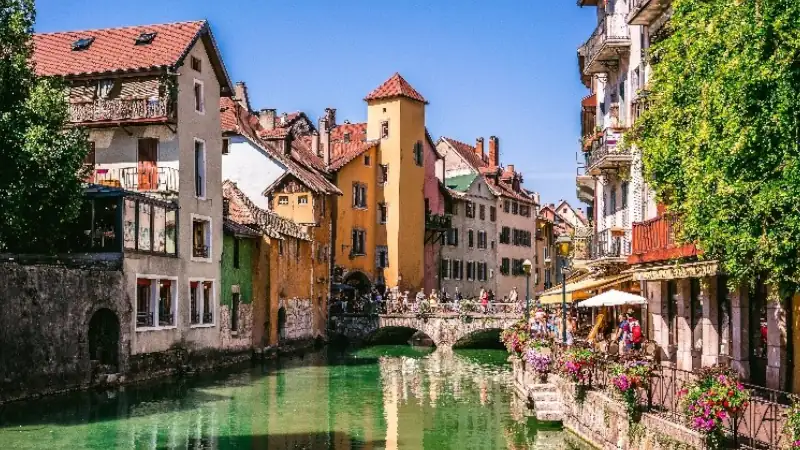
Annecy, a mountain town also known as the Pearl of the French Alps, would make for a phenomenal home base. The centuries-old town is like Disneyland come to life.

Annecy, France.

Annecy, France.

In summer, life revolves around the crystal-blue lake at the city’s center; in winter, the focus is the snowy Alpine peaks all around. Annecy appeals to nature lovers, museum aficionados, foodies, adrenaline junkies, and fashionistas all at the same time.

Or you could call ground zero of refined Western culture your home by setting yourself up in Paris.

With hundreds of museums and galleries, one of the liveliest café cultures and the most-revered cuisine in the world, plus space to breathe in sprawling parks and woodlands, Paris can be the ultimate retire-overseas dream.

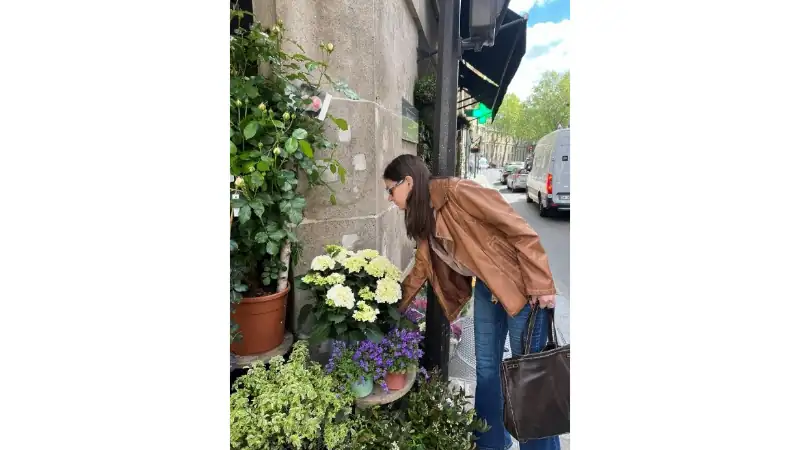
Kathleen exploring a charming Parisian street lined with flowers and greenery.

Life in Paris is filled with simple pleasures…

Learn The Language… Or Not

In parts of France with a heavy tourist presence, including Paris, you can count on finding someone who speaks English, meaning you don’t have to learn to speak French if you don’t want to.

A simple “Parlez-vous anglais?” can carry you a long way, and if you’d like to live in this country but have no interest in learning a new language, Paris—where you can also find English-language news services, bookstores, religious associations, and a large English-speaking expat community—is your best bet.

Outside Paris and in more rural settings, it’s less likely that waiters, shopkeepers, and the tellers in the local bank will speak English, meaning that, to make the most of French country life, you’ll want to make the effort to learn at least conversational French.

World’s Best Public Transportation

As with learning French, whether or not you’ll need to invest in owning a car will be determined by where you settle. The best way to get around Paris is on foot.

When your feet give out, you can get on a bus or the Metro or grab a bicycle.

All of these options are available across the city for the cost of a few euro. Having a car in Paris would be an unnecessary expense.

Living in the south of France, on the other hand, you’d want your own car to be able to take advantage of all that this part of the country has to offer.

France’s domestic road network is well maintained, and you can easily connect to other destinations in Europe along the excellent highway system.

Note that gas prices are higher than in the United States, meaning getting around by car can add significantly to your budget.

Also, note that you can drive in France on your home license for one year only. After that, you’ll need to trade it in for a French one, which will require passing the French driving exam.

France also has well-established train systems that make it easy to travel around the country and beyond throughout Europe. The domestic rail, called SNCF, is easy to navigate, affordable, and fast, and fares are reduced by 25% for senior travelers.

Start Your New Life Overseas Today!
Sign up for our free daily e-letter, Overseas Opportunity Letter, and we'll send you a FREE report on the 12 Best Places To Retire Overseas In 2026.
We Value Your Privacy! We will not share your email address with anyone else, period.


Becoming A Resident Of France

Americans can stay in France for up to 90 days as a tourist. No visa or permit is required, and you can travel beyond France anywhere in the Schengen Zone during this period.

To stay in France beyond the tourist window, you’ll need to prove you can support yourself financially, taking the minimum wage (which varies region to region) as the guiding amount for how much income you’ll need to show to qualify for residency. In addition, you’ll need to show proof of health insurance.

The important thing to understand is that you must begin the residency process from your home country. If you haven’t, you’ll be required to leave France, go back home, then return to France after you’ve obtained the appropriate stamp in your passport.

This process provides you with a one-year, long-stay visa. You can extend that long-stay visa with the local authorities in France, assuming you still meet the requirements. If you do, you’ll be granted a carte de séjour, which is permanent resident status.

Taxes In France

France has a famously complex system of taxation. Residents of France are taxed on worldwide income, while non-residents are taxed on locally earned income only.

While figuring French tax can be complicated, the amount of tax you’re likely to end up paying in total between taxes paid to France and taxes paid to the United States should be roughly the same as what you’re paying in tax now, thanks to the tax treaty in place between the two countries, which eliminates the risk of double taxation.

In addition, in France, you’ll pay taxes to the central government only; there are no state or county taxes. If you’re moving to France as a couple or a family, you’ll be able to take advantage of tax reductions.

Health Care

The health care in France is among the world’s best. Even better, it can be possible to access this top-notch health care free.

That said, you’ll need to show proof of insurance when applying for a long-stay visa and to keep this insurance for the first five years of living in France.

After this, you can apply to take part in the public system. To qualify, you’ll need to be employed in France, self-employed and making the necessary contributions, or of retirement age.

Remember, The French Invented The Word Bureaucracy

Bureaucracy by any other name would still be French. This country loves its red tape, which can cause headaches for newcomers unfamiliar with the system. You’ll need the proper paperwork with the right stamps to get anything done.

Another frustrating aspect to life in France is that this country is not entrepreneur-friendly. This is no place to start a business.

Many expats also complain about the rigid public-school system, taking issue with the very particular way the French educate their children.

Education in France is perhaps the highest quality in the world, but it may not be palatable for kids or parents used to more liberal teaching methods.

Finally, it can be difficult to integrate with the local community. The French have a reputation for being rude. In fact, they’re extremely well-mannered and will respond best if you are, too.

Until next time,

Kathleen Peddicord Signature

The post Where To Find The Best Overall Quality Of Life On Earth appeared first on Live and Invest Overseas.
  •  

How To Choose Where To Go

The question we’re considering together in these dispatches isn’t should you improve your circumstances by moving to a new country?

That’s the given.

The question I’m forever trying to help you answer is where in this big beautiful world of ours should you go?

Let’s regroup in that context by considering the world map big picture.

Do you want to live in Asia?

Europe?

The Americas?

The process of elimination becomes important. Your challenge is greatly reduced if you’re able to remove whole portions of the globe from your list.

So let’s break this down…

Asia

Asia boasts a number of the most cost-friendly places anywhere to call home right now. Pockets of Thailand, Vietnam, Malaysia, and the Philippines can be absurdly cheap.

Living on this side of the planet, you’d also have access to some of the world’s most beautiful beaches. Your life would be filled with the exotic, the unexpected, and the adventuresome.

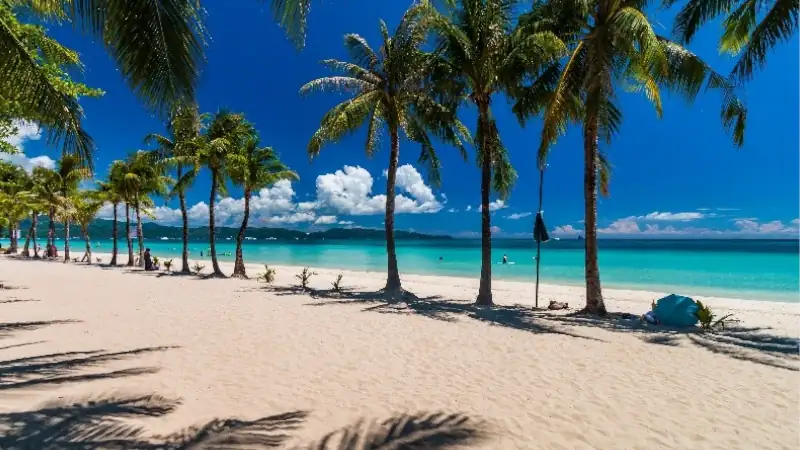
White Beach, Boracay, The Philippines.

White Beach, Boracay, The Philippines.

That is to say, the culture shock would be significant. For some, this reality is thrilling. For others, terrifying.

Used to be that many foreign retirees in Asia didn’t legalize their status. Historically—in some cases because it seemed easier and in others because formal residency programs weren’t an option—expats in this part of the world lived lives built around the border run. They’d leave the country where they were living but not legally resident briefly then return with a renewed tourist visa.

I’ve never recommended the approach. It’s insecure and risky. It can also be costly—paying for all that traveling back and forth across a border—sometimes more costly than the process of establishing legal residency. Definitely, border running comes with a greater hassle factor than I’m up for.

Today the strategy is also not really possible. More and more countries, including across Asia, are cracking down on the practice. The good news is that more countries in Asia now offer formal legal residency options.

The biggest practical downside to choosing Asia is geography. Thailand, Malaysia, Vietnam, etc., are literally on the other side of the world. You’re not hopping back and forth between your new home in Asia and your old one in North America for your grandkids’ birthdays.

It can make sense to approach Asia not as a full-time choice but as part of a retire-overseas plan that allows you to enjoy the benefits of Asia (super cheap and super exotic) part-time.

How about a couple of months in Da Lat, Vietnam, or Chiang Mai, Thailand, where your retirement budget would stretch far indeed, followed by a few months in, say, France?

Europe

Which brings us to Europe. Many who dream of a new life in Europe dismiss it out of hand for fear it’s beyond their budget. This is not necessarily the case.

Sure, a retiree with a modest nest egg might not be able to afford Paris but have you considered southwestern France, where life is quintessentially French but also surprisingly affordable?

We’ll look specifically at your most affordable options across France during our Live And Invest In France Conference taking place later this week. This is a live but virtual event meaning no plane ticket, no luggage, and no jet lag. If Europe is your dream, take a look here now for how to join us online for these two potentially life-changing days.

One of the biggest upsides of Europe compared with other regional new-life-overseas options is the opportunity it affords for what might be referred to as “high culture.”

Every country in the world has culture, no question, but not everywhere has world-class museums, opera, and live theater. If you’re interested in a life that includes cultural offerings of that variety, you should be looking to the Continent.

Which is not to say it’s impossible to enjoy an Old World Continental lifestyle anywhere else.

The Americas

Some cities in South America offer a fair imitation—Buenos Aires, and Medellín, Colombia, to name two. Both are cities of open-air cafés, museums, theaters, art galleries, and antique shops.

And both, you’ll note, are in South America, not Central America. The differences between these two regions can be striking.

I’m speaking generally and could name exceptions to every point, but, again, generally speaking, South America offers what I’d call more polished options and can be a good place to look if what you want is culture on the cheap.

Central America, by contrast, is, most everywhere, rough around the edges. These are small, developing countries with non-existent budgets for things like art museums.

The standout exception is Panama, which increasingly competes at a more international level in all regards, including when it comes to things like culture and entertainment. We’ll show you up close and in person just how impressively real-world life in Panama can be during our Live And Invest In Panama Conference taking place in Panama City Jan. 20-22.

There are big-deal reasons we named Boquete, Panama, as the world’s best place to live or retire overseas in 2026… and it’s important to note that this country is also the world’s safest haven, the best place in the world to invest in property or start a business right now.

We’ll dig into it all during our January in-person event with the help of my entire in-Panama team.

Until next time,

Kathleen Peddicord Signature

The post How To Choose Where To Go appeared first on Live and Invest Overseas.
  •  
❌