
❌

Normal view

  • ✇Live And Invest Overseas
  • Portugal’s Secret Calendar: Strange, Spectacular Local Festivals Kat Kalashian
    One of the most vibrant aspects of Portuguese traditions is the festa. Literally translating to party, really, the term covers a wide scope of events that are significant in Portuguese culture.  Festas take place in every town in Portugal, big or small, and can be linked to local patron saints, historical dates, medieval and Renaissance fairs, food festivals, or any significant cultural attraction.   Most festivals take place between late May and mid-September. It’s elementary math: warm w
     

Portugal’s Secret Calendar: Strange, Spectacular Local Festivals

15 October 2026 at 09:30

One of the most vibrant aspects of Portuguese traditions is the festa. Literally translating to party, really, the term covers a wide scope of events that are significant in Portuguese culture. 

Festas take place in every town in Portugal, big or small, and can be linked to local patron saints, historical dates, medieval and Renaissance fairs, food festivals, or any significant cultural attraction.  

Most festivals take place between late May and mid-September. It’s elementary math: warm weather = festas. 

Each festa shows a different side to the heart of Portuguese culture, but there are many common aspects. They’re the perfect opportunity to immerse yourself into Portuguese tradition and spirit. 

Best of all, they’re free and open to all.  

Of course, many of these events are raucous, with loudspeakers blasting music, fireworks at all hours, kids throwing firecrackers at your feet, water being thrown from all sides… and sometimes even odder traditions, like being hit on the head with a plastic hammer or being pelted with flour…

If that doesn’t sound like the kind of atmosphere you’d go for, you probably want to avoid being in town for a festa.

But as you plan your trip to Portugal or think about exploring more of your new home country, you should include one or two festas in your itinerary to really get a true feel of local atmosphere.

My book, Living in Portugal: Your Guide To The Good Life In The Old World, dives deep into festivals, food culture, culture quirks, top dishes to enjoy, best sights to see, and the top locations we recommend for seeking a new life here.

I really peel back the layers of all aspects of Portuguese culture thanks to local friends and expats, as well as nearly 15 years spending time in Portugal myself. 

Below are just a few of the obscure and lesser-known festivals around the country to whet your appetite…

So pack your bags, bring your appetite, and get ready to dive into the world of Portuguese festas!

Travel Back To Roman Times

May: Emperor Caesar Augustus founded three cities in the northwest of Hispania, one of which was Bracara Augusta, now called Braga. In the 4th century, it even became the capital of the Gallician province. To celebrate this illustrious past, Bracarra Romana is held every year. The city recreates its Roman past, complete with a Roman fort, food and wine stalls, merchandise, musicians, dancers… and even Roman chariot races. For five days in May, the city and all its inhabitants and visitors dress up for the occasion—don’t be caught without a costume!

A City-Wide White Party

September: The first week of September is when Braga delivers its largest festival of the year—Noite Branca, or “White Night.” Everyone wears white clothing, and stages are erected on most street corners, as well as in public squares and municipal gardens. Live bands, DJs, and other musical acts perform through the night, with new acts every hour. Thousands of people come to dance the night away… On the last of the three nights, an estimated two million people show up bedecked in white and ready to dance.  

The Oldest Carnival Celebration

February: The Carnival celebrations of Podence are one of the most important events in the north of the country, and they’re presumed to have pre-Roman roots.  

In Podence, the stars of the show are masked characters called caretos, which in 2019 were classified by UNESCO as Intangible Heritage of Humanity. Caretos wear colorful woolen suits with rattles at the waist and red, yellow, and green fringes. Their faces are covered by masks made of leather, brass, or wood, and they carry staffs.  

On Tuesday and Sunday, the caretos take to the streets, dancing, running, and jumping, teasing and taunting visitors and young women in particular.  

Originally, caretos were boys and young men. However, due to the desertification that started mostly in the 1960s, the recovery of this tradition was only possible when women also started wearing colorful suits.  

Portugal’s Original Jazz Fest

July: The Cascais jazz festival, now called Ageas Cooljazz, has been held since 1971 and was the first jazz festival ever held in Portugal. For its inaugural lineup, it welcomed Miles Davis, Dexter Gordon, Phil Woods, and The Giants of Jazz: Thelonious Monk, Kai Winding, Art Blakey, Sonny Stitt, Al McKibbon, and Dizzy Gillespie. It still puts on a hit show that packs a stadium every year with hit artists like Chaka Khan, Diana Krall, and Seal and headlining in recent years.

A Living Museum In A Castle

July: For 10 days in July every year, Óbidos is transformed for its Medieval Fair, which will have you absorbed in a living museum populated by hundreds of actors posing as noblemen, beggars, mule-drivers, jugglers, musicians, jesters, dancers, and more.

The town’s castle and surrounding walls are the perfect backdrop for this roleplay, which will also feature jousting tournaments, medieval dinners, and a market, where you’ll find medieval costumes and accessories as well as things like traditional homemade medical remedies.The food stalls offer authentic Middle Ages fare and serve it in clay dishes, and weapons and tools are displayed and demonstrated. Animals will also be on display, including horses, donkeys, falcons, and snakes.

The Best Samba Festival In Europe

July: Sesimbra, a charming town on the coast near Setubal, welcomes thousands of visitors each July to come to watch the famous samba parades. The MegaSamba festival has become a key samba event in Europe, and it becomes more international every year, uniting composers, singer-songwriters, percussionists, choreographers, dancers, Mestre-sala and Porta-bandeira couples, as well as other representatives of schools of samba from different parts of the world.

Start Your New Life Overseas Today!
Sign up for our free daily e-letter, Overseas Opportunity Letter, and we'll send you a FREE report on the 12 Best Places To Retire Overseas In 2026.
We Value Your Privacy! We will not share your email address with anyone else, period.


Step Back In Time In Algarve

August: In Silves, the event of the year is in August, when the town is transported back to medieval times for 10 days, with feasting, dancing, jousting, and shopping. The area around the Praça Al-Muthamid gardens is transformed into a tented area and includes games and events for families and children to enjoy, including traditional archery (watch out for stray flying arrows).

Each night, a professional drama troupe reenacts a different part of Silves’ history. The show covers the period from 1189 during the reign of Sancho I and the first Christian conquest of the city through to 1191 and the Muslim reconquest.

At 6 p.m. every day, the events commence with a procession through the streets, which starts from the Praça Al-Muthamid gardens and winds its way to the top of the town outside the cathedral.

The main event in the castle each evening is performances by medieval dance and circus theater groups. There are belly dancers, a medieval music group, a drumming group, troubadours, and Egyptian dancers, not to mention the traveling actors who wander the streets reenacting slavery, drunkenness, and general medieval life.

The streets are transformed into a series of market stalls, bazaars, and food stalls, selling all manner of crafts and homemade goods. You can even exchange your euros for Xelbs, which were the local currency at the time. With an exchange rate of 1:1, it’s a shopper’s paradise. 

You’ll learn about many more events and so much more in Living in Portugal, for example, where to go…

  • To be hit on the head and burn your feet…
  • To see thousands dressed as devils…
  • To watch students burn their garb…
  • To be brought to tears by a serenade…
  • To be part of a 400-year-old party…
  • The one time a year the public can peek behind palace doors…

Bonne route,

kat kalashian signature

The post Portugal’s Secret Calendar: Strange, Spectacular Local Festivals appeared first on Live and Invest Overseas.
  • ✇Live And Invest Overseas
  • A Portugal Property Play From €208k Sophia Titley
    Figueira da Foz is an Atlantic beach town that most international buyers haven’t discovered yet. With its vast, golden-sand beaches, it’s a long-established seaside resort beloved by the Portuguese that comes alive during summer months. The town is well-appointed with beach bars, restaurants, water sports, a 350-berth marina, and more… This is Portuguese beach-town living at its best… but it doesn’t have the price tag of Portugal’s better-known coastal hot spots yet. For now, Figuei
     

A Portugal Property Play From €208k

15 October 2026 at 08:00

Figueira da Foz is an Atlantic beach town that most international buyers haven’t discovered yet.

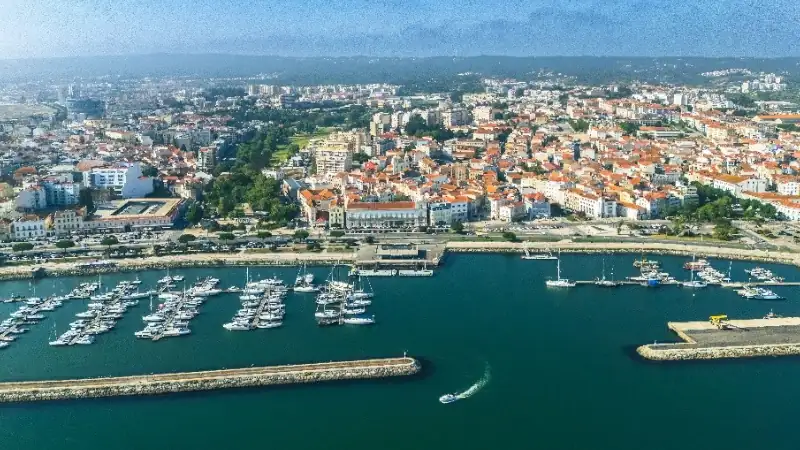
With its vast, golden-sand beaches, it’s a long-established seaside resort beloved by the Portuguese that comes alive during summer months. The town is well-appointed with beach bars, restaurants, water sports, a 350-berth marina, and more…

Aerial view of a coastal Portuguese city with red-tiled rooftops, a marina, and boats along the waterfront.

This is Portuguese beach-town living at its best… but it doesn’t have the price tag of Portugal’s better-known coastal hot spots yet.

For now, Figueira da Foz remains relatively accessible to international property buyers. And we have an exclusive opportunity to get in on high-quality, well-positioned property from just €208k.

This could be your chance to own a piece of Portugal’s Atlantic Coast—just 50 meters from the marina.

Meet Figueira Da Foz: A Charming Portuguese Beach Town

Figueira da Foz is found at the midpoint of Iberia’s Atlantic Coast in the district of Coimbra.

Nicknamed “the Queen of the Beaches,” it’s famous for its expansive golden sands, summertime atmosphere, and maritime heritage.

Figueira da Foz has long had a reputation as a beach resort. Its seafront features a block of elegant villas dating back to the 1860s, many inspired by French resorts with Art Nouveau and Art Deco influences.

It was one of Portugal’s early destinations to actively promote tourism, and this remains an important part of the local economy today. This is the heart of Portugal’s famed Silver Coast—a scenic, 150-mile stretch of coastline that runs between Lisbon and Porto.

Figueira da Foz’s main beach, Praia da Claridade, is one of the most expansive in Europe at half-a-mile wide and just over a mile long. It’s lined by a three-mile seaside promenade that offers views of wild beaches and the Atlantic.

With strong winds and waves, Figueira da Foz is also popular for surfing, kitesurfing, and other water sports. The town sits at the mouth of the Mondego River and is backed by the Serra da Boa Viagem hills, giving it a mix of beach, river, and countryside.

Beyond its natural beauty, Figueira da Foz offers a mild climate and bustling beach lifestyle. It lies 124 miles north of Lisbon, 35 miles west of Coimbra, and 90 miles south of Porto, making it a popular escape for Portugal’s major cities.

It has an attractive historic center with grand architecture, azulejo-clad buildings, and winding streets.

Traditionally a fishing town, its maritime heritage is visible today—from its Sea Museum to the fishermen who still work along the waterfront.

Another popular attraction is Casino da Figueira, which hosts entertainment and events alongside gambling.

The marina on the Mondego River, with access to the ocean, adds to the town’s nautical character.

Then there’s the food. Figueira da Foz is known for its seafood and Portuguese cuisine with oysters, cod, and other local specialties.

Across town, you’ll find cafés, restaurants, bars, shops, cultural venues, sports, festivals, live music, and more.

Though it has long been popular with Portuguese tourists, Figueira da Foz is more than just a summer escape: It’s a genuine city with an established local community and the amenities needed for year-round living.

For buyers looking for traditional Portuguese character alongside a vibrant coastal lifestyle, Figueira da Foz is worth a closer look.

It’s Not Just The Lifestyle That’s Getting Attention

Figueira da Foz’s property market is moving.

It has seen significant price growth in recent years alongside growing tourism and investment. Overnight tourist stays were up by 5.4% in 2025. International cycling, surf, beach and motorsport events, Carnival, conferences, festivals, and live performances are contributing to higher tourism numbers in the off-season.

The Portugal 2030 Project features a €9.2 million investment in Figueira da Foz port infrastructure.

House prices grew by 19.9% year on year to August 2026 with no signs of slowing…

This is underpinned by nationwide property price increases. Portugal saw the highest annual rise in house prices at 15.2% among 60 economies. This is largely explained by a persistent imbalance between strong demand and limited supply.

At €2,120 per square meter, Figueira da Foz is well below some of Portugal’s better-known property markets, like Greater Lisbon (€3,836 per square meter) and the Algarve (€3,352 per square meter).

Figueira da Foz is gaining value without yet carrying the price tag of Portugal’s most established coastal markets.

The Opportunity: Your Own Place On Portugal’s Atlantic Coast—From €208k

Here’s the opportunity at a glance:

  • Boutique development
  • Just 10 apartments remaining out of 17
  • Studios through two-bedroom residences
  • From €208k, up to €550k
  • Just 50 meters from the marina
  • Completion projected by end of 2026

This premium boutique development from a Lisbon-based insider involves the redevelopment of a building in one of Figueira da Foz’s most desirable waterfront locations.

Located on Cais de Alfândega, the property is just moments from the marina, main beach, and heart of the city.

It’s highly walkable, with cafés, restaurants, supermarkets, schools, and everyday necessities nearby. The quintessential Portuguese coastal lifestyle is right outside your door.

The project features an exclusive collection of apartments, including studios and one- and two-bedroom residences ranging from 53 to 165 square meters.

The apartments are fully equipped, featuring contemporary interiors and private balconies, creating comfortable spaces for personal use and rental appeal.

Completion is projected for the end of 2026, meaning your own place on Portugal’s Atlantic Coast could be ready within months rather than years.

An Exclusive Entry Price With A 7.5% Discount

Right now, we have access to a 7.5% discount on official list prices, bringing our entry price to just €208,000.

Prices for larger or front-facing units range from €208k to €400k, with the highest-priced unit at €550k.

For a property just 50 meters from the marina in an appreciating Portuguese coastal town… this is an incredible opportunity to enter the market at an accessible level.

When you consider the inherent scarcity of well-positioned coastal property—not just in Portugal but everywhere in the world… as well as the marina-front location and the level of construction, the appeal extends even further.

For buyers from the States and Canada, the price difference is striking. The median list price for a home by the water in San Diego is $1.9 to $2.27 million. In Vancouver, it’s anywhere from $1.2 million to $5 million…

This opportunity is a fraction of the cost, plus it gives you access to a highly coveted lifestyle in one of the world’s most popular expat havens.

Start Your New Life Overseas Today!
Sign up for our free daily e-letter, Overseas Opportunity Letter, and we'll send you a FREE report on the 12 Best Places To Retire Overseas In 2026.
We Value Your Privacy! We will not share your email address with anyone else, period.


Escape To Your Coastal Getaway Or Rent It Out…

This property offers mixed use (rentals and residential) with flexibility for owners.

You can enjoy the property as your own Portuguese getaway, spending summer son the Atlantic or taking long weekends by the sea…

When you’re not using it, you can generate rental income from holiday lets, subject to licensing requirements.

According to AirROI, short-term rental yields in Figueira da Foz are in the 2% to 4% range, although exact amounts vary by property, occupancy, management costs, seasonality, and other factors.

A Market That’s Moving

Figueira da Foz’s property market has gained significant momentum.

As of August 2026, asking prices were up by 20%, and this shows no signs of slowing.

Though we don’t advise buying property based on appreciation potential alone, for anyone considering a Portuguese property purchase, an established coastal destination experiencing strong price growth is worth a closer look.

Best of all, you don’t have to wait years for the property to be completed. With completion projected for the end of 2026, your Portuguese coastal retreat could be ready within months.

Is This Your Opportunity To Own A Piece Of Portugal?

Imagine waking up in your own apartment on Portugal’s Atlantic Coast… drinking coffee on your private balcony as you look out over the marina…

Spending the afternoon on one of Europe’s great beaches… enjoying fresh seafood for dinner… having your own place to return to whenever you want…

That’s the lifestyle that Figueira da Foz offers.

And with this exclusive opportunity, you can secure your own piece of it—with residences starting at €208,000 and the marina just 50 meters away.

There are just 10 out of 17 apartments remaining, and availability is limited.

Get in touch today to learn more about the project, available apartments, floor plans, pricing, and the 7.5% discount currently available.

Sincerely,

sophia title opa signature

The post A Portugal Property Play From €208k appeared first on Live and Invest Overseas.

  • ✇Live And Invest Overseas
  • The Wine Country No One Has Told You About Kat Kalashian
    This is perhaps the best time of year for wine tours and vineyard visits in Europe—it’s harvest season, and you’ll find the wineries buzzing with grape picking, pressing, special harvest meals, and other seasonal traditions that aren’t part of a standard tasting-room visit at other times of year. Plus, the weather is pleasant and tourism is down… crisp autumn walks among the vines that you don’t have to share with dozens of others. This time of year is when wine tourism is less like sights
     

The Wine Country No One Has Told You About

1 October 2026 at 09:00

This is perhaps the best time of year for wine tours and vineyard visits in Europe—it’s harvest season, and you’ll find the wineries buzzing with grape picking, pressing, special harvest meals, and other seasonal traditions that aren’t part of a standard tasting-room visit at other times of year.

Plus, the weather is pleasant and tourism is down… crisp autumn walks among the vines that you don’t have to share with dozens of others.

This time of year is when wine tourism is less like sightseeing and more like being invited into the winemaking process itself.

You may have already done some wine tours on the Continent… perhaps Bordeaux or Champagne… These classics can seem a little mainstream these days, with lots of package offers and lots of other wine tourists. These well-trod paths can feel a little impersonal.

That’s what I love about Portugal’s wine country—it’s still like an intimate discovery instead of tourism for the masses.

Whether you’re cruising along the Douro on a small river boat, or trekking through the hills of Alentejo… raising a glass of tawny port or savoring a complex Madeira… every wine experience in Portugal feels unique.

What Wine?

Mention Portuguese wine and you probably think of Port, which deserves its reputation, sure.

The Douro, in Northern Portugal, from which port hails, is one of the world’s great wine regions, with vineyards carved into steep river valleys and a wine history that stretches back centuries.

But stopping at Port would be like going to France and drinking only Champagne.

There’s so much more to explore here… Portugal has a deep wine culture that few really know about.

This little country has an extraordinary range of landscapes and growing conditions: mountains, river valleys, Atlantic coastlines, and sandy plains. It has around 250 native grape varieties, and blending different grapes is a longstanding part of the country’s winemaking tradition.

And that’s what makes Portugal so much fun for a wine trip: there isn’t just one Portuguese wine experience, there are many—and each one feels personal and one-of-a-kind.

In the north, you can drink Vinho Verde: young, fresh wines from the Minho, often with that characteristic little spritz that makes them so refreshing. And despite the name, Vinho Verde isn’t actually a “green wine”—the name refers to its youthful character.

Travel inland and things change dramatically…

The Douro is famous for Port, but the region also produces dry reds, whites, and rosés. Its wine landscape is so distinctive that the Douro has been a UNESCO World Heritage site since 2001.

Then there is Dão, a region that’s practically unheard of, even in Portugal. It’s truly one of the country’s best-kept wine secrets, producing balanced, long-lasting wines as well as rosés and sparkling wines.

And if you keep going, the list just keeps getting more interesting: Bairrada and its sparkling wines, the high-altitude vineyards of Beira Interior, the extensive vineyards around Lisbon, the value-oriented wines of the Tagus, the dessert wines of Setúbal, the broad landscape of Alentejo, and eventually the very different wine worlds of Madeira and the Azores.

Go Where—And When—Everyone Else Isn’t

Where Portugal gets especially interesting for wine travel is in how off-path its experiences are compared to the more well-known wine destinations.

If you’re planning a wine trip outside the height of the traditional tourist season, don’t assume that the famous, polished tasting room is the experience you want… Think smaller.

Look for wineries that aren’t built around busloads of visitors and those without the well-known names. Search for family producers, smaller estates, and places where the wine is part of the everyday landscape rather than a tourism product.

That’s where you’ll get something completely different: a quieter tasting, more time with the people making the wine, a chance to ask questions without feeling like you’re being moved along to make room for the next group.

And, depending on the winery and season, you may also find the pricing to be much more accessible than more established wine-tourism destinations.

Start Your New Life Overseas Today!
Sign up for our free daily e-letter, Overseas Opportunity Letter, and we'll send you a FREE report on the 12 Best Places To Retire Overseas In 2026.
We Value Your Privacy! We will not share your email address with anyone else, period.


Think Beyond Port

If you’re going to Portugal for wine, absolutely drink Port, but don’t make it the entire trip.

The country has been making wine for centuries and it’s has been part of Portuguese life for generations. Winemaking in what is now Portugal goes back at least to Roman times in some areas, and even earlier in others. Wine wasn’t simply something exported abroad, it had a regular place at Portuguese tables and celebrations.

That history makes the wine culture feel different when you’re actually there. In Portugal, you can feel that you’re not just visiting a collection of vineyards, you’re stepping into a land where wine has long been part of the food, landscape, and social fabric.

So try an aromatic Alvarinho from the north. Seek out an Encruzado from Dão. Explore Baga in Bairrada. Taste a wine from the high vineyards of Beira Interior. Go looking for Moscatel in Setúbal. If you’re near the Atlantic, explore what the coastal climate does to the wines around Lisbon.

And if you’re feeling particularly adventurous, look at Madeira or the volcanic vineyards of the Azores.

Now that’s a wine trip…

The Joy Is Not Knowing What You’re Going to Find

Fourteen wine regions, multiple classification levels, hundreds of native grape varieties, and an enormous range of styles and blends…

You can spend a morning drinking something light and fresh, an afternoon tasting powerful reds, and dinner with a bottle made from a grape you’ve never heard of. Don’t forget some Madeira with dessert.

So go a little farther. Book the smaller place. Ask about the local grapes. Try the wine you’ve never heard of. Travel outside the busiest period.

You’ll spend less… You might have the tasting room to yourself… You’ll likely end up talking to someone who has been making wine there for generations. And you’ll have discovered a side of Portugal that you can only get by traveling off-path.

Bonne route,

kat kalashian signature

The post The Wine Country No One Has Told You About appeared first on Live and Invest Overseas.

❌