❌

Normal view

Received — 8 September 2026 ⏭ Live And Invest Overseas
  • ✇Live And Invest Overseas
  • The Portugal Golden Visa In 2026: A Complete Guide Jason Swan
    Portugal’s Golden Visa is the longest-running and now the most closely watched residency-by-investment programme in Europe. It launched in October 2012, survived the closure of Spain’s equivalent in April 2025, and in 2026 it sits at an interesting moment: the programme itself is stable, while the rules around what it eventually leads to have shifted. This guide sets out how it works, what the numbers actually say, what changed this year, and where it fits against the alternatives. It i
     

The Portugal Golden Visa In 2026: A Complete Guide

8 September 2026 at 12:38

Portugal’s Golden Visa is the longest-running and now the most closely watched residency-by-investment programme in Europe.

It launched in October 2012, survived the closure of Spain’s equivalent in April 2025, and in 2026 it sits at an interesting moment: the programme itself is stable, while the rules around what it eventually leads to have shifted.

This guide sets out how it works, what the numbers actually say, what changed this year, and where it fits against the alternatives.

It is general information and reflects my own experience and opinion; it is not advice.

The Portugal Golden Visa Program In Numbers

Since 2012 the Golden Visa has drawn more than €7.5 billion into Portugal and granted residence permits to over 12,700 main applicants, who between them have brought in excess of 20,000 dependents—well over 30,000 people in total.

In a typical year the programme now issues somewhere between 1,000 and 1,200 residence permits.

The nationality picture has changed sharply. Chinese nationals still lead the all-time count, though their share has fallen. Brazil, South Africa, Turkey, and Russia feature heavily in the historic totals. But the story of the last few years is American: the United States first took the top monthly spot in late 2021 and is now the single largest source of new investors, ahead of China for new applications, with a rising number of Britons and Canadians alongside them.

The American shift is the real story of the programme. The U.S. went from a marginal source to the largest group of new investors in a few years. That tells you what’s actually driving demand now. It isn’t lifestyle relocation, it’s people wanting a European option held in reserve.

What The Portugal Golden Visa Is

Formally the Residence Permit for Investment (ARI), the Golden Visa is a residence-by-investment programme. You make a qualifying investment in Portugal and receive a renewable residence permit for yourself and your immediate family, with the right to live, work, and study in Portugal and to travel visa-free across the Schengen Area.

It is residency, not a passport. It carries a defined path to permanent residency and, in time, the option to apply for citizenship. That distinction—residency now, citizenship much later—is the single most misunderstood part of the programme… and 2026 made it more important than ever.

What Sets The Portugal Golden Visa Apart

Most residence visas expect you to move. Portugal’s Golden Visa is unusual because it does not. The physical-presence requirement is an average of about seven days a year, low enough that the majority of holders never become Portuguese tax residents at all. That one design choice is why the program functions as a hedge rather than a relocation.

It also asks very little of you administratively. There is no requirement to hold a Portuguese address, and the process can be run remotely—the tax number, the bank account, the investment, and the application can all be arranged without living in the country.

For many applicants qualifying is less demanding than they expect: often it is a matter of reallocating capital they already hold into a qualifying fund, and in return the whole family gains EU residency, and with it access to European health care and education.

What genuinely separates Portugal is that the presence requirement is low enough to avoid tax residency. People are often surprised at how administrative the rest of it is. For a lot of clients, it is simply moving money from one investment into another that qualifies. The barrier is understanding the options, not the difficulty of the process—and the reward is EU residency, health care and education for the family.

It suits one profile especially well: the person who knows they want a foothold in Europe but has not decided where. A Golden Visa in Portugal, with Schengen mobility attached, buys that optionality—a considered Plan B for people who are not yet ready to commit to a country.

The Investment Routes

Property no longer qualifies; that route ended in 2023. As of 2026 the two routes most applicants use are:

The regulated investment fund, from €500,000—a subscription into a Portuguese fund regulated by the CMVM (the securities regulator), holding no real estate, investing at least 60% into companies headquartered in Portugal, with a minimum maturity of five years. Capital is invested and therefore at risk, and returns are not guaranteed.

The cultural or artistic donation, from €250,000, falling to €200,000 in designated low-density areas—a non-refundable contribution to arts, culture, or heritage, with no investment return but a lower and simpler outlay.

Other routes exist, including scientific research, job creation, and business investment, but funds and the donation are the two that dominate.

The key facts a client needs to compare funds are often not laid out clearly on fund manager websites—past performance, the full cost and fee structure, the maturity and lock-up period, and any exit penalties. My role isn’t to pick a fund for anyone. It’s to make sure all of that documentation is in hand, so the client can weigh the facts and make their own fully informed decision.

The Costs Beyond The Investment

The qualifying investment is separate from the fees to run the process, and it helps to see those split out.

The government fees are fixed and public: a processing fee of a few hundred euros per applicant, a residence-card issuance fee of around €6,000 per adult paid to AIMA (Agência para a Integração, Migrações e Asilo—the official public agency in Portugal responsible for managing immigration, residence permits, and asylum processes) at the biometrics appointment, and lower renewal fees at each two-year cycle (all set by AIMA’s fee table, which is updated periodically).

Legal fees, by contrast, vary case by case—depending on the category a client chooses to qualify under, the work involved, the number of family members on the application, and whether the client already holds things such as a Portuguese tax number or bank account, any of which can change the overall cost.

Any fund also carries its own subscription and management fees. An itemized quote for your own circumstances is the only reliable total.

How The Process Works

The sequence is consistent: obtain a Portuguese tax number (NIF) and open a Portuguese bank account, both arrangeable remotely; complete the qualifying investment; submit the application to AIMA, attend a biometrics appointment in Portugal; then receive and renew the residence card through the cycle while maintaining the investment.

How Long The Process Takes

Realistically, 12 to 18 months from starting documentation to a first residence card, driven largely by AIMA’s processing backlog. The Portuguese government has committed to clearing Golden Visa files during 2026, and biometric appointments are being issued, though dependents often lag the main applicant. Permanent residency becomes available at five years.

Presence Requirements

The presence requirement is an average of about seven days a year—seven days in the first year and 14 in each subsequent two-year period. A single application covers the immediate family: spouse or legal partner, dependent children (including financially dependent adult children in study), and dependent parents, all with the same rights and the same path forward.

Permanent Residency And Citizenship—And The 2026 Change

This is the change that caused the confusion, so precision matters. The Golden Visa programme did not change. Portugal’s Nationality Law did, coming into force on 19 May 2026.

The residence period required before applying for citizenship rose from five years to 10 for most non-EU nationals, and to seven for EU and CPLP (Comunidade dos Países de Língua Portuguesa—Community of Portuguese Language Countries) nationals. The clock now runs from the date of the first residence card, not the application.

Applications already pending on 19 May 2026 continue under the previous rules.

What did not change is equally important: residency is still five years to permanent residency, and the fund investment can still be exited at that point. Only the path to the passport lengthened.

The nationality change is widely misread. The residence permit and the five-year permanent-residency point are untouched. Only the citizenship clock moved, and it now runs from your first residence card. The detail people miss is the transitional line on 19 May 2026—it decides which regime you fall under, and that is a genuinely material difference.

Citizenship also requires an A2-level Portuguese language qualification. It remains worth pursuing for the EU passport, but it is a longer horizon than residency, and the two should never be treated as the same decision.

Tax And The American Layer

Portugal’s IFICI (Incentivo Fiscal à Investigação Científica e Inovação—Tax Incentive for Scientific Research and Innovation) regime (the successor to the now defunct NHR—Non-Habitual Resident—program) offers incentivized treatment to qualifying new tax residents—but becoming a Portuguese tax resident is a separate decision from holding the visa, and the low presence requirement means many holders never do.

Tax residency generally turns on 183 days in the country or a permanent home there.

For Americans there is an additional dimension: the U.S. taxes worldwide income regardless of residence, FATCA reporting applies, and fund investments raise PFIC (Passive Foreign Investment Company) considerations specific to U.S. citizens. The U.S.-Portugal tax treaty is relevant throughout.

It is navigable—Americans are the largest applicant group—but it belongs with a U.S.-Portugal tax specialist, engaged before the investment rather than after.

How Portugal’s Golden Visa Stacks Up

The Golden Visa is not the only route into Portugal. The D7 suits those with stable passive income who intend to actually live there, and it carries a real minimum-stay requirement.

The D8 digital nomad visa suits remote workers earning from abroad.

The Highly Qualified Activity (HQA) visa is a separate route from around €175,000 for entrepreneurs establishing a highly qualified activity—lower capital and faster processing, but a different visa carrying the standard residence-permit presence rules, not the Golden Visa’s seven-days-a-year design.

People assume HQA is a cheaper Golden Visa but it isn’t the same product. The lower cost is real, but so is the different stay requirement. Matching the person to the right route is most of the work—the Golden Visa is the right answer for the person who wants distance and flexibility, but it’s not for everyone.

The Points Most Often Misunderstood

Residency and citizenship are treated as one thing when they are two, and decisions get made on the 10-year figure that only applies to the passport.

A fund is judged on a manager’s headline return without the full key facts—past performance, total fees, lock-up, and any penalties—in front of you first.

The U.S. tax picture is left until after the money has moved. And HQA is assumed to behave like the Golden Visa.

Each of these is avoidable with the right information early.

Frequently Asked Questions

Is the Portugal Golden Visa still available in 2026?

Yes. The programme is open and unchanged. The 2026 change was to the separate Nationality Law, which lengthened the time to citizenship.

How much do I need to invest for a Portugal Golden Visa?

€500,000 through a CMVM-regulated fund, or €250,000 as a cultural or artistic donation (€200,000 in low-density areas). Property no longer qualifies.

How much time must I spend in Portugal to keep the Golden Visa?

An average of about seven days a year—seven in the first year, 14 in each subsequent two-year period. No relocation is required, and most holders do not become Portuguese tax residents.

How long until I can qualify for Portugues citizenship?

Under the law in force from 19 May 2026, 10 years for most non-EU nationals and seven for EU/CPLP nationals, counted from the first residence card, with an A2 Portuguese language requirement. Permanent residency is available earlier, at five years.

Can Americans with a Portugal Golden Visa keep their U.S. citizenship?

Yes. Portugal permits dual citizenship. U.S. worldwide taxation, FATCA, and PFIC considerations still apply and should be handled with a U.S.-Portugal tax specialist.

How long does the Golden Visa application process take?

Realistically 12 to 18 months to a first residence card in 2026, given AIMA’s backlog.

More Information Jason Swan hosts a free live session on the Portugal Golden Visa, kept current with the 2026 rules, with an open Q&A for anyone who wants to go deeper on the detail above. More on that, here.

Disclaimer

This article is general information and reflects Jason Swan’s experience and opinion. It is not financial, tax, legal or investment advice, and no outcome is guaranteed. Investment through the fund route places capital at risk.

Rules, thresholds, fees and timelines can change; figures are accurate as of September 2026 and drawn from public sources including AIMA. Regulated legal, tax and investment advice is provided by specialist partners.

Jason introduces and connects; the investment decision is always the client’s own, made on an informed basis.

The post The Portugal Golden Visa In 2026: A Complete Guide appeared first on Live and Invest Overseas.
  • ✇Live And Invest Overseas
  • What French Health Care Actually Costs An American Retiree: One Year Of Real Bills Maxime Roseau
    Ask what French healthcare costs an American retiree and you get two unhelpful answers: it’s free… or it’s complicated. Neither survives contact with a year of actual bills. The public system fixes almost every charge you will meet, publishes the amount, and caps two of them at €50 each. What it does not fix is the line that will dominate your budget. The Percentage Is Not The Number Start with the figure every guide quotes. A visit to a secteur 1 GP (a General Practitioner in France
     

What French Health Care Actually Costs An American Retiree: One Year Of Real Bills

8 September 2026 at 12:23

Ask what French healthcare costs an American retiree and you get two unhelpful answers: it’s free… or it’s complicated.

Neither survives contact with a year of actual bills.

The public system fixes almost every charge you will meet, publishes the amount, and caps two of them at €50 each. What it does not fix is the line that will dominate your budget.

The Percentage Is Not The Number

Start with the figure every guide quotes. A visit to a secteur 1 GP (a General Practitioner in France who has signed an agreement with the state health care system Assurance Maladie) and charges standard, government-regulated fees without extra charges) is billed at €30, and Assurance Maladie reimburses 70% of that, which is €21.

Americans read that as a 30% copay and stop reading. Two things then happen…

The €2 participation forfaitaire (a flat-fee contribution deducted from health insurance reimbursements by Assurance Maladie) comes off the reimbursement, so what lands in your account is €19, not €21.

And the 70% applies to the tariff, not to the bill: a secteur 2 doctor (a French health care practitioner who can set their own consultation fees and charge in excess of the official state-set rates) may charge above €30, and the excess sits entirely outside the calculation.

That €30 visit therefore leaves you €11 short, of which €2 can never be recovered.

Ameli (the official online portal and digital service for Assurance Maladie) states that the participation forfaitaire is not reimbursed by complementary insurers holding a contrat responsible (a heavily regulated health insurance policy), which covers nearly all of them. The percentage described the tariff. It described nothing about your bill.

One Year Of Bills

Every amount below is the published 2026 figure, not an estimate.

Line What It Costs Who Absorbs It
GP Visit, Secteur 1 €30 billed, €19 reimbursed. €11 to you or your mutuelle (a private, complementary health insurance policy).
Participation Forfaitaire €2 per doctor visit, X-ray or lab test. You, always. Capped at €50 a year.
Medical Franchise €1 per box of medicine, €1 per nurse or physio act, €4 per medical transport. You, almost always. Capped at €50 a year.
Night In Hospital Or Clinic €23 a day since 1 March 2026, discharge day included. Your mutuelle, if the contract says so.
Emergency Room, No Admission €23, or €9.96 if you have a recognised long-term condition. Your mutuelle, in full.

Read the two caps again, because they are the reassuring part. The participation forfaitaire stops at €50 per person per calendar year.

The franchise stops at €50 per person per calendar year.

Whatever your year looks like, those two lines together cannot exceed €100. There is a daily ceiling underneath as well: €8 a day for the participation forfaitaire with one professional, €4 a day for paramedical acts, €8 a day for transport.

That is the whole of what the French state will bill an ordinary retiree in flat charges. It is the reason a heavy medical year in France does not produce an American-sized number.

The Line France Does Not Set

Which brings us to the one that does. Your mutuelle premium is the largest health cost most American retirees in France will pay, and no official page will tell you what it is.

Individual premiums are priced by age, they climb steeply through your sixties and seventies, and two contracts with comparable cover can differ by a wide margin. Anyone quoting you a single average is quoting a number that describes nobody.

Get three quotes at your actual age, for the cover you actually want, and put that figure in your budget. It is the only figure here you have to find yourself, and it will be larger than everything above it combined.

The other unfixed line is the dépassement d’honoraires (an extra fee charged by a health care provider in France that goes above the standard official rate set by the state).

A secteur 2 specialist sets their own fee, Assurance Maladie still reimburses on the secteur 1 tariff, and your mutuelle covers the gap only up to whatever multiple your contract names.

Check which sector a practitioner is in before you book a first appointment with a specialist. Assurance Maladie runs a public directory of practitioners, and that is where to look.

3 Things That Surprise Expats In Year 1

Year one is not a normal year. An adult with no professional activity in France waits three months after arrival before public health rights open, so the first quarter runs on a private policy plus full-price care, and your first 12 months in France will cost more than every year after it.

A recognised long-term condition does not exempt you from the flat charges. Ameli is explicit that the €2 applies even to patients with an Affection de Longue Durée (ALD—a long-term or chronic illness) and even to retirees.

The emergency room forfait drops to €9.96, but the €23 hospital night does not move, and the €50 caps still have to fill up before they protect you.

Then there is the charge nobody can price yet. The Social Security financing law for 2026, dated 30 December 2025, created a financial participation for people in the public scheme who reside in France stably, have no professional activity, and owe no CSG or CRDS under an international agreement. That is a fair description of an American retiree on a visitor permit. The implementing decree setting the amount had not been published when service-public last updated the page on 13 May 2026. Leave a line for it.

How To Build Your Own Number

Take the table above, multiply the GP line by however many times a year you actually see a doctor, add the two capped charges, which cannot exceed €100 between them, and add €23 for every hospital night a realistic year might hold. That is your public-side cost, and for most retirees the total is unremarkable.

Then add your three mutuelle quotes and stop. Everything else is noise until you are actually living somewhere with an actual doctor. The mistake worth avoiding is not underbudgeting, because these numbers are small and capped. It is arriving in month one, before your rights open, with a private policy you chose on price.

Frequently Asked Questions

Is French health care free for American retirees?
No, and the word to drop is “free”. Once your public rights open, most care is reimbursed at 70% or more of a published tariff, with the balance falling to you or your mutuelle. Two flat charges are capped at €50 each per year, so the ceiling on those is €100.

What does a doctor’s visit actually cost me in France?
A secteur 1 GP bills €30. Assurance Maladie sends back €19, being 70% of the tariff less the €2 participation forfaitaire. Your mutuelle typically covers the €9 balance, but never the €2. A secteur 2 doctor may charge more, and the excess is outside the reimbursement entirely.

How much is a night in a French hospital?
Since 1 March 2026 the forfait hospitalier is €23 a day in a hospital or clinic, and €17 a day in a psychiatric service.

It is charged for every day including the day you leave, Assurance Maladie does not reimburse it, and whether your mutuelle does depends on your contract.

Do I need a mutuelle at all?
Not legally, but the math usually favours one. Without it you carry the full ticket modérateur (the portion of medical costs that remains the patient’s responsibility after the state health insurance—Assurance Maladie—makes its base reimbursement) on every consultation, the hospital day charge, and any dépassement d’honoraires (an extra fee charged by a French health care provider that goes above the standard official rate set by the state). Whether it pays for itself depends on your age, your premium, and how often you expect to see a specialist.

About The Author: Maxime Roseau is a relocation advisor at EasyFranceNow, where he works with Americans moving to France on visas, health care registration, and first-year administration.

Editor’s note: This article is for informational purposes only and is not medical or administrative advice. Be sure to verify current amounts with your local Caisse Primaire d’Assurance Maladie (CPAM) or a qualified professional.

EasyFranceNow have recently launched the France Navigator, a relocation platform designed specifically for Americans moving to France. Access it here and use the code OVERSEAS10 for a 10% discount.

Sources: ameli.fr (participation forfaitaire, 19 January 2026; franchise médicale, 19 December 2025; forfait hospitalier and forfait patient urgences, 2 March 2026), service-public.gouv.fr (fiche F34308, verified 13 May 2026).

The post What French Health Care Actually Costs An American Retiree: One Year Of Real Bills appeared first on Live and Invest Overseas.
  • ✇Live And Invest Overseas
  • Moving To France With A Pre-Existing Condition Maxime Roseau
    France handles pre-existing conditions better than almost any health care system you can think of. Once you are inside the public scheme there is no underwriting, no waiting period attached to the illness you arrived with, and a chronic diagnosis can push your costs down to nothing rather than up. The French system is not the problem for expats. The gap before they reach it is. The Three Months You Should Plan For Under the Protection Universelle Maladie (France’s universal health cover
     

Moving To France With A Pre-Existing Condition

8 September 2026 at 12:01

France handles pre-existing conditions better than almost any health care system you can think of. Once you are inside the public scheme there is no underwriting, no waiting period attached to the illness you arrived with, and a chronic diagnosis can push your costs down to nothing rather than up.

The French system is not the problem for expats. The gap before they reach it is.

The Three Months You Should Plan For


Under the Protection Universelle Maladie (France’s universal health coverage system), an adult expat with no professional activity in France waits three months after arrival before health rights open. Service-public (the official online portal for French public administration), verified on 13 May 2026, puts it plainly: health care rights for expats open after three months of uninterrupted residence and stay open as long as you live in France at least six months a year. Someone arriving to work in France is affiliated straight away. A retiree is not.

For most new arrivals that gap is an inconvenience. For someone with a chronic condition it is the whole problem, because the insurance meant to bridge it is the one product that reads your medical history.

The long-stay visa file requires proof of health insurance covering your stay. Policies sold for that purpose are underwritten, and underwriting is precisely the mechanism the French public system does not use.

The condition you are moving with is often the one thing your bridging policy will not pay for.

The sequence that catches people is ordinary and avoidable. Land in September, private policy excludes the condition, CPAM rights open in December, long-term condition status approved some weeks after that. Five months of a treatment you have been on for years, paid at full price.

What The First Months Actually Look Like…

Stage What Is Happening Who Is Paying
Months 0 to 3 Validating the visa with OFII (French Office for Immigration and Integration), settling an address, and waiting out the residence condition. Your private policy, minus whatever it excludes.
From Month 3 CPAM (Caisse Primaire d’Assurance Maladie—your local public health insurance fund in France) application, provisional then permanent social security number, and Carte Vitale (the official card used to access France’s public health insurance system). CPAM, once the file is accepted.
Once You Have a French GP Médecin traitant (your GP in the French system) declared, protocole de soins (treatment plan) written, and caisse (a local social security or health insurance fund) doctor decides. CPAM at 100% of the tariff for the recognized condition.

The timeline only runs if you start it. None of these steps happen automatically, and the CPAM file is sent back far more often than it is refused, usually over a missing birth certificate or translation.

What France Does Not Ask About Your Health

The conditions for a visitor card are three, and health is not one of them. Service-public, on its page verified 1 June 2026, lists them: resources you can live on, health insurance covering the stay, and an undertaking not to work in France. There is no fitness test and no medical threshold for applicants with a diagnosis.

An OFII medical certificate (an official health document issued following a compulsory medical exam by the French Office for Immigration and Integration (OFII) for non-EU long-stay visa and residence permit holders in France) does appear on the document list, to be handed over when the card is issued. What that appointment involves, and what happens if something shows up, is a question for OFII rather than for this article. Ask them directly, because the second-hand accounts online contradict each other.

Once you are affiliated, your history stops mattering. Coverage in France is a right attached to residence, not a policy you qualify for.

The ALD (And What 100% Really Means)

A chronic condition that meets the criteria can be recognized as an affection de longue durée, which removes the ticket modérateur—the share of the tariff a patient normally pays—and reimburses care linked to that condition at 100% of the Sécurité Sociale tariff. Ameli (the official online portal for Assurance Maladie, France’s national public health insurance system), on a page dated 5 June 2026, describes three doors.

The first is the decree-set list known as the ALD 30: type 1 and type 2 diabetes, coronary disease, Parkinson’s, multiple sclerosis, Alzheimer’s, malignant tumors, Crohn’s and ulcerative colitis, severe chronic respiratory failure, long-term psychiatric conditions, and transplant follow-up, among others.

The second, ALD 31, is the off-list route for a severe or disabling form of a serious illness that is not listed, where treatment is expected to run beyond six months and the care basket counts as costly under the rules.

The third, ALD 32, covers several conditions together producing a disabling state that needs continuous care for more than six months.

Getting there is a chain rather than a form. You declare a médecin traitant (your designated primary care doctor in the French system). That doctor writes the protocole de soins (care protocol or treatment plan). The medical officer at your caisse (a local social security or health insurance fund) approves or refuses it, with an appeal route either way.

Nothing in that chain starts before you have a French GP, which is the argument for finding one in your first weeks instead of your first emergency.

Where This Catches Americans Out

100% is not everything. It is 100% of the Sécurité Sociale tariff, and only for care connected to the recognized condition. A specialist billing above the tariff, a dental crown, a pair of glasses: none of that sits inside the ALD. Which is why most people with a chronic condition still carry a mutuelle (a private, complementary health insurance policy).

Then there is the list itself. Severe hypertension came off the ALD 30 list in 2011, and Ameli notes that blood pressure treatment prescribed within another recognized condition, such as diabetes or a cardiovascular illness, stays covered under that one. Arriving on blood pressure medication and expecting free treatment is a common misread.

The third catch is new. The Social Security financing law for 2026, dated 30 December 2025, created a financial participation for beneficiaries of the public scheme who reside in France stably and regularly, have no professional activity, and owe no CSG, CRDS, or health contribution under an international agreement. American retirees on a visitor permit sit inside that description.

As of the last update to the service-public page on 13 May 2026, the decree setting the amount had not been published. Budget for something rather than nothing.

What To Line Up Before You Fly

Get your bridging cover and your diagnosis into the same sentence, in writing, before you pay for anything. Ask the insurer to confirm by email how your specific condition is handled in the first four months, and keep the email.

Most of the rest you can run yourself. The visa file, the CPAM application, declaring a médecin traitant (treatment plan): plenty of retirees do all three without help. What is worth paying for is a read on your own case when the treatment is expensive, time-sensitive, or specialized. Either way, bring a summary of your medical history translated into French, listing drug molecules rather than U.S. brand names, and hand it to the first French doctor you meet.

Frequently Asked Questions

Can France refuse me a visa because of a health condition?


The eligibility conditions service-public lists for the visitor card, on its page verified 1 June 2026, are resources, health insurance, and an undertaking not to work. Health status is not among them. An OFII medical certificate sits on the document list, and OFII is the body to ask about what that appointment covers in your case.

How long until French health coverage starts?


Three months of uninterrupted residence, if you have no professional activity in France. Rights then stay open as long as you live in France at least six months a year. Anyone arriving to work is affiliated immediately, which is why the wait catches retirees rather than younger arrivals.

Will my pre-existing condition change what CPAM covers?


No. The public scheme does not underwrite, so it cannot price or exclude an illness you arrived with. If the condition qualifies as an affection de longue durée, the effect runs the other way: care linked to it is reimbursed at 100% of the tariff rather than the usual rate.

Do I still need a mutuelle if my condition is recognized?


Usually yes. Recognition covers care linked to that condition, at the tariff, and leaves everything else on normal reimbursement rates plus any amount a doctor charges above the tariff. Dental, optical and unrelated care all sit outside it.

About the Author. Maxime Roseau is a relocation advisor at EasyFranceNow, where he works with Americans moving to France on visas, health care registration, and first-year administration.

EasyFranceNow have recently launched the France Navigator, a relocation platform designed specifically for Americans moving to France. Access it here and use the code OVERSEAS10 for a 10% discount.

Editor’s Note: This article is for informational purposes only and is not medical or immigration advice; verify current requirements with your local CPAM or a qualified professional.

Sources: service-public.gouv.fr (fiches F34308, verified 13 May 2026, and F302, verified 1 June 2026), ameli.fr (affection de longue durée, 5 June 2026).

The post Moving To France With A Pre-Existing Condition appeared first on Live and Invest Overseas.

  • ✇Live And Invest Overseas
  • Finding Freedom In Belize Kathleen Peddicord
    In my office in Panama City, hanging on the wall opposite my desk in a place I see every time I glance up from my laptop, is a photograph of the entrance to Eva’s Restaurant in San Ignacio, Belize. I came upon the photo years ago in a café in Boquete, Panama, where I was having breakfast one morning. I looked up from my fried eggs and noticed, across the room, what looked to me to be the front door to a place I’d been frequenting for more than two decades. I got up, walked over, and confir
     

Finding Freedom In Belize

8 September 2026 at 08:00

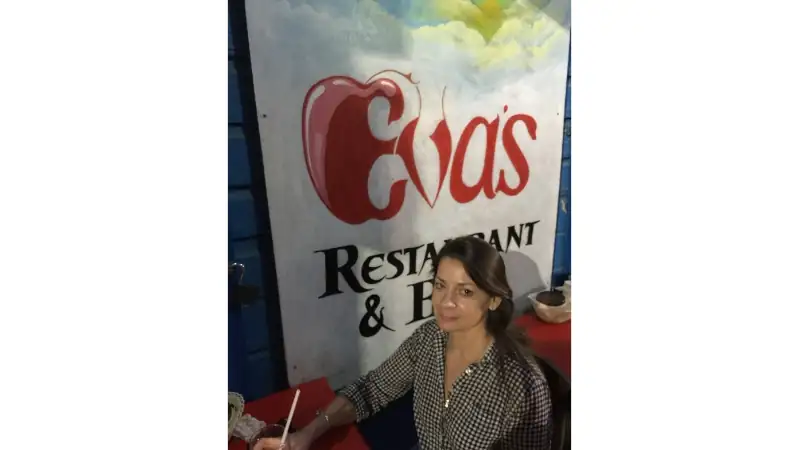
In my office in Panama City, hanging on the wall opposite my desk in a place I see every time I glance up from my laptop, is a photograph of the entrance to Eva’s Restaurant in San Ignacio, Belize.

I came upon the photo years ago in a café in Boquete, Panama, where I was having breakfast one morning. I looked up from my fried eggs and noticed, across the room, what looked to me to be the front door to a place I’d been frequenting for more than two decades.

I got up, walked over, and confirmed that, indeed, it was Eva’s.

“Is that photograph for sale?” I asked the waitress.

“In fact, it is,” she replied. “All the art on the walls is for sale…”

I discovered Eva’s Restaurant more than 40 years ago during what was not only my first trip to Belize but also my first press trip.

I traveled from Baltimore, Maryland, my home at the time, to Belize City and then onward to Ambergris Caye, Placencia, and, finally, inland, to Belize’s Cayo District, all courtesy of the Belize Tourist Authority.

I spent three days in each region and enjoyed them all, but it was Cayo that got under my skin. Cayo, Belize, I realized, was a top-notch place for disappearing.

One afternoon I broke away from my guide and wandered through the jungle to the river, where I sat down on a giant fallen tree. I listened to the birds and the monkeys, watched the women doing their laundry on the rocks downstream from me, and wondered how long I could get away with hiding out in this glorious spot.

I’ve thought of that afternoon often in the years since. Sitting on that log in the middle of nowhere Cayo, Belize, I felt a sense of freedom as strong as I’ve ever known.

Later that day, my guide took me to San Ignacio, Cayo’s biggest town, to a hole-in-the-wall bar-restaurant-café known as Eva’s.

kathleen evas restaurant belize

Eva’s was, even then, a legend among travelers in this part of the world. If you wanted to meet up with fellow expats in Belize, Eva’s was the place. You’d find some sitting at the small wooden tables or hanging out around the bar drinking Belikin beer from the bottle, and, if you were looking for someone in particular who wasn’t around when you stopped by, you could leave a note.

This was pre-Craigslist, pre-internet. If you wanted to communicate with another human being, you had to get out a pencil and a piece of paper and write out your message. Eva’s supported the effort with a giant message board.

Start Your New Life Overseas Today!
Sign up for our free daily e-letter, Overseas Opportunity Letter, and we'll send you a FREE report on the 12 Best Places To Retire Overseas In 2026.
We Value Your Privacy! We will not share your email address with anyone else, period.


Looking for a travel companion, a roommate, a room to rent? Have a truck, a canoe, or a house to sell? Jot down the details and thumbtack the note to the cork board on the wall in Eva’s.

Anyone interested in whatever you were buying, selling, or seeking did likewise. Next time you were in San Ignacio, you could stop by Eva’s to see reply posts, similarly tacked to the cork board. It was a zero-tech, real-world Facebook.

Over the years to follow, I spent many pleasant and memorable afternoons and evenings at Eva’s. It was the kind of place where everyone knew your name within a few minutes of your arrival and you never had to worry about drinking alone.

I don’t get back to Belize’s Cayo District or to Eva’s Restaurant nearly as often as I’d like. When I’m up against a deadline, though, or dreaming of disappearing, just for a little while, that’s where my mind wanders.

If I’m in my office in Panama City, when the urge to disappear takes hold, I look over at my accidental photo and imagine myself walking through those swinging saloon doors, taking a seat at the bar, and ordering a cold Belikin.

Inside Eva’s, all is always well.

Until next time,

Kathleen Peddicord Signature

The post Finding Freedom In Belize appeared first on Live and Invest Overseas.

Received — 6 September 2026 ⏭ Live And Invest Overseas
  • ✇Live And Invest Overseas
  • The #1 Thing I Refuse To Do In Panama City Kathleen Peddicord
    I once saw a woman drive into an open storm drain. Her left front tire got stuck entirely inside. It was downtown Panama City. Rush hour. Blinding rain. Storm drains in this city often don’t have covers. In driving rain, you can miss the holes. That woman’s car wasn’t going anywhere. Water levels in the street were rising, as they can do when it storms in Panama City because drainage systems are often clogged. Horns blasted. Drivers shouted out open windows. The woman got out of h
     

The #1 Thing I Refuse To Do In Panama City

10 September 2026 at 08:00

I once saw a woman drive into an open storm drain. Her left front tire got stuck entirely inside.

It was downtown Panama City. Rush hour. Blinding rain.

Storm drains in this city often don’t have covers. In driving rain, you can miss the holes.

That woman’s car wasn’t going anywhere. Water levels in the street were rising, as they can do when it storms in Panama City because drainage systems are often clogged.

Horns blasted. Drivers shouted out open windows.

The woman got out of her car, stood in water above her ankles, laid down her head, and pounded her fists on the hood of her vehicle. I couldn’t hear through the rain, but I figure she was crying.

Our evening commute was delayed two hours.

A couple of years later, on another stormy rush-hour afternoon, I drove beneath the overpass onto Avenida Balboa. Fourteen lanes of traffic converge here from six directions.

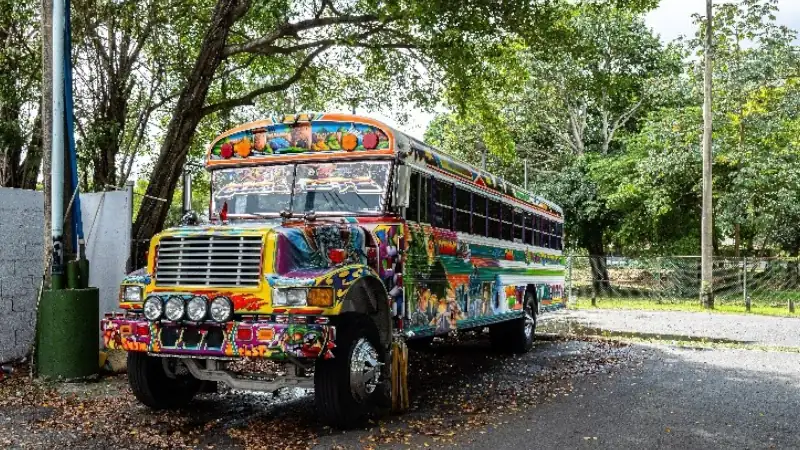
The Panamanian drivers around me did what Panamanian drivers do. They attempted to defy the laws of physics while ignoring the rules of any road and all common sense. I was squeezed from every side including by two Diablo Rojos.

Over the decades, 1970s U.S. school buses have made their way down to Panama. Each is privately owned. Each entrepreneur pimps out his ride…

Panama diablo rojo bus

Then makes a business of it. By day these are local buses. By night, mobile party venues. There aren’t many left on the road today, but when we were first living in Panama City, these Red Devils terrorized the streets.

When one of these drivers wants to occupy the space you happen to be occupying… well, there isn’t much for you to do but get out of his way.

As one Diablo Rojo bore down on me from the right and another from the left, my father’s refrain from when he taught me to drive cried out in my head.

“When in doubt,” he’d tell me, “stop!”

I was still. The chaos around me carried on. Somehow nobody ran into me.

I regained my composure, made my way home, and parked my car. I have not driven in Panama City since.

We hired a driver.

Guillermo schooled me on the ways of Panama City’s mean streets.

“You’ve got to drive like a cowboy, Señora Kathleen” he told me one morning after I’d told him he didn’t need to cut continuously back and forth from lane to lane. I wasn’t in that great a hurry I assured him.

“If I don’t drive like this,” Guillermo assured me, “everyone will take advantage of us.”

It was a lesson in Panamanian drivers but also my introduction to juega vivo. Guillermo quit two months later. He moved his young family to Aguadulce. He’d had enough of playing the game of life in Panama City. He wanted to raise his children in the country. I thought he was on to something.

We hired our second driver, Alberto, just before Carnival that year.

“Are you staying in the city next month?” Alberto asked driving me to work one morning.

It would be our first Carnival in Panama. Every previous year since we’d been calling Panama home, we’d taken advantage of the all-hell-breaks-lose-in-this-country holiday to schedule trips outside the country.

“We haven’t decided yet,” I told Alberto.

“If you’re going to travel to the interior,” Alberto advised, “go early. Don’t wait until the weekend before.”

“The traffic will be bad?” I asked.

“You’ve never seen anything like it,” Alberto said.

You mean it could get worse?

I’ve been living in Panama full- and part-time for 20 years.

I named its highlands town Boquete as the world’s best place to live or retire overseas in my 2026 Retire Overseas Index.

I’ve based my business here, and I have invested more in Panama than anywhere else in the world.

I recommend Panama more strongly right now than at any point over the 30 years since I recommended it for the first time.

But some things about Panama I really don’t like. Top of that list is the traffic in Panama City.

Same could be said about anywhere. No place in this big beautiful world of ours is perfect. The key is to find the place that checks your priority boxes.

What’s most important to you?

Start Your New Life Overseas Today!
Sign up for our free daily e-letter, Overseas Opportunity Letter, and we'll send you a FREE report on the 12 Best Places To Retire Overseas In 2026.
We Value Your Privacy! We will not share your email address with anyone else, period.


Make a list. No kidding. Take out a piece of paper and a pencil and write down the three or four things your dream life features.

Then go in search of places that deliver on those scores.

Each one you identify will have downsides. The 80/20 rule comes into play.

The point is don’t compromise on what matters to you… but be flexible otherwise.

For this strategy to work, you need a full and honest assessment of every destination you consider.

Whatever your live-, retire-, invest-, go-overseas agenda, I believe Panama should be on it. For the reasons we discuss all the time.

Meaning you need an honest assessment of what it’s really like to spend time and money in this country.

That’s where my team and I come in.

Join us in Panama City Jan. 20-22 when we’ll be sharing the whole truth about living and investing in Panama based on decades of firsthand experience.

You won’t get this kind of insider honesty anywhere else.

And you need it.

Here are the details.

Until next time,

Kathleen Peddicord Signature

The post The #1 Thing I Refuse To Do In Panama City appeared first on Live and Invest Overseas.

  • ✇Live And Invest Overseas
  • A True Land Of Opportunity… Kathleen Peddicord
    In all my 40 years of experience covering the live and retire overseas beat, one country has stood out above all the others. I named this country the world’s #1 overseas retirement haven for the first time in 2001. It remains one of the best place in the world to reinvent your life overseas in retirement today… with some caveats. This country is also… • A tax haven. As a foreign resident, you can pay zero local tax… and you can operate your business here tax-free, too… • One of th
     

A True Land Of Opportunity…

4 September 2026 at 08:00

In all my 40 years of experience covering the live and retire overseas beat, one country has stood out above all the others.

I named this country the world’s #1 overseas retirement haven for the first time in 2001.

It remains one of the best place in the world to reinvent your life overseas in retirement today… with some caveats.

This country is also…

• A tax haven. As a foreign resident, you can pay zero local tax… and you can operate your business here tax-free, too…

• One of the easiest and most advantaged places in the world to establish residency, thanks to a suite of the world’s best residency options…

• Home to the smartest beach, river, and mountain property buys anywhere on the planet…

• The best place in the world to base your business. I speak from long experience when I tell you that this is an entrepreneur’s playground…

• One place in the world that’s enjoying continued growth and prosperity and that is positioned for a whole lot more of the same over the coming decade…

• A great place to call home… a beach-lover’s delight… and an eco-traveler’s paradise…

• The ultimate escape. Based here, you and your family no longer need to worry about what’s going on in the rest of the world.

Can you guess what country I’m talking about?

Panama!

I’ve been making the case for the Hub of the Americas for more than 20 years, and I’m writing today to tell you that I’m more bullish on the opportunities and upsides on offer in Panama than ever before.

Bottom line, if you are in the market for a place to live, retire, invest, or do business overseas, you’re doing yourself a big disservice if you aren’t looking closely at this little isthmus.

Too much of the world is struggling through troubled and uncertain times right now, but you’d never know it in Panama. This remains a fast-moving, ever-expanding market… a land of opportunity… and an ultimate safe haven.

How can a country so small bring so much to the table?

That’s what my team and I will be sharing at my 2027 Live And Invest In Panama Conference, taking place in Panama City, Jan. 20-22.

Over our decades in Panama, Lief and I have bought pre-construction for investment and centuries-old French-colonial for renovation…

We’ve managed rentals, both tourist and commercial…

We’ve bought land for banking and for development, including on this country’s Veraguas coast where we’re developing a luxury beachfront community at Los Islotes.

We’ve also started businesses, formed corporations, and opened bank accounts…

We’ve established permanent residency…

Start Your New Life Overseas Today!
Sign up for our free daily e-letter, Overseas Opportunity Letter, and we'll send you a FREE report on the 12 Best Places To Retire Overseas In 2026.
We Value Your Privacy! We will not share your email address with anyone else, period.


We’ve hired staff, shipped household belongings, sourced architects and carpenters, paid local bills, researched health insurance options, bought cars (because we finally had enough of dealing with Panama City taxi drivers!), gotten local driver’s licenses, even started a local franchise…

And our experiences in this tropical haven are only the beginning.

We have enormous depth and breadth of experience in Panama… but our perspective is only that—our perspective.

To form a full picture of the opportunities on offer for living, retiring, investing, and doing business in Panama, you should access many perspectives.

Which is exactly why you should come and join us in Panama in January.

There, my top in-country experts, contacts, colleagues, and friends will be unveiling decades of boots-on-the-ground real-world experience as well as every exciting opportunity we’ve uncovered in this booming little isthmus.

These are my trusted personal advisors on every aspect of making a move or an investment in this country… from taxes, banking, trusts, and corporations to health care, residency requirements, investor incentives, business ideas, financing, and insurance. People you can count on to help you accomplish whatever you’re hoping to accomplish in this country safely and efficiently.

They’ll be fully at the disposal of those who join us for this very special event.

And there’s more good news…

To make our 2027 event the biggest and best yet, I’ve asked my team to help me create opportunities for you to discover Panama firsthand.

Specifically, we’ve conceived five fun ways for you to get to know Panama including an invitation to come and explore my personal Panama paradise, Los Islotes (more on that, here) and a five-day, four-night Relocation Discovery Tour of Panama’s top coastal lifestyle options (get the full program here). Plus, property tours, VIP excursions, and of course, the main event: my Live And Invest In Panama Conference.

I can’t wait to welcome you to Panama.

Until next time,

Kathleen Peddicord Signature

The post A True Land Of Opportunity… appeared first on Live and Invest Overseas.

  • ✇Live And Invest Overseas
  • $195k Homes In Playa Venao, Panama’s Top Beach Town Mónica Linares
    Playa Venao in Panama’s Los Santos province is a growing destination that is rapidly gaining international recognition for its natural beauty and uniqueness.   Playa Venao today is a top surfing destination in Panama featured in the national surf circuit, known for its year-round waves. It has been the site for the ISA World Surfing Games twice in the past 15 years, attracting athletes and fans of the sport worldwide. You can find world-class waves for all skill levels.   If surfing is not
     

$195k Homes In Playa Venao, Panama’s Top Beach Town

3 September 2026 at 09:30

Playa Venao in Panama’s Los Santos province is a growing destination that is rapidly gaining international recognition for its natural beauty and uniqueness.  

Playa Venao today is a top surfing destination in Panama featured in the national surf circuit, known for its year-round waves. It has been the site for the ISA World Surfing Games twice in the past 15 years, attracting athletes and fans of the sport worldwide. You can find world-class waves for all skill levels.  

If surfing is not for you, Venao has plenty more to offer. It is also an attractive destination for families and travelers of all ages. You can enjoy outdoor expeditions like fishing, turtle releases, birdwatching, waterfall hikes, and whale encounters. The area surrounding the beach has lush jungles, pristine mangroves, and pastoral landscapes. 

Wellness retreats are popular in the area, as well as music festivals. The array of activities found here is a testament to the area’s appeal.  

For those interested in living and investing in this piece of paradise of the Azuero Peninsula, I got the scoop on a new residential and investment opportunity for our readers.  

I spoke with Scott Andrews, an expat in Panama based in Playa Venao. He is the co-founder of a real estate development company in Panama that for 14 years has been developing land in the area with real estate products of the highest quality.  

Let’s get to know Scott, his expat journey, and how it led him to this corner of the Azuero Peninsula… 

Mónica: Where are you from and when did you start your expat journey? 

Scott: Iwas born in Texas and grew up in Hawaii. Started working in finance on Wall Street in cities like New York, London, Tokyo, and Hong Kong. While living in Asia, I spent a lot of time traveling on surf trips, witnessing the transformation of untouched beaches into major developments over the years. 

Mónica: When did you decide that you wanted to move to Panama, and why this country over others? 

Scott: I became disenchanted with my career as a trader as the industry became increasingly automated, and commissions were compressed. So, I started looking for the “next Bali, Thailand, or Costa Rica” and found Panama. The country appealed to me because it has friendly people, great waves, nature, and the potential to build a family and community while also offering investment opportunities. 

Mónica: Why Playa Venao? 

Scott: I saw Playa Venao as a place with enormous potential, believing it could become the next Tulum, Cabo, or Bali. I started buying land here, anticipating rapid growth. As things progressed slower than expected, I realized that amenities were necessary to facilitate growth, and that led to the expansion of my business ventures. 

Mónica: How easy or not was it adapting to a new community and culture? 

Scott: I’ve basically lived overseas for the last 30 years in Japan, Hong Kong, and now Panama. Good people are good people and there are a lot here, so it wasn’t too challenging to adapt. Life in Venao is relaxed and English is spoken most everywhere, so it was a lot easier adjusting here than to other places.   

Mónica: Tell me a little about the origins of your real estate company. 

Scott: My company was created to support the growth of Playa Venao. The company expanded into various businesses, including flights, rental cars, hotels, restaurants, a school, property management, project management, construction, and even a zipline. These ventures help attract people to the area and provide the necessary infrastructure to sustain the growth of the area. 

Mónica: Could you tell me about Playa Venao’s growth and future potential as a living and investment haven for expats? 

Scott: Playa Venao is a popular surf destination offering a variety of surf breaks to accommodate all levels. While surfing is the biggest attraction, you don’t have to be a surfer to enjoy the many activities offered in this outdoor paradise. But more than a surf destination, Venao is a community, and it is all the people here working together and supporting each other that makes Playa Venao grow in a healthy way.   

I am most proud of our school and the youth baseball team, which we started two years ago. It’s the first time the locals and international kids have been playing together on a team. The baseball program will grow and bring a lot of families to Venao, as many families require high level athletics for their high school aged children. We are working on tying this up with the school to grow the community to bring more good families here.   

You always have something to do in Playa Venao: zipline, volunteer with turtles, fishing, amazing nightlife, whale watching, snorkeling, hiking, beautiful waterfalls and rivers all around, private schools, a variety of gastronomic experiences, the best sunsets and sunrises of Panama, yoga classes everywhere, dance lessons, bungee, pilates, etc. 

If you have kids, they can enjoy many activities such as: jiu jitsu, surf lessons, skating, paddle, ballet, art, ceramics, baseball, soccer, and more.

We keep growing every year as the number of amenities increases. 

Mónica: What are some challenges you encountered with the process of relocating to Panama and how did you overcome them? 

Scott: Things can move a little more slowly here: getting a visa, corporations, paperwork… but we can help you with that, as we are a 50+ strong team with over 12 years of specific experience in Venao. We went through all the challenges, so you don’t have to if you decide to move to Playa Venao.

Start Your New Life Overseas Today!
Sign up for our free daily e-letter, Overseas Opportunity Letter, and we'll send you a FREE report on the 12 Best Places To Retire Overseas In 2026.
We Value Your Privacy! We will not share your email address with anyone else, period.


Mónica: What tips would you give someone wanting to move overseas, to Panama and Venao, specifically? 

Scott: Invest in a project like ours. This means a project with no variables that can take your time, money, and energy. Everything is organized and all the potential issues have been removed. We take care of everything. We created this product so people can avoid the challenges of buying a custom home immediately after coming here. We have the experience and knowledge to make sure you only have good memories and aren’t faced with unnecessary challenges.  

I’m not just the developer of the project; I live in it with my family. We love it here… the kids can ride bikes to school, walk to waterfalls and rivers, and see indigenous animals, like the three types of monkeys we have in the forest by the school in the project.   

Mónica: Who is your project for? 

Scott: Our project is for anyone who wants to experience an exclusive and secure living experience immersed in the heart of nature. It is great for families, couples, or retirees who are looking for tranquility and convenience just minutes from Venao’s center. 

Mónica: Are you happy with your move to Panama and Playa Venao? Would you do anything different if you could do it over? 

Scott: I’m definitely happy. I’m “eating my cooking,” as they say. My family, friends, and investors are all involved and more committed every day to the area.   

I wish we would’ve bought more land when I arrived.

Playa Venao continues to grow in a positive way and will keep growing… and eventually it’ll be on the world map like Cabo, Bali, Phuket, Guanacaste, and other famous tourism destinations. 

A New Residential Community Taking Shape

Scott is offering several residential communities that stand out from everything else in the area. Houses will have high-end finishes and amenities, so you can enjoy the best of nature without compromising luxury. 

This community is nestled along the river, only 10 minutes from the beach. It is being developed in phases, with 65 total residences spread across four phases of development.

Phase 1 has already sold out, with 9 of 18 total houses already completed and 5 currently under construction. Phases 2 and 3 are currently available and will feature 10 and 19 houses, respectively.

Prices start at $195k for 68.5-square-meter, one-bedroom units and go up above $320,000 for bigger and deluxe versions of the homes.

If you’re thinking of buying for profit, an optional furniture package, including furnishing, decoration, and installation, is available from $29.5k, making this a turn-key investment. Property management—guest coordination, maintenance, and ongoing care and reporting— is also available. Projected net rental yields are at 7.2% annually.

If you’re interested in knowing all about Scott’s exclusive beach residential community in Playa Venao, to live or invest, go here.

monica linares the panama link signature

The post $195k Homes In Playa Venao, Panama’s Top Beach Town appeared first on Live and Invest Overseas.
  • ✇Live And Invest Overseas
  • Happy Hour In Panama Sophia Titley
    Every region has its traditional liquor, and Latin America is no exception. Colombia has aguardiente, Peru and Chile have pisco, Brazil has cachaça, Mexico has mezcal… and so on. What is Panama’s national liquor? Everyone in the country—from a police officer to a nun—will be able to tell you… Seco Herrerano. Seco (which translates to dry in English) is a type of alcohol derived from sugar cane, which is fermented by select yeasts and triple distilled to produce a clear, 80-proof liquor.
     

Happy Hour In Panama

16 September 2026 at 08:00

Every region has its traditional liquor, and Latin America is no exception. Colombia has aguardiente, Peru and Chile have pisco, Brazil has cachaça, Mexico has mezcal… and so on.

What is Panama’s national liquor? Everyone in the country—from a police officer to a nun—will be able to tell you… Seco Herrerano.

Seco (which translates to dry in English) is a type of alcohol derived from sugar cane, which is fermented by select yeasts and triple distilled to produce a clear,

80-proof liquor.

The most well-known and commonly consumed brand of seco is Seco Herrerano. Grown in the Pesa Valley of Panama by the Varela Hermanos (former President Varela’s family legacy), it is said to have been invented over 110 years ago.

Due to its low cost—a bottle of Seco Herrerano costs about $5—the liquor has long been considered a drink of the lower classes. However, its dignity has recently undergone a restoration thanks to ingenious modern chefs who have begun experimenting with seco in craft cocktails.

José Carlos of Donde José restaurant fame has been infusing seco with local fruits and herbs to create over 20 seco flavor variations. “When people try our seco cocktails, they can’t believe it tastes so good because Seco’s reputation isn’t very sexy.”

Traditional seco cocktails include the Chic Hita Panamá, which is Seco Herrerano mixed with grapefruit and pineapple juice, and the Seco Con Vaca, or seco with cow’s milk or coconut milk.

Listed below are three newer seco cocktail combinations for you to try.

Start Your New Life Overseas Today!
Sign up for our free daily e-letter, Overseas Opportunity Letter, and we'll send you a FREE report on the 12 Best Places To Retire Overseas In 2026.
We Value Your Privacy! We will not share your email address with anyone else, period.

Seco Sour

Ingredients

• 1.5 oz Seco Herrerano

• 1 oz fresh lemon juice

• 0.5 oz simple syrup

• 1 egg white

• Angostura Bitters

Directions

• Combine seco, lemon juice, simple syrup, and egg white in a cocktail shaker with ice.

• Cover and shake vigorously.

• Strain into a tumbler and garnish with a few drops of bitters

Saril Bloom

Ingredients

•1.5 oz Seco Herrerano

• 0.5 oz fresh lime juice

• 0.5 oz simple syrup

• 1.5 oz saris tea (or Roselle tea)

• 1 tbsp muddled cucumber

• Soda water

Directions

• In a cocktail shaker, add seco, lime juice, simple syrup, sari tea, and muddled cucumber.

• Cover and shake vigorously.

• Strain over fresh ice.

• Serve with garnish of a few crumbled saris leaves.

Maraca Colada

Ingredients

• 0.75 oz Seco Herrerano

• 0.75 oz coconut rum

• 2 oz maracas (or passionfruit) juice

• 2 oz coconut cream

• 3 tbsp of chopped fresh pineapple

Directions

• In a tall glass, pour in seco and coconut rum. Set aside.

• Add maraca juice, coconut cream, fresh pineapple, and a cupful of ice to a blender. Blend until smooth.

• Pour mixture from blender into the previously prepared tall glass. Stir to combine.

• Serve with a slice of pineapple and a straw.

¡Buen proviso!,

sophia title opa signature

The post Happy Hour In Panama appeared first on Live and Invest Overseas.
  • ✇Live And Invest Overseas
  • From A Day Trip To A New Life In Southern France Kat Kalashian
    After a day trip to Carcassonne, Theresa and her husband decided to relocate here from the States. The year was 2009, their children were grown, and the time was right.  She tells us what life is like in this corner of France…   LIOS: What made you choose Carcassonne over any other town in France?  Theresa: We wanted a mid-size town with historical significance and the ability to walk to the train station. We can walk to the train station and take day trips without worrying about a car
     

From A Day Trip To A New Life In Southern France

3 September 2026 at 08:00

After a day trip to Carcassonne, Theresa and her husband decided to relocate here from the States. The year was 2009, their children were grown, and the time was right. 

She tells us what life is like in this corner of France…  

LIOS: What made you choose Carcassonne over any other town in France? 

Theresa: We wanted a mid-size town with historical significance and the ability to walk to the train station. We can walk to the train station and take day trips without worrying about a car park.  

(Theresa added in a later conversation that she takes the train quite regularly to Narbonne, or other places of interest, on her own and has also flown solo from Carcassonne to take a trip to London.) 

Carcassonne has been the perfect choice for us. We enjoy the south of France for weather and cultural events.  

LIOS: What are the best things about living in Carcassonne? 

Theresa: The best part of living here is the return to a simpler life. We eat healthier foods as we shop every day. A trip to the post office or the bakery is always begun with a greeting of “Bonjour.” We enjoy the attention to detail from restaurants to flowers being wrapped with ribbon. 

LIOS: What don’t you like about living in Carcassonne? 

Theresa: We thought and thought and couldn’t come up with anything we don’t enjoy. This doesn’t mean that things are always smooth, but we make it work. 

LIOS: Is the windy weather a problem? Carcassonne is known by many to be windy… 

Theresa: It has never been a major concern for us. We appreciate the breeze that cooled our apartment and the fact that we never have to use air conditioning. 

LIOS: What type of property do you own, and is it in the Bastide or La Cité? How many months of the year do you spend in Carcassonne? 

Theresa: We own a two-story, two-bedroom town house in the Bastide. We spend about five months in total each year in Carcassonne. We are usually in here for summer and then return in the fall and winter and maybe the following spring…  

We again thought about how we wanted to live while in France, we have a garage (where we can leave our Citroën deux chevaux of course!), and a small courtyard. It was the first place we looked at and when we realized what our limited budget would buy, we knew we had a winner. 

LIOS: Do you rent your property out when you are not there? 

Theresa: We do not rent out the property. It’s truly our second home (though we have been told we could rent it out). 

LIOS: How did you find your property? Would you recommend a particular realtor? 

Theresa: Buying property in France is much different than in the United States. It’s important to find a realtor to work with you that understands both markets.  

We hired a lovely couple who were realtors and expats. They not only guided us through the experiences but reminded us of the differences and did not allow us to make assumptions based on our knowledge of American real estate.  

We stuck to our budget and recognized that finding what we were looking for would need some flexibility. For example, we were able to move in but it has taken some time to make things as we want.  

Nothing happens quickly in France, and you must be prepared to relax. Our home is just what we wanted but it is next to a restaurant, which I think was a stumbling block for others; it was a compromise we were willing to make.  

The restaurant owners now look out for our property when we aren’t there. Our realtors were worth every penny and are now dear friends.

Start Your New Life Overseas Today!
Sign up for our free daily e-letter, Overseas Opportunity Letter, and we'll send you a FREE report on the 12 Best Places To Retire Overseas In 2026.
We Value Your Privacy! We will not share your email address with anyone else, period.


LIOS: Do you think it’s necessary to learn French in order to get by? Did you speak French before coming here? 

Theresa: My husband was born in France and is a French citizen. He has lived in the States for 45 years, and I had never heard him speak French until our first trip many years ago.  

He speaks French fluently, but I do not. You need to know some French before you live in a city like Carcassonne, however, you can get by.  

We try to speak only French at least one day a week, which we have been told is a good way for me to improve. The experience is much richer when you can communicate… and a little wine can always ease your tongue! 

LIOS: Are there any Anglophone expat groups? 

Theresa: We’re not aware of any formal expat groups, but we have met many English-speaking people on vacation. One of the reasons for living in an historical city is you will meet English speakers and hear English, especially in the summer. 

LIOS: What about the cost of living? How does it compare to back in the States? 

Theresa: You can live well for very little in Carcassonne.  

Fresh fruit and vegetables are reasonable. Restaurants can be pricey so searching out inexpensive options is necessary but certainly possible. Internet and TV are inexpensive as we don’t have a million channels like in the States.  

We don’t use air conditioning so utilities are reasonable throughout most of the year; heat is electric and can be pricey if used constantly. Taxes should also be considered.  

LIOS: Could you comment about the availability, price, and quality of medical and dental care? 

Theresa: We have not needed medical or dental care. The local pharmacies are terrific for minor issues such as colds. We contacted our U.S. insurer (Blue Cross – Blue Shield) and take paperwork with us if we need medical care in France. 

LIOS: What about the surrounding area? Are there particular villages that you would recommend visiting? 

Theresa: We would recommend driving through the Corbières Mountains, train trips to Avignon and Toulouse. Limoux is fun at Carnival time. We try to take a Sunday drive in any direction and stop for lunch. We have found some gems that way—Castelnaudary being one that comes to mind. There are some of the aptly labelled “most beautiful villages in France” close by. 

LIOS: If you could offer any other insider knowledge to someone considering moving to Carcassonne, what would you tell them? 

Theresa: Carcassonne is easily explored in a few days as a tourist, however living here requires a dedication to the French lifestyle. 

Bonne route,

kat kalashian signature

The post From A Day Trip To A New Life In Southern France appeared first on Live and Invest Overseas.
  • ✇Live And Invest Overseas
  • The Best Introduction To The World’s Best Place To Live Overseas Kathleen Peddicord
    I hosted my first Panama conference in 2001. I’ve hosted events in this country every year since. After two-and-a-half decades of introducing folks to Panama in person, I think it’s time to take things to the next level. My network in this country is unparalleled. From Panama City to the City Beaches… from Boquete to Bocas… from Las Tablas to Venao… from Santiago to Santa Fe… from Mariato to Quebro… and everywhere in between… nobody is more connected on the ground. As always,
     

The Best Introduction To The World’s Best Place To Live Overseas

2 September 2026 at 08:00

I hosted my first Panama conference in 2001.

I’ve hosted events in this country every year since.

After two-and-a-half decades of introducing folks to Panama in person, I think it’s time to take things to the next level.

My network in this country is unparalleled.

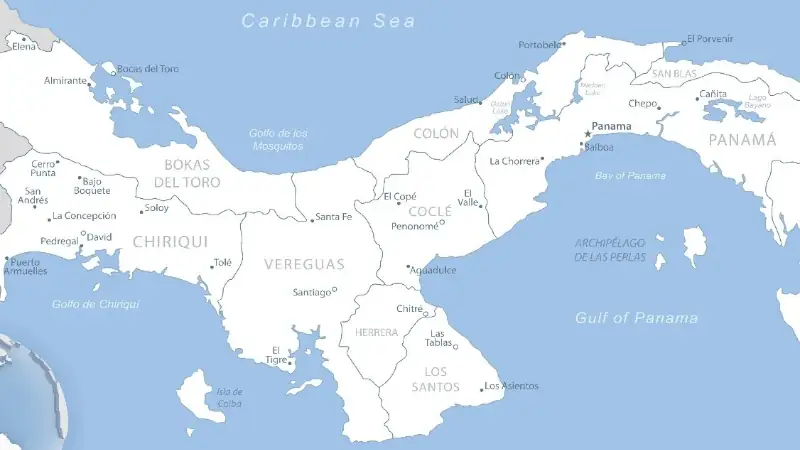
From Panama City to the City Beaches… from Boquete to Bocas… from Las Tablas to Venao… from Santiago to Santa Fe… from Mariato to Quebro… and everywhere in between… nobody is more connected on the ground.

	Map of Panama showing its provinces, major cities, and surrounding seas.

As always, all those folks who’ve become trusted colleagues and good friends all across this country—I’m speaking of attorneys, bankers, tax pros, business builders, property agents, insurance agents, property managers, doctors, shippers, developers, Spanish-language teachers, representatives from the Rotary, representatives from the Lions Club, representatives from the Johns Hopkins-affiliated Punta Paitilla Hospital… plus more than one-dozen expats currently living and retired in key locations across this beautiful country…

They will all convene altogether under one roof for all three days of my 2027 Live And Invest In Panama Conference.

All throughout those three days, my team will be at the service of every attendee in the room for this signature event.

The experts and expats in residence will share their expertise, their experience, their wisdom, their recommendations, and, most important, their cautions and caveats…

They’ll tell their tales. The unvarnished truth. That’s what you get at any event I host—the good, the bad, and the what did you just say… that can’t really be the way things are done here, can it?!

If you’re looking at living, retiring, or investing in Panama (as I strongly believe anyone who’d like to live better while also increasing their personal bottom line should be), you want to be in the room with us for these three days…

Because these three days of panel discussions, interactive conversation, and human-to-human Q&A will save you time, money, and missteps.

If you have any Panama-related agenda, these could be three of the best-spent days of your life.

But how much fun is it, let’s be honest, to sit in a conference room learning about Panama… when you could be out and about seeing Panama?

We do everything we can to keep things interesting. Open bar cocktail receptions, traditional Panamanian entertainers, prize drawings… having a good time is definitely part of our objective.

Still, every time you look out the conference hotel window, you’ll be reminded that… well… you’re in a conference hotel…

And just outside that window is… Panama!

So for my 2027 Live And Invest In Panama Conference, taking place Jan. 20-22, I’ve asked my team to help me create opportunities for you to discover Panama firsthand.

The invitation on offer is no longer come on down and find out why you should be spending time and money in Panama.

I’ve extended that invitation for a good long while now… and it was great. But not enough.

Now we’re inviting you to come on down and experience Panama.

This next-level invitation comes in several parts.

Specifically, we’ve conceived five opportunities for you to get to know Panama up close and personal.

Join us for one or two or three pieces of the program… or, better, sign on for the full Monty!

Specifically, here’s what I propose:

Jan. 16 to 18: Discover Panama’s Secret Veraguas Sunset Coast

	Tropical beach at sunset with ocean waves, silhouetted trees, and dramatic clouds.

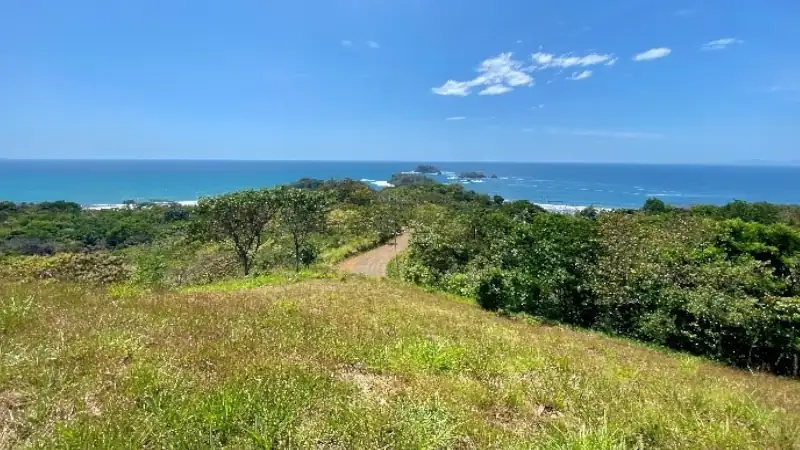
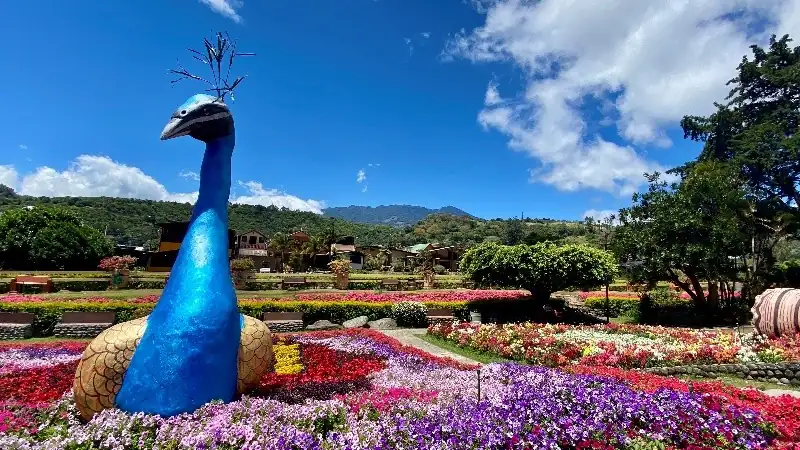
For this pre-conference tour you’ll travel down the western coast of Panama’s Azuero Peninsula to discover one of this country’s least-known and least-developed regions. The Veraguas Pacific coast is a virgin land where Mother Nature shows off.

Specifically, you’ll explore Los Islotes and its two private beaches. This tour is for anyone who prizes wide-open spaces, privacy, and a chance to create your own reality in the most beautiful natural setting imaginable. Details here.

Jan. 19: Panama City Property Tour—Free For Conference Attendees

	Modern Panama City skyline featuring tall residential and commercial towers beneath a blue sky.

Arrive a day early and give yourself a chance to begin exploring Panama before the conference begins.

This private guided tour will introduce you to Panama City’s best beach as well as the current best city and beach property buys in one fun-filled day.

Every Live And Invest In Panama Conference attendee is invited to participate in this program at no additional cost. Please, come, join us as our guest.

Jan. 20 to 22: The Main Event—My 2027 Live and Invest In Panama Conference!

Scenic waterfront promenade lined with palm trees, overlooking Panama City’s dense skyline.

The main event, of course, is the biggest and most important Panama conference available anywhere and two-and-a-half decades in the making. Join me and my entire Panama team in person for three action-packed days. This everything-you-need-to-know-about-Panama event sells out so reserve your place now while the Early Bird Discount is in effect.

Start Your New Life Overseas Today!
Sign up for our free daily e-letter, Overseas Opportunity Letter, and we'll send you a FREE report on the 12 Best Places To Retire Overseas In 2026.
We Value Your Privacy! We will not share your email address with anyone else, period.


Jan. 22 and 23: Elite Attendee Access—Tour Of The Panama Canal, Casco Viejo, And Our Favorite Panama City Neighborhoods

Elegant colonial architecture in Panama, showcasing a beautifully preserved white building, ornate balconies, tropical greenery, and a bright Caribbean sky.

After the final day of the three-day conference concludes, our Elite Attendees will meet in the lobby of the Sortis Hotel before setting off on a guided tour of the Panama Canal (because, well, you’re in Panama… you’ve got to go to see the Canal, right?)…

From there, we’ll move to Panama’s old town, the most romantic spot in Panama’s capital city.

The historic Spanish-, French-, and American-colonial enclave known as Casco Viejo is my favorite part of Panama City.

Let us show it to you as it’s meant to be seen… on foot, with a guide, at sunset.

Casco Viejo is enjoying a renaissance. Many of the centuries-old structures have been lovingly restored and converted to restaurants, bars, art galleries, and shops.

A vibrant colonial street in Panama featuring blue-and-white architecture, ornate ironwork, colorful decorations, and charming local storefronts.

Our group will wander neighborhood to neighborhood, to and through the 17th- and 18th-century squares and the historic churches of this UNESCO-protected site. We’ll finish our private walking tour with a drink and a snack at one of our favorite Casco night spots.

Then, the next morning, our Elite Attendees will gather once more for a full day out and about across Panama City on a private tour of our favorite Panama City neighborhoods to help you decide where in this city might be the best fit for you.

Details on how to join us as an Elite Attendee are here.

Jan. 24 to 28: Five-Day, Four-Night Relocation Discovery Tour Of Panama’s Pacific Riviera

Breathtaking panoramic view of Panama’s tropical coastline, with turquoise Caribbean waters, lush greenery, sandy beaches, and a scenic city skyline.

For the first time ever, we will follow our Live And Invest In Panama Conference with a five-day, four-night Relocation Discovery Tour of Panama’s top coastal lifestyle options.

Join a small group of fellow attendees to hit the road post-conference to discover together Panama’s renowned Pacific Riviera.

Both a private driver and a concierge guide will escort you every step of the way for this immersive experience to help you consider, compare, and contrast Panama’s most desirable beach communities and residential lifestyle choices from Punta Caelo, Ensenada, and Casamar to Riomar, Vistamar, Coronado, and Buenaventura.

The tour includes accommodation (three nights in Coronado and one night in Panama City), all ground transportation, and most meals, including Welcome and Farewell dinners… as well as all guided excursions and the full-time support of your concierge tour director.

If you’re considering retirement, a second home, a real estate investment, or a full relocation in Panama, you need to explore your best options for yourself.

This is your chance.

Our first-ever Panama Relocation Discovery Tour can accommodate only 20 attendees. These places will fill very quickly. Details are here.

OK… to regroup… here’s what’s on the table…

It amounts to the best introduction imaginable to the world’s best place to live, retire, and invest overseas.

Join us in Panama to explore it’s hidden Veraguas coast (Jan. 16-18)…

To enjoy a day on a white-sand beach just 10 minutes from downtown Panama City (Jan. 19)… Remember that this private excursion is free for every conference attendee…

To meet, mix, and mingle in person with me, my entire Panama team, current Panama expats, and a whole lot of your fellow Live And Invest Overseas readers at my 2027 Live And Invest In Panama Conference (Jan. 20-22)…

To enjoy a private tour of the Panama Canal, a guided walking tour at sunset of Casco Viejo, and insider access to our favorite neighborhoods across Panama City as an Elite Conference Attendee (Jan. 22-23)…

To explore Panama’s renowned Pacific Riviera with a concierge guide. This first-ever Panama Relocation Discovery Tour is your chance to consider, compare, and contrast Panama’s most desirable Pacific beach residential communities firsthand (Jan. 24-28).

All in, you’re looking at about two weeks in Panama this coming January. I can’t imagine a better way to start your new year…

Or to jumpstart your go-overseas plans.

Can’t manage two weeks away?

No worries. Remember, this invitation is a la carte! Please… come on down to sunny Panama for as much of this adventure as your schedule allows.

If your time is limited, I recommend you join us for my 2027 Live And Invest In Panama Conference as an Elite Attendee. It’s your most efficient option for sizing up all that Panama has to offer you right now.

Plus, it’ll be a really good time. Promise.

I can’t wait to see you then.

Take a look here now for all the details on all that’s on offer!

Until next time,

Kathleen Peddicord Signature

The post The Best Introduction To The World’s Best Place To Live Overseas appeared first on Live and Invest Overseas.
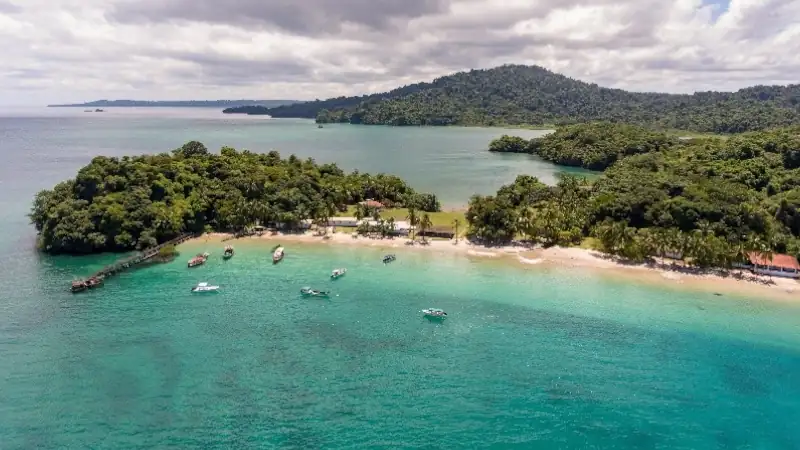
  • ✇Live And Invest Overseas
  • The #1 Thing That Turns Dreams To Reality Kathleen Peddicord
    If I had to name one thing that could make the difference between making your living, retiring, or investing in Panama dreams come true… and risking a disappointing, maybe even doomed experience, it’d be… Connections. As you work on your Panama plan, focus on making the right connections. I’m talking about…  Connections with experts—professionals with long experience helping others like you do the things you’re considering doing in this country. Who has the authority, judgment, and e
     

The #1 Thing That Turns Dreams To Reality

1 September 2026 at 08:00

If I had to name one thing that could make the difference between making your living, retiring, or investing in Panama dreams come true… and risking a disappointing, maybe even doomed experience, it’d be…

Connections.

As you work on your Panama plan, focus on making the right connections. I’m talking about… 

Connections with experts—professionals with long experience helping others like you do the things you’re considering doing in this country.

Who has the authority, judgment, and experience to help you navigate the local landscape safely, efficiently, and with maximum success?

Identify as many on-the scene, English-speaking experts as you can, including lawyers, tax pros, medical professionals, shipping agents, bankers, real estate agents, developers, etc.

Whatever you’re hoping to do in this country, you’ll need an infrastructure of serious people who understand the challenges that expat retirees and investors face here…

Connections with expats—people just like you who have already made a move or an investment in Panama.

To maximize your chances of success and minimize frustration along the way, you need to connect with both professional local experts and, just as important, expats with boots-on-the-ground knowledge about how best to capitalize on the many opportunities Panama offers. Who knows better how to do what you’re thinking you want to do in Panama than other people like you who’ve already done it?

Connections with like-minded folks—more people like you who share your dreams and ideas but who, again, like you, haven’t yet made the leap. More people than ever are considering moving to Panama, in retirement or even decades before conventional retirement age. These folks can provide great support for you… as you can for them.

While your family and friends might find your live-, retire-, and invest in-Panama inclinations silly or even batty, many thousands of other folks do not. Many thousands of folks are thinking the way you’re thinking and are also seeking a new, better, and more diversified life down here in the Hub of the Americas.

These folks, who have so much in common with you, could be sounding boards for your plans and ideas and maybe even potential travel partners. Some could even become your new neighbors…

Start Your New Life Overseas Today!
Sign up for our free daily e-letter, Overseas Opportunity Letter, and we'll send you a FREE report on the 12 Best Places To Retire Overseas In 2026.
We Value Your Privacy! We will not share your email address with anyone else, period.


Connections with me and my team—You could make a move or an investment in Panama without enlisting our direct help. But why make things harder for yourself than they need to be?

Honestly, retiring, relocating, investing, or starting a new business anywhere, including Panama, comes with complications, challenges, frustrations, and pitfalls. But you have an option that can greatly reduce your risk, and the amount of effort required. This option can make your move or your investment in Panama easier, more efficient, and less costly… not to mention a whole lot more fun.

The best way to take advantage of all the hard-won knowledge and wisdom of me and my team… in effect goof-proofing your move to your dream place in the Panamanian sun… whether that’s in the mountains, at the beach, in the rain forest, or maybe in Panama City… is to join us for the 2027 Live And Invest In Panama Conference.

What Panama adventures would suit you best? Only you can answer that question.

What I can tell you is that no matter who you are… Whether you’re in your 20s or your 80s or anywhere in between… Whether you’re single or married… Whether you have health concerns… Whether you have kids to raise (and find good schools for)… Whether you’re looking to retire or to invest or start a business…

You could improve and enrich your lifestyle dramatically while perhaps reducing your cost of living significantly by reinventing your life in Panama.

Our Live And Invest In Panama Conference is your most efficient chance to compare, consider, and filter all of your best opportunities for living and investing in this dynamic little country.

And the 2027 program is jam-packed with opportunities for you to discover Panama firsthand including an invitation to come discover my own personal paradise on the country’s untamed Veraguas Coast—Los Islotes—and a four-night Relocation Discovery Tour of Panama’s top coastal lifestyle options.

Plus, real estate tours, a sunset jaunt to Casco Viejo, the most romantic spot in the country’s capital city, and of course, a tour of the Panama Canal.

It’s all yours for the taking…

Please, leverage our decades of experience to formulate your plan and make your Panama dreams a reality and join me in January for the 2027 Live And Invest In Panama Conference.

Until next time,

Kathleen Peddicord Signature

The post The #1 Thing That Turns Dreams To Reality appeared first on Live and Invest Overseas.
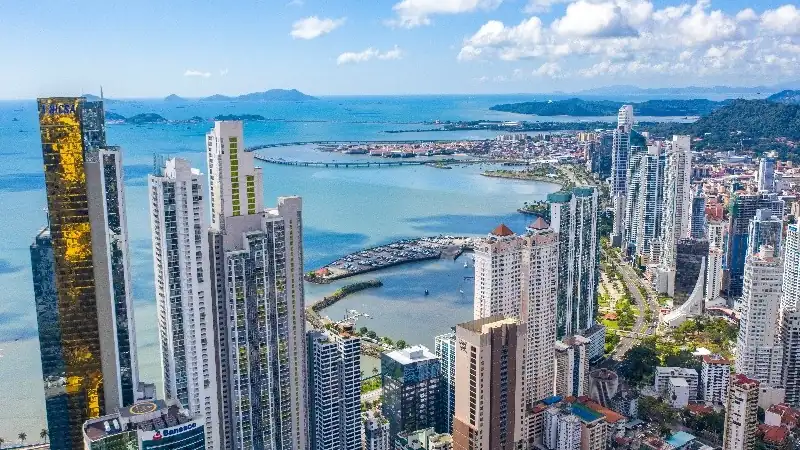
  • ✇Live And Invest Overseas
  • Paradise Found Geraldine Gonzalez
    How do you know when you’ve found paradise? This question isn’t easy to answer, and responses vary person to person…  For residents of Los Islotes, paradise is found past the hustle and bustle of Panama City… beyond the winding roads that lead through the interior… and past the small villages of the Panamanian countryside that seem lost in time… It’s found when they reach the grand gate at the Los Islotes entrance. You can tell that something special is on the other side by how detailed th
     

Paradise Found

31 August 2026 at 08:30

How do you know when you’ve found paradise? This question isn’t easy to answer, and responses vary person to person… 

For residents of Los Islotes, paradise is found past the hustle and bustle of Panama City… beyond the winding roads that lead through the interior… and past the small villages of the Panamanian countryside that seem lost in time…

It’s found when they reach the grand gate at the Los Islotes entrance. You can tell that something special is on the other side by how detailed the gate is, with a beautifully carved tree to the side displaying Veraguas Province’s history.

What lies beyond the gate? 

Panoramic coastal view of Los Islotes with tropical greenery, rolling hills, and rocky islets surrounded by the Pacific Ocean under a clear blue sky.

A state-of-the-art residential development where timeless, Spanish-colonial-style architecture punctuates the lush, rolling hills and the world’s best ocean views lie beyond every bend. 

Today we’re going to take a look at the paradise that is Los Islotes… a bastion of privacy and luxury in perfect harmony with nature. 

Where Is Los Islotes?

Los Islotes is found near the southern tip of the Veraguas Province in south-central Panama. It lies on the west coast of the Azuero Peninsula, a large piece of land that juts out into the Pacific Ocean.

This map shows the location of Los Islotes in Panama, marked on the southern coast of the Azuero Peninsula, southwest of Panama City.

Here’s a zoomed-out view of Los Islotes’ location…

The west coast of the Azuero Peninsula is little-known… not even many Panamanians are familiar with it or have traveled here. It’s far more rugged and untouched than the east coast of the Azuero, which has several popular towns (like Chitré, Las Tablas, and Pedasí). 

The most developed area on the west coast is Torio, which is about a 30-minute drive north of Los Islotes. It has a fairly developed expat community, made up of mostly retirees, although younger folks are starting to move in.

You won’t have much trouble getting to know other expats in the area. A group of 20 to 30 people get together for trivia and themed game nights at different restaurants.

A Rising Tide Lifts All Boats

Los Islotes is a private master-planned residential community designed with high-end amenities for maximum comfort… the only of its kind and caliber in the area…

Luxury hillside villa in Los Islotes featuring an infinity pool, stone patio, lounge chairs, and pergola seating overlooking lush tropical greenery under a bright blue sky.
Adobestock/LIOS Stock

More than a development, it’s a private community for like-minded people who value privacy, security, freedom, independence, and elbow room…

All infrastructure—including the best internet, electricity, water, roads, and drainage on this coast—has already been installed. There’s 24-hour security, so you don’t need to worry about your property when you’re not around.

Start Your New Life Overseas Today!
Sign up for our free daily e-letter, Overseas Opportunity Letter, and we'll send you a FREE report on the 12 Best Places To Retire Overseas In 2026.
We Value Your Privacy! We will not share your email address with anyone else, period.


And a small handful of homes have already been built, each with the traditional Spanish-colonial style. An equestrian center, beach bar, community garden, and hiking trails are already in place.

Upcoming amenities include the development of a Town Center and Spanish colonial-style church, as well as a library, a student learning center for the local Quebro community, and an expanded version of the already-built museum. 

As the country progresses, so too will this area of Veraguas. Recently, nearby Bramador Plaza is a hotel, grocery store, gas station, and more, bringing more amenities closer to Los Islotes.

Tropical pool area with stone patios, red-tiled roofs, and lush surroundings.

What’s There To Do At Los Islotes?

All kinds of activities are available on-site at Los Islotes, which was designed with community and comfort in mind.

Hiking, hill-top yoga, horse-back riding, paddleboarding in the estuary while trying to spot monkeys, barbecuing at the beach, kayaking, taking on the waves at Surfer’s Beach, volleyball, or simply swinging in a hammock… There are plenty of ways to have fun at Los Islotes.

The property is on a prime piece of real estate that boasts two beaches: Playa del Sol with calm waters ideal for swimming and Surfer’s Beach with powerful crashing waves. Here you find Panama Jack’s Beach Bar, a well-equipped outpost and the perfect place to watch the sunset.

Relaxed open-air bar overlooking the pool, with guests enjoying drinks and snacks.

There’s also an estuary with a dock next to Mango Village where you can launch a kayak or paddleboard. Lined by mangroves with crystal-clear waters, the estuary is the best place to spot sea turtles gliding through the calm waters and capuchin monkeys swinging through the trees overhead. 

Rustic wooden dock extending into a calm, lush tropical lagoon.

Nature thrives in this unspoiled part of the world. Just offshore, you can go fishing or scuba dive or snorkel. You can even go whale-watching in season. And without any light pollution, Los Islotes offers unmatched stargazing opportunities.

How To Become Part Of Los Islotes

After almost 20 years of enjoying their personal getaway and working hard to transform this untamed parcel of land into a welcoming community, founders Kathleen Peddicord and Lief Simon opened the doors to new residents.

A variety of property options are available. Go here now for full details, floor plans, and everything else you need to know if this could be your overseas paradise.

Could Los Islotes Be For You?

Los Islotes needs to be experienced to be fully understood… no words could possibly do justice to the beauty of the landscape, peaceful atmosphere, and cotton-candy sunsets. 

Being in Los Islotes, removed from the chaos of the world, delivers a boost of energy you didn’t even know you needed… 

You’ll find yourself naturally becoming a morning person, getting up with the sun because of how well rested you feel… You’ll go to sleep under the glitter of stars… and you’ll connect with nature in more ways than you could possibly imagine.

This is an opportunity for luxury and seclusion in the most beautiful place on earth.

If you value privacy, respect nature, and like to live in comfort and seclusion, Los Islotes is calling you…

Want To Visit Los Islotes? Discover Panama’s Secret Veraguas Sunset Coast

On Jan. 16 to 18, 2027, we will host a pre-conference tour where you’ll travel down the western coast of Panama’s Azuero Peninsula to discover one of this country’s least-known and least-developed regions. The Veraguas Pacific coast is a virgin land where Mother Nature shows off. 

Specifically, you’ll explore Los Islotes and its two private beaches. This tour is for anyone who prizes wide-open spaces, privacy, and a chance to create your own reality in the most beautiful natural setting imaginable.

Join us before our 2027 Live and Invest In Panama Conference. Get all the details, here.

geraldine gonzalez panama leter signature with link

The post Paradise Found appeared first on Live and Invest Overseas.
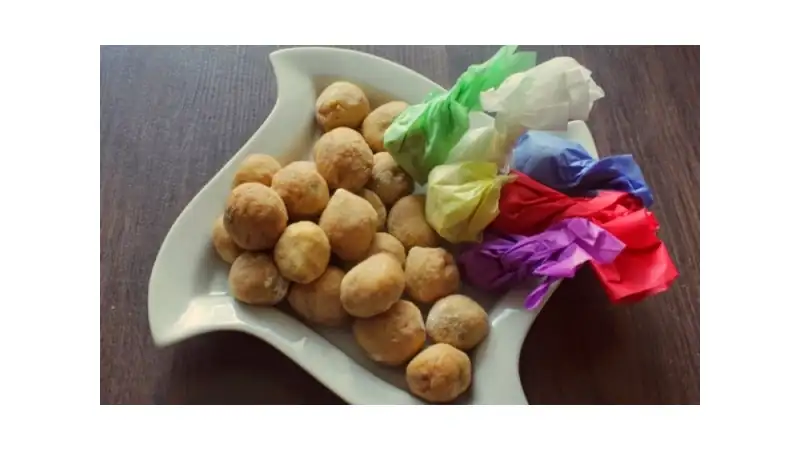
  • ✇Live And Invest Overseas
  • 3 Walkable Panama Communities Mónica Linares
    For anyone moving abroad, an area’s walkability is more than a nice perk… it’s an important factor in choosing where to live. When you can walk to a café in the morning, go to a nearby grocery store, and meet friends for dinner nearby, all without a car, or just enjoy daily life on foot, it can exponentially change how a place feels.  For retirees, walkability means greater independence, especially over the long term. For younger families and remote workers, it can create a strong sense of
     

3 Walkable Panama Communities

28 August 2026 at 08:00

For anyone moving abroad, an area’s walkability is more than a nice perk… it’s an important factor in choosing where to live.

When you can walk to a café in the morning, go to a nearby grocery store, and meet friends for dinner nearby, all without a car, or just enjoy daily life on foot, it can exponentially change how a place feels. 

For retirees, walkability means greater independence, especially over the long term. For younger families and remote workers, it can create a strong sense of community and healthier day-to-day life.

But Panama has a multitude of lifestyles in one little country, so walkability in each city, town, and neighborhood offers different things. A walkable neighborhood in Panama City is not the same as a walkable beach community or mountain town. Choosing your destination will depend on your priorities.

Panama remains a mostly car-dependent country, and you’ll need to consider your daily routines and needs. In many cases, sidewalks are not available or properly built, making it difficult for someone with mobility issues or families with strollers to use them. The humidity and heat in most of Panama can make you detest walking, and some communities that at first may appear walkable are very spread out. 

All this said, Panama still has several areas where you can manage without a car. Let’s take a look at some of the best walkable communities in Panama for expats that seek convenience, closeness, and a small-town feel…

El Cangrejo, Panama City

One of our favorite neighborhoods in Panama City and home to the Live And Invest Overseas HQ, is El Cangrejo. 

A fan favorite among locals and expats, El Cangrejo is in the heart of Panama City. This is a neighborhood for those who want to access the city’s conveniences without feeling trapped in a corporate environment. 

This area has tree-lined streets, mostly mid-rise apartment buildings, cafés, bakeries, and small shops… giving the opportunity for residents to walk naturally. Most of the capital is car-oriented, but El Cangrejo prioritizes the pedestrian. Sidewalks are continuous and spacious, daily necessities are close together, and the density creates a vivid and active environment.

In El Cangrejo you will find pharmacies, gyms, coffee shops, convenience stores, restaurants, bars, salons, pet stores, clinics, and more all just in the same street or a few blocks from each other. By living here, you also have close access to the Metro system, which makes it possible to easily move around different parts of the city without driving. 

The social aspect of the neighborhood is a big draw for people. It blends local Panamanian life with an international feel… you can notice by walking around that there is an interesting mix of cultures and lifestyles. Remote workers will enjoy the reliable internet, abundant options for co-working settings, and easy access to services, compared to other popular but isolated destinations. 

When looking for housing, you’ll find older, more affordable apartments, and newer high-rise buildings with modern amenities. Rental prices have increased throughout the years, but it’s still a more affordable option than luxury neighborhoods like Punta Pacífica or Costa del Este.

You can find smaller, one-to-two-bedroom apartments, both older and more modern, in the $800 to $1,200 monthly range. More inventory is available for bigger apartments in the $1,300 to $2,500 monthly range.

Boquete, Chiriquí

Crowned the best place to retire in 2026 in our most recent Retirement Overseas Index, Boquete cannot be left off this list. Nestled in the highlands of the Chiriquí province, Boquete offers a community-oriented lifestyle in a compact mountain town center.

Boquete has a cooler climate than most regions of Panama, and this changes the walkability game immensely. Its springlike temperatures make walking a truly pleasant experience throughout most of the days, most of the year. Residents in town can stroll between cafés, restaurants, markets, and small shops while enjoying the surrounding mountain views and greenery.

A vibrant blue peacock sculpture surrounded by colorful flowers in a landscaped garden, with lush mountains and a bright blue sky in the background.

Downtown Boquete is relatively small, allowing to run daily errands on foot. You can find restaurants, pharmacies, banks, grocery stores, and local markets concentrated within a manageable walking distance. The town regularly hosts farmers’ markets and community events that also encourage pedestrian activity and social interaction.

Boquete has its limitations. Downtown might be manageable on foot, but many homes and neighborhoods, especially those popular with expats, are located in the hills that surround the town. These are steep areas and can be all the way from 10 to 30 minutes away by car. The good thing is that taxis and buses are available should you opt to just rely on public transportation.

Start Your New Life Overseas Today!
Sign up for our free daily e-letter, Overseas Opportunity Letter, and we'll send you a FREE report on the 12 Best Places To Retire Overseas In 2026.
We Value Your Privacy! We will not share your email address with anyone else, period.


Pedasí, Los Santos

Pedasí offers one of Panama’s most appealing coastal lifestyles that is still walkable. If you dream of relaxing beach living, this might be the place for you.

Found in the Azuero Peninsula, this town has evolved over the past decade from a quiet fishing town into one of Panama’s best lifestyle destinations. Even though it’s growing in popularity, the town has preserved its laid-back character and small community feel. When you enter Pedasí, the highway becomes the main street. It’s lined with row houses not typically found in Panama making for a tranquil, beautiful, and rather unique town.

Pedasi’s walkability comes from its compact scale. This is not a town built around gated communities and highways. The town center has a traditional plaza at its center, with restaurants, cafés, bakeries, small grocery stores, and local businesses located within a relatively short distance of one another.

You come here for a slow-paced life. Residents will walk or bike through town, and gather in the cafés, restaurants, and bars. You may even see some locals still traveling by horseback from time to time.

Sincerely,

Monica linares signature

The post 3 Walkable Panama Communities appeared first on Live and Invest Overseas.
  • ✇Live And Invest Overseas
  • The Ultimate EU Health Handbook Kat Kalashian
    Out of the hundreds of emails we get from readers every day, at least a dozen are to do with international health care—how do you access it, how much is insurance, what about age limits, etc.? In fact, our recent survey shows that 6 in 10 Live And Invest Overseas readers are considering going overseas for medical or dental care due to cost. Health care in Europe (and overseas in general) is typically a fraction of the cost as in America, and access is usually universal—even for foreign res
     

The Ultimate EU Health Handbook

27 August 2026 at 08:30

Out of the hundreds of emails we get from readers every day, at least a dozen are to do with international health care—how do you access it, how much is insurance, what about age limits, etc.?

In fact, our recent survey shows that 6 in 10 Live And Invest Overseas readers are considering going overseas for medical or dental care due to cost.

Health care in Europe (and overseas in general) is typically a fraction of the cost as in America, and access is usually universal—even for foreign residents.

So ask yourself… what would your retirement look like if health care weren’t something you had to worry about…?

When you move to Europe, you’ll discover that a routine doctor’s visit costs less than dinner out, prescriptions are a fraction of U.S. prices, and health insurance no longer dictates your life…

For Americans used to navigating high costs, complicated insurance, and the fear of an unexpected medical bill, Europe can offer a very different experience.

But “European health care” isn’t one homogenous thing, and figuring out any given system takes a little bit of know-how.

This month’s issue of Europe Uncovered is dedicated to giving you just that…

This is an in-depth guide to health care in five of the most popular countries for Americans abroad—France, Spain, Greece, Italy, and Portugal.

But we go beyond the basics of the simple process—that is, how each system works—and dive into the reality of what it’s like to be an expat seeking medical care in a foreign country.

Five sets of expats who have actually used the systems in each country weigh in on their experiences and how they compared to back home—including insider details on access, quality of care, copays, costs, and comparisons.

They share what surprised them, what worked beautifully, where they ran into frustrations, and what they wish they’d known before they needed care.

Because it’s one thing to read about health care overseas (or ask AI for a summary of a foreign health care system)…

It’s another thing entirely to know what it feels like when you actually need it.

Here’s a few snippets of stories expats have shared with me for this report…

What It’s Really Like

Mary’s France Story

Mary Kisinger moved to Montpellier in the South of France in late 2025. Even though she hasn’t even celebrated her one-year anniversary, she’s already had plenty of experience with the local health care system…

“In April I had an unexpected trip to the ER in France.

“I did not yet have my Carte Vitale (French health card), which meant I would pay for this emergency visit from my own pocket. I was very worried about the cost.

“No payment was required that night at the hospital, so I was still dreading that bill.

“Two weeks later I received that dreaded bill… for 257 euros for all the medical services, including the two scans, hospital-administered pain meds, and doctor’s consultation.

“I literally laughed out loud! My previous U.S. hospital procedure was a colonoscopy (granted, not exactly comparable, but the only thing I have to compare), and my bill, with Medicare, was $14,000! I did not add an extra zero to that amount.

“I’ll take the French system any day over the U.S.!”

Micah’s Spain Story

“For our specific visas to live in Spain, we were required to purchase private insurance. Private insurance! Oh no! In the U.S. insurance is crazy expensive, but as it turns out, that is not the case in Spain. For a family of four, for an entire year, the bill was about $2,800, or to put that in terms of American health care, about 2.5 months of what it would cost us through my wife’s employer.

“But there’s more! Or rather, there’s no more! Whereas in the U.S. you are still on the hook for co-pays, deductibles, and the like, in Spain, for the most part, our plan required very little additional out-of-pocket expenses.

“Here’s a specific example—our son needed to have ear surgery. We decided to have this done in Spain, and we spent exactly zero dollars on the procedure, which included pre- and follow-up appointments as well as a one-day hospital stay.

“The fact that we don’t have to pay any out-of-pocket costs to go see a doctor has made decisions to seek medical care much easier—we never have to weigh up whether we need treatment or if we should just try to “tough it out”—an occurrence that takes place far too often in the U.S., often with tragic results. Medicines are reasonably priced as well, most prescriptions we’ve had to fill have rarely if ever cost more than $20 if that.”

Su’s Italy Story

“In Italy, health care is generally more affordable than it is in the U.S., but the quality and availability of services vary.

“Every resident in Italy is entitled to a health card that entitles you to free visits with your medico di base (primary care physician) and free or discounted tests and procedures.

“If there is a fee for a service, it’s usually under 50 euros. You pay a ticket sanitario, which is a bit like a co-pay, but ultimately it is far less than the full price of the service. Many prescription drugs are free; others are heavily subsidized.

“The maximum expats pay is 2,788.87 euros per year currently.

“I have my general practitionerthrough the SSN system, so I don’t pay for visits. She’s also fairly responsive via WhatsApp, which is surprising to me, since no American doctor was ever reachable without an appointment! If I need a prescription without it being necessary to have a visit, I just text her, and she sends me the prescription.

“For appointments that are more urgent than the Italian health system can accommodate, I go to a private facility and pay out of pocket. I’ve done this for various imaging services, and I pay to see my gynecologist; otherwise, I’d end up seeing a different doctor every visit.

“Even paying out of pocket is so much more affordable than the private health care I was paying for in the U.S. as a freelancer.”

Joch’s Portugal Story

“Sleepless nights. Many sleepless nights.

“Anxiety about the costs of quality health care led to sleepless nights as I approached 70. Jeff and I lived in northern California. I feared I could not afford to stop working. If a catastrophic health issue arrived, would escalating costs bankrupt us?

“We did some research and decided a move to Portugal was the answer to our problems.

“Portugal’s health system is ranked the 9th best in Europe and 12th in the world.

Portugal’s hospital network offers modern, well-equipped units, and at least 90% of all doctors are English-speaking. Specialty consultations at a public hospital will cost you about 8 euros and emergencies about 20 euros.

“In 2019 residing in California, Jeff and I paid over $12,000 a year for health insurance (salary deductions plus co-pays). I’m told that figure today can reach $19,000 a year for an individual. Our Portuguese private medical insurance is less than $1,000 a year.

“Yes—we reduced our health care costs by 92%!

“My private health insurance this year is 32 euros per month. Specialty consultations are at least 50% covered by insurance, meaning you pay less than half the total cost of the appointment. For example, an average specialty consultation costs about 80 euros; with insurance you pay only 35 euros.”

Start Your New Life Overseas Today!
Sign up for our free daily e-letter, Overseas Opportunity Letter, and we'll send you a FREE report on the 12 Best Places To Retire Overseas In 2026.
We Value Your Privacy! We will not share your email address with anyone else, period.


Jackie’s Greece Story

“I watched images on the monitor of my husband’s beating heart while the cardiologist completed the exam using modern computerized equipment. It was nearly 7 p.m., evening to our way of thinking, afternoon as it is considered in Greece.

“Back in Washington State, from where we hail, an appointment this late in the day would have constituted an emergency, but here regular office hours can run until 10 p.m.

“And America’s privacy laws would have certainly kept me in the waiting room, unlike here where it is expected that family members who accompany patients to appointments will sit in on them as well.

“There’s no doubt about it; our Greek health care has been different from that which we’ve experienced in the States.

“It is less expensive.

“More thorough.

“More expedient.

“Personalized and caring.

“Joel’s cardiology checkup was a prerequisite for his cataract surgery the following week. Such an exam is generally required prior to medical procedures (cataract surgeries, knee and hip replacements, for example) that might involve an anesthetic.

“This appointment included a dual blood pressure test, EKG, and an ultrasound of the heart, all of which took the better part of an hour. It was all conducted by the doctor and the cost was 70 euros (about $80).

“Joel’s recent cataract surgeries were performed a week apart in a recently opened eye surgery center in Kalamata. The cost of two surgeries was 2,500 euros, and includes three follow up visits—the final one six months from now. My eye exam was 50 euros.”

Bonne route,

kat kalashian signature

The post The Ultimate EU Health Handbook appeared first on Live and Invest Overseas.

Received — 27 August 2026 ⏭ Live And Invest Overseas
  • ✇Live And Invest Overseas
  • In Photos: Panama’s Secret Beaches Mónica Linares
    Panama is famous for its beaches, but if you ask most visitors where to go, you’ll usually hear the same names: Bocas del Toro, the San Blas Islands, Playa Blanca, or Coronado. These places have beautiful beaches, but they’re also well-known and often crowded. The reality is that Panama’s coastline stretches for more than 2,400 kilometers across both the Pacific and Caribbean, and tucked along those shores are dozens of quiet beaches that even many long-time residents have never visited. F
     

In Photos: Panama’s Secret Beaches

27 August 2026 at 08:00

Panama is famous for its beaches, but if you ask most visitors where to go, you’ll usually hear the same names: Bocas del Toro, the San Blas Islands, Playa Blanca, or Coronado.

These places have beautiful beaches, but they’re also well-known and often crowded. The reality is that Panama’s coastline stretches for more than 2,400 kilometers across both the Pacific and Caribbean, and tucked along those shores are dozens of quiet beaches that even many long-time residents have never visited.

For expats living in Panama, discovering these hidden stretches of sand can feel like unlocking a secret side of the country. Some require a dirt road and a sense of adventure to reach.

Others are surprisingly close to Panama City but remain overlooked because they sit just beyond the usual beach towns.

And a few are so remote that you may find yourself sharing the shoreline with nothing but fishermen, seabirds, and the occasional pelican flying low over the water.

If you’re willing to venture a little off the typical expat circuit, these beaches offer something special: wide empty shores, dramatic cliffs, jungle-backed coastlines, and waters that range from calm turquoise to rolling Pacific surf. Some have a handful of rustic restaurants or small hotels, while others are completely off-grid… meaning you’ll want to bring your own supplies and plan ahead.

Aerial view of a tropical beach in Panama, surrounded by turquoise Caribbean waters, lush rainforest, and forested islands.

Here are several underrated beaches that you may soon want to add to your weekend escape list.

1. Playa Reina (Veraguas)

Playa Reina sits along the Pacific coast of Veraguas Province, about 30 minutes from the town of Mariato and roughly two hours south of Santiago.

This is one of those beaches that feels almost untouched. The shoreline stretches for miles, backed by lush green hills and scattered palm trees. The sand is dark and volcanic, typical of many Pacific beaches in Panama, and the waves can be strong, making it popular with surfers and adventurous travelers looking for a quiet coastline.

What makes Playa Reina stand out is how empty it feels. Some days, you can walk for long stretches without seeing another person. It’s the kind of place where fishermen launch small boats in the morning and where sunsets stretch wide across the Pacific horizon.

Playa Reina is mostly off-grid. A few small eco-lodges and guesthouses are nearby, but you won’t find large resorts, beach clubs, or supermarkets.

2. Isla Cébaco (Veraguas)

Isla Cébaco lies off the Pacific coast of Veraguas, just south of Coiba National Park.

Unlike more developed island destinations in Panama, Isla Cébaco isn’t about one famous, clearly marked beach… it’s about discovery. The island is large, sparsely populated, and edged with a mix of rugged coastline and small, hidden coves that feel completely untouched.

One of the most talked-about spots is Playita, a small white-sand cove with clear turquoise water and jungle pressing right up to the shoreline. It’s the kind of beach you picture when you think of a deserted island: quiet, swimmable, and framed by thick tropical greenery. Beyond Playita, the island offers a variety of landscapes, from darker-sand beaches with stronger surf to rocky stretches with natural tide pools and views out toward the open Pacific.

What makes Cébaco special is how raw it feels. It doesn’t have crowds or beach clubs and has very little infrastructure. On most days, the only sounds you’ll hear are waves, birds, and the occasional fishing boat passing offshore.

This island is mostly off-grid. You’ll find a handful of small, family-run accommodations and eco-lodges scattered around the island, often with limited and basic services. Don’t expect restaurants, shops, or nightlife… this is a place to disconnect.

3. Playa Morillo (Veraguas)

Playa Morillo lies along the Pacific coast near Santa Catalina in Veraguas Province.

Scenic Panamanian beach lined with coconut palms, calm blue waters, and a tropical coastline beneath a clear sky.

If Santa Catalina feels too busy for you, Playa Morillo is the quieter neighbor. This beach has a dramatic setting: long stretches of sand framed by rocky headlands and tropical forest.

It’s a favorite among surfers thanks to consistent Pacific waves, but it’s still quiet enough that many visitors feel like they’ve stumbled onto a secret. The atmosphere is relaxed and rustic, with fishermen’s boats occasionally dotting the shoreline.

Playa Morrillo is partially developed. It has a few small restaurants and simple lodges, but the vibe remains low-key and uncrowded.

Start Your New Life Overseas Today!
Sign up for our free daily e-letter, Overseas Opportunity Letter, and we'll send you a FREE report on the 12 Best Places To Retire Overseas In 2026.
We Value Your Privacy! We will not share your email address with anyone else, period.


4. Punta Chame

About 90 minutes west of Panama City, Punta Chame is a long peninsula that stretches into the Pacific Ocean.

While many expats know about Coronado or Playa Blanca, Punta Chame often flies under the radar. Yet it offers one of the most striking landscapes on Panama’s Pacific coast: miles of flat sand with views of Cerro Chame rising dramatically in the background.

The beach is wide and breezy, making it one of the country’s best places for kite surfing and paddleboarding. Despite its proximity to the capital, it’s usually far less crowded than neighboring beach towns.

Remote Panamanian coastline featuring a broad sandy beach, mangroves, tidal flats, rocky shoreline, and distant mountains.

The area has moderate amenities. You’ll find small hotels, kite-surf schools, and a few restaurants, but it’s still quieter than nearby beach developments. The road towards Punta Chame is also frequently unpaved, so if you’re using a car to get there, make sure it’s a 4×4 to make the ride easier.

5. Playa El Palmar (Coclé)

Located in Coclé Province near San Carlos, Playa El Palmar is about an hour-and-a-half from Panama City.

Playa El Palmar is one of those beaches locals know well but many foreigners overlook. The sand is dark and soft, and the waves make it popular with surfers while still being calm enough for swimming on many days.

Rugged Panamanian shoreline with dark volcanic-looking pebbles, gentle ocean waves, and a dramatic tropical sky.

Compared to the busier beaches nearby, El Palmar retains a relaxed, community feel. It’s a great place to spend the day walking along the shoreline or enjoying a simple seafood lunch at a beachfront restaurant.

It has moderate amenities. Surf schools, small hotels, and restaurants are nearby.

Find Your Favorite Panama Beach

One of the greatest advantages of living in Panama is how easy it is to escape to the coast. Within a few hours of Panama City, you can find beaches that feel worlds away from crowds and resorts.

Some of these hidden spots require a little extra planning: a boat ride, a dirt road, or a willingness to travel beyond the typical expat beach towns. But that’s part of the reward. On these shores, you’ll often discover something increasingly rare in the modern world… a stretch of sand where the loudest sounds are the waves and the wind in the palm trees.

For expats who enjoy exploring their adopted home, Panama’s lesser-known beaches offer endless possibilities for weekend adventures… and the chance to discover a favorite spot that feels like your own secret.

Sincerely,

Monica linares signature

The post In Photos: Panama’s Secret Beaches appeared first on Live and Invest Overseas.

  • ✇Live And Invest Overseas
  • Health Care In Panama Versus The U.S. Ariel Weinmann-Rubino
    My mom’s knee had been giving her trouble for years. By the time she finally saw a doctor, there was barely any cartilage left—it was just bone grinding on bone. Back in 2021, my parents were living in the Pacific Northwest. My mom’s doctor, chosen because of proximity and her insurance, decided that a knee replacement was her best option. Before the surgery could happen, she had to go through a bunch of tests over a few months with various specialists. After all that, she got the green li
     

Health Care In Panama Versus The U.S.

My mom’s knee had been giving her trouble for years. By the time she finally saw a doctor, there was barely any cartilage left—it was just bone grinding on bone.

Back in 2021, my parents were living in the Pacific Northwest. My mom’s doctor, chosen because of proximity and her insurance, decided that a knee replacement was her best option.

Before the surgery could happen, she had to go through a bunch of tests over a few months with various specialists. After all that, she got the green light for surgery, which was performed by a robot in a little outpatient clinic tucked into a strip mall.

Thankfully, the surgery went well.

The next few weeks were rough, though. My dad, running on fumes, had to give her opioids to manage the pain while she wore compression leggings to reduce the risk of blood clots.

My mom worked with a physical therapist for a few weeks and eventually was able to bend her knee 110 degrees. Both her doctor and the physical therapist called it a huge success.

In October 2023, my parents moved to Panama. By then, the pain in my mom’s other knee was getting unbearable, and it was clear she needed another knee replacement.

After some searching and meeting with different doctors, she found a surgeon in Panama City that she clicked with who used the same robotic system as her first surgery. But, just like before, she needed to be cleared by specialists before they could schedule anything.

To our surprise, unlike the drawn-out process in the United States, my mom got all her appointments scheduled the same day. She even got an appointment with a dentist—something her American doctor hadn’t required.

Lucky for her, the dentist found small fractures in her teeth and a low-grade infection she’d probably had on and off for years. After a week of antibiotics and a recheck, she was cleared for surgery.

On the day of the surgery, we arrived at the hospital to check in. The process took less than an hour and all the paperwork was available in English.

Each patient was assigned a number that was displayed on screens in the waiting room, similar to what you’d find at an airport, allowing us to follow my mom’s progress through the procedure.

A few hours later, the surgeon came out to let us know the operation was a success. Following protocol, my mom stayed under observation for the next two days.

Her hospital room was clean with a great view. Instead of the compression leggings from her first surgery, she got an injection to prevent blood clots. Instead of being dosed with opioids, she had an IV delivering painkillers and antibiotics. When the pain got bad, they gave her oxygen, which actually helped a lot.

After being discharged from the hospital, a physical therapist visited my mom twice a week. Interestingly, the therapist mentioned that the average person could bend their knee 120 degrees after this type of surgery and was a bit concerned that the knee my mom had replaced in the States could only bend to 110.

Fast-forward to today, my mom can walk around the house without help, uses a walker for longer trips like to the mall, and can bend her knee beyond 120 degrees.

It’s kind of incredible that my mom had the same surgery with the same technology in two different countries.

So, what stood out between the two experiences?

First, the American doctor and physical therapist were confident but didn’t seem to have done many knee replacements.

In Panama, my mom was one of six knee surgeries done that day alone, with six more scheduled the next day.

Panama City has a larger population than where my parents lived in the States, and there’s also a lot of medical tourism, which likely explains why the Panamanian team had so much experience.

They seemed more focused on getting my mom up and moving quickly, which might be due to medical tourists needing to recover and head home fast.

Start Your New Life Overseas Today!
Sign up for our free daily e-letter, Overseas Opportunity Letter, and we'll send you a FREE report on the 12 Best Places To Retire Overseas In 2026.
We Value Your Privacy! We will not share your email address with anyone else, period.


Also, back in the States, it felt like my mom’s doctor was more concerned about what her insurance would cover rather than what was best for her.

The knee replacement, which involves replacing the knee with a metal version, was done as an outpatient procedure. She was sent home right after surgery with just pain pills.

In Panama, the doctor seemed to care more about her recovery than anything else.

The surgery was done in a hospital (we even got to choose which one based on our budget), and she was monitored by nurses, doctors, and therapists for a few days.

In Panama, her pain was managed better, and her medication was adjusted based on her needs. The level of care and attention was something we didn’t experience back home, where most of the post-op responsibilities fell on my dad.

For expats—or anyone considering moving to Panama—it’s important to know that while the United States has good medical care, so do other countries, especially Panama.

My mom’s surgeon trained in Panama but learned how to do this particular surgery in Canada and at Oxford. The hospital she underwent surgery in is affiliated with Johns Hopkins, and all of this was for a fraction of what it would’ve cost back in the U.S.

So, if you’re worried about health care in Panama, don’t be. From our experience, you’ll be well taken care of by professionals who know what they’re doing.

Don’t let health care fears hold you back from making the move. You’re in good hands here.

Sincerely, 
Ariel Weinmann-Rubino
Contributor, Overseas Living Letter

The post Health Care In Panama Versus The U.S. appeared first on Live and Invest Overseas.

  • ✇Live And Invest Overseas
  • Seeing Is Believing Kathleen Peddicord
    I’m all in on Panama. I’ve been spending time and money in this country since 1997. Lief and I have been living here full- and part-time since 2008. We’ve raised our son here. Based our business here. Made every kind of property investment it’s possible to make from pre-construction condos to commercial buildings and from productive land to land for banking and the legacy undertaking that is Los Islotes on Panama’s gloriously undiscovered Veraguas Pacific coast. Based on all that exp
     

Seeing Is Believing

1 October 2026 at 08:00

I’m all in on Panama.

I’ve been spending time and money in this country since 1997.

Lief and I have been living here full- and part-time since 2008.

We’ve raised our son here. Based our business here. Made every kind of property investment it’s possible to make from pre-construction condos to commercial buildings and from productive land to land for banking and the legacy undertaking that is Los Islotes on Panama’s gloriously undiscovered Veraguas Pacific coast.

Based on all that experience, what do I say to anyone who asks me what I think of Panama today?

“Get on a plane and come see for yourself,” I suggest.

Because if you aren’t taking a good close look at all that Panama has to offer right now, you’re missing out.

This is true regardless of your agenda.

Whether you’re looking to improve your lifestyle…

To make some money…

Or both…

Panama should be at the top of your list.

Our Live And Invest Overseas business is based in the heart of Panama City. We’re in good company. The Panamanian capital is home to hundreds of international operations, including some of the world’s biggest from Estee Lauder and Nike to Dell, Caterpillar, Nestle, and on and on.

I appreciate the great advantages that Panama offers the globally minded entrepreneur, but, to be honest, I don’t love Panama City.

Panama City is a boom town… crowded, dirty, noisy, and hot.

Our now 27-year-old son, on the other hand, enjoys every chance to return to the town where he grew up. He and his friends from school hit the clubs, the restaurants, the casinos.

Panama City is recognized by his generation and other folks younger than me as Miami South.

My favorite thing about Panama City is driving out of Panama City, across the Bridge Of The Americas, headed west.

Because while Panama City is not my lifestyle cup of tea, life out at Los Islotes, west of the capital and way down at the bottom of the western coast of the Azuero Peninsula, is my definition of paradise. No nightclubs or casinos in these parts. No shopping malls or fast food either. This is a frontier.

Privacy, elbow room, and a chance to create your own reality in the most virgin natural setting imaginable—those are the things that attracted Lief and me to this outpost in the first place and those are the things we most appreciate about this secret coast still.

Panama City is the most developed city in the region and increasingly recognized as a brand-name city on the world stage alongside Miami and Dubai…

Panama City skyline overlooking the Pacific Ocean and modern waterfront high-rises.

Panama’s Veraguas coast is one of the most unspoiled spots on our planet…

Scenic black-sand beach with lush tropical vegetation and mountains in the distance.

In between are just about every other lifestyle option you could be in the market for… from cool, comfortable living among a welcoming community of fellow expats in Panama’s highlands…

Lush countryside with gardens, farmland, and mountain views in Panama.

To beaches that are weekend-commutable, within a couple of hours drive of Panama City…

Panoramic coastal view of Panama from a high-rise balcony overlooking the beach and ocean.

Pounding Pacific beaches that attract the world’s best surfers…

 Surfers walking along a beach at sunset, carrying their boards as golden light reflects on the wet sand.

And tranquil Caribbean beaches ideal for unplugging and recharging…

Crystal-clear turquoise water surrounding a lush tropical island with palm trees and a thatched-roof pavilion.

This little country is hugely diverse not only when it comes to lifestyle. Panama also offers one of the world’s most diversified investment markets.

Start Your New Life Overseas Today!
Sign up for our free daily e-letter, Overseas Opportunity Letter, and we'll send you a FREE report on the 12 Best Places To Retire Overseas In 2026.
We Value Your Privacy! We will not share your email address with anyone else, period.


Venezuelans, Colombians, Hondurans, El Salvadorans, Argentines, and others from across Latin America… when they have capital to safeguard, they put it in Panama.

Americans and Canadians, too, likewise, prize this safe-haven marketplace… alongside the French, the Dutch, the Irish, the Spanish, Norwegians, Brits…

As well as, increasingly, investors from Dubai and across the Middle East…

Anyone anywhere seeking safe harbor… they’re looking to Panama.

I sat down with longtime friend in Panama Jose Bern for a conversation to launch my new Living And Investing Overseas With Kathleen Peddicord podcast. (Subscribe to our YouTube channel to be the first to hear when it’s released.)

Lief, Kathleen and a man posing together on a sandy beach with ocean waves and dramatic clouds in the background.

Jose’s father Herman was one of the first people I met in Panama. Herman took me to see the beach just outside Panama City that he was preparing to develop.

Today, nearly three decades later, that Playa Bonita is a Westin-branded stretch of coastline. We hosted our Beachfront Living Event here this past July…

Aerial view of a tropical coastal resort overlooking a beautiful turquoise bay, surrounded by lush greenery and mountains.

In the decades since we connected with him, Herman’s Empresas Bern has become “The Brand That Built Panama City”… headed up now by Jose.

As Jose put it when we spoke, investors who want to grow their money need to go to a place that’s growing.

After decades of firsthand experience on the ground in this country, I can tell you…

Boy, howdy, yes indeed. Panama’s growing.

If you’re interested in expanding your lifestyle… or your investment portfolio… or, like me, both…

I strongly recommend that you come on down and see this little country for yourself.

I’d love the chance to show you all that Panama has to offer in person.

Until next time, 

Kathleen Peddicord Signature

The post Seeing Is Believing appeared first on Live and Invest Overseas.

  • ✇Live And Invest Overseas
  • Get To Know Some Of Panama’s Best Sweet Treats Mónica Linares
    Panama’s sweet tooth is diverse. Beyond the familiar tres leches or arroz con leche, we have a whole world of treats that have been a part of Panamanian kitchens, bakeries, and celebrations for generations. The following list shows a glimpse into Panama’s culinary heritage. If you’re in Panama, make sure to try some of these traditional sweets… Huevitos De Leche Credit: Recetaspanama.com A Panamanian candy classic, huevitos de leche (milk eggs) are not actually eggs or contain eggs.
     

Get To Know Some Of Panama’s Best Sweet Treats

20 August 2026 at 09:00

Panama’s sweet tooth is diverse. Beyond the familiar tres leches or arroz con leche, we have a whole world of treats that have been a part of Panamanian kitchens, bakeries, and celebrations for generations.

The following list shows a glimpse into Panama’s culinary heritage. If you’re in Panama, make sure to try some of these traditional sweets…

Huevitos De Leche

A Panamanian candy classic, huevitos de leche
Credit: Recetaspanama.com

A Panamanian candy classic, huevitos de leche (milk eggs) are not actually eggs or contain eggs. It’s a sweet treat which shape and coloring resemble eggs. 

This homemade candy originates from the Chiriquí province. It’s a fusion of indigenous and Spanish culture. 

Huevitos de leche are always available in the local bakeries, most common in the interior of the country. I remember asking my mom to get me a bag every time we drove to the interior. Stopping at the bakery and getting fresh baked breads, pastries, and candies was one of the perks of getting out of the city. 

Each individual huevito is wrapped in tissue paper of every color, and then a handful of them are packaged into a clear bag. This makes it attractive to children and tourists, but the huevitos are delicious for all.  

They are made with milk, sugar, cornstarch, cinnamon, and powdered sugar.

Plantintá

The plantintá or plantain tart is a traditional Panamanian dessert from the Colón and Bocas del Toro provinces

The plantintá or plantain tart is a traditional Panamanian dessert from the Colón and Bocas del Toro provinces. It’s basically a sweet empanada, with a baked flour dough covering the sweet filling primarily made of ripe plantains. This jam is usually artificially dyed a bright pink or red color, which characterizes the plantintás.  

We inherited this dish from the afro-antillean culture of the Caribbean and is a true fusion of tastes and cultures. This is also a famous treat in Jamaica, and although similar, the Panamanian recipe is slightly different.  

The plantintá jam is made up of ripe plantains, brown sugar, cinnamon, nutmeg, vanilla extract, and red or pink food coloring.

Next time you’re in the Panamanian Caribbean, make sure to look out for your closest plantintá seller…

Red Sugared Rosquitas

Rosquitas are baked bread like a pretzel and with a ring shape
Credit: Facebook @EnMiPanama

Rosquitas are baked bread like a pretzel and with a ring shape. They are meant to be hard and crispy, unlike donuts or soft pretzels.  

Locals eat the salty version just as a snack or with breakfast and the caramel coated version as a dessert. They are very common in any bakery and convenience store in the interior of the country, but you can find them in the city, as well. 

You’ll recognize them because they are a bright pink color.

Merengue (Suspiro)

Merengue (meringue), also called suspiro, is a sweet treat primarily made of whipped egg whites that you commonly find at school fairs, local bakeries, and dessert tables
Credit: TikTok @harumicookies

Merengue (meringue), also called suspiro, is a sweet treat primarily made of whipped egg whites that you commonly find at school fairs, local bakeries, and dessert tables. They’re crispy on the outside and a little chewy on the inside. They’re sweet with a hint of vanilla. Some people use coconut or lime zest instead.  

This is a treat that’s associated with childhood, the kind of dessert you would ask your parents to get at your local bakery.  

It’s a dessert but not overtly sweet. You can pair it with other cookie-like treats and eat while drinking a cup of tea for a nice afternoon snack. 

Mamallena

mamallena, a sweet, comforting dessert that tastes like home. Soft, rich, and lightly spiced
Credit: Panamá América

If you spend enough time in Panama, you’ll eventually be offered a slice of mamallena, a sweet, comforting dessert that tastes like home. Soft, rich, and lightly spiced, mamallena is one of those traditional recipes passed down through generations. 

For many Panamanians, mamallena is tied to family gatherings, holidays, and Sunday meals. It’s also a classic example of the country’s practical, resourceful cooking traditions… turning simple, leftover ingredients into something special. 

Mamallena is essentially Panama’s version of bread pudding, a dish with European roots that spread throughout Latin America during the colonial period. Over time, Panama adapted the dessert using local tastes and available ingredients, creating a uniquely Panamanian version.  

Historically, mamallena was made to avoid wasting stale bread, a common practice in traditional kitchens. Old bread would be soaked in milk, mixed with eggs, sugar, and spices, then baked into a soft, custard-like dessert.  

Panama’s version evolved to include richer ingredients like condensed milk, evaporated milk, raisins, rum, cinnamon, and vanilla, reflecting the country’s diverse culinary influences: Indigenous, Spanish, African, and Caribbean. 

Mamallena has long been considered a traditional Panamanian dessert served at family meals and celebrations, alongside other classics like arroz con leche and cocadas.  

Today, while you can still find mamallena in bakeries and restaurants, it remains most closely associated with home kitchens, where recipes vary slightly from family to family.

Start Your New Life Overseas Today!
Sign up for our free daily e-letter, Overseas Opportunity Letter, and we'll send you a FREE report on the 12 Best Places To Retire Overseas In 2026.
We Value Your Privacy! We will not share your email address with anyone else, period.


Bienmesabe Veraguense

Bienmesabe Veraguense is a cake-like dessert that’s served in banana leaves rolled up into cups.
Credit: Shutterstock.com

Bienmesabe Veraguense is a cake-like dessert that’s served in banana leaves rolled up into cups.  

It’s not to be confused with other Latin American iterations of bienmesabe, which have a different consistency. 

Bienmesabe Veraguense is usually made in large quantities because of the time and many ingredients involved in making it. 

Bienmesabe is a clever name meaning “me sabe bien,”which translates to “tastes good to me.” An accurate depiction of the dessert. 

It’s made with milk, flour, honey, aniseed, and evaporated milk. Bienmesabe is usually made during big family gatherings, and people take turns mixing so that it doesn’t feel like a grueling activity. Everyone pitches in, and the sweet taste of bienmesabe is the reward at the end. 

Quequi (Queque)

keki or keke
Credit: Facebook @Foodtrippingpa

Is it quequi or queque? Maybe it’s keki or keke… 

What we do know for sure, is that it comes from the English word “cake.” In Panama, especially during the building of the canal era and the long British and Caribbean commercial presence in the isthmus, many English food words were adapted into Spanish pronunciation. 

However, Panamanian quequi (my personal spelling preference), is something different from what Americans would consider cake.  

Our version is a kind of cookie that is dense, durable, slightly chewy, that tastes like cane syrup, coconut, cinnamon, and sometimes cloves. The quequi is associated with the interior provinces like Coclé, Herrera, Los Santos, and parts of Panama Oeste. It used to be baked in wood-fired or clay ovens and designed to last for days and even weeks without refrigeration.  

The quequi has always been more common in the interior of the country… it’s not something you’ll find in any urban pastry shop. Nowadays, the quequi, among other traditional sweets, is not being made or consumed as much. You might ask a young person if they know what a quequi is and they won’t have a clue. But they used to be a staple in parties, markets, and family gatherings.

Sincerely,

monica linares the panama link signature

The post Get To Know Some Of Panama’s Best Sweet Treats appeared first on Live and Invest Overseas.

Received — 20 August 2026 ⏭ Live And Invest Overseas
  • ✇Live And Invest Overseas
  • A $91k Home In A Booming Beach Town Sophia Titley
    Bulgaria is an ancient country that sits at the crossroads of history. It has a low cost of living, favorable tax rates, inexpensive health care, various residency options, rich history, culture, and vast outdoor spaces. Bulgaria isn’t on the standard list of places to live overseas or invest in property… but with surging real estate prices and the recent adoption of the euro creating unique advantages, maybe it should be. Bulgaria is at about the same latitude as Boston, Massachusetts, wi
     

A $91k Home In A Booming Beach Town

19 August 2026 at 07:00

Bulgaria is an ancient country that sits at the crossroads of history. It has a low cost of living, favorable tax rates, inexpensive health care, various residency options, rich history, culture, and vast outdoor spaces.

Bulgaria isn’t on the standard list of places to live overseas or invest in property… but with surging real estate prices and the recent adoption of the euro creating unique advantages, maybe it should be.

Bulgaria is at about the same latitude as Boston, Massachusetts, with an area of 42,855 square miles. Its western frontier is formed by a 400-kilometer stretch of beaches and cliffs along the Black Sea, while the central and northern parts of the country are bracketed by the Balkan and Rhodopes Mountains.

Map of Bulgaria showing major cities, neighboring countries, and the Black Sea.

The Danube River forms the northern border of Bulgaria, separating it from Romania. Serbia and North Macedonia are its western neighbors, while Greece and Turkey lie to the south.

Bulgaria is home to 6.5 million citizens and was part of the Eastern Bloc of communist states after World War II but became a parliamentary democracy in 1989. In 2004, Bulgaria joined NATO and became a member of the EU in 2007. It adopted the euro as its currency on Jan. 1, 2026.

One of the most appealing aspects of Bulgaria is the low cost of living, which is about 50% less than the U.S. and Northern Europe. The savings are from inexpensive housing and low food and utility prices. A monthly budget of about $1,350 per month affords a moderate lifestyle, while $3,250 can afford a luxurious one.

Bulgaria also offers favorable tax rates. It has a flat tax rate of 10% for personal and business taxes, plus it has tax treaties with 70 countries, including the U.S., Canada, and the U.K.

To stay in Bulgaria for longer than three months as a non-EU citizen, you’ll likely start with temporary residency. This can be for six or 12 months and is renewable for up to five years. To become a permanent resident, you must live in Bulgaria for a minimum of five years, spending no more than 30 months outside the country across that time.

You can also get residency by investing in Bulgarian real estate. Temporary residency is available with an investment of €310,000, and permanent residency requires a €512,000 outlay.

Another option is a Bulgarian Retirement D visa. Eligibility is based on pension income (above Bulgarian minimum wage of €800 per month), financial self-sufficiency, international health insurance valid in Bulgaria, and a clean criminal record.

Property sales and prices in Bulgaria have been surging, with sales up by 3% year-over-year in 2025 and prices rising by 15%. These upward trends are driven by strong local and international demand and are forecast to continue through 2026 raising the possibility of immediate capital appreciation for timely investors.

The national average prices in Bulgaria are about $2,045 per square meter for apartments and $1,184 per square meter for homes. Rental yields in Bulgaria currently range between 4% and 6%, offering a moderate return on investment.

As a non-EU citizen, you can buy apartments, condos, and buildings without land. To buy a property with land, you must use a Bulgarian company, set up and owned by the buyer.

For people looking to move to Bulgaria, the country’s diverse landscape and environments offer a variety of options. Here are three solid options…

Sofia

For people looking for a modern, urban setting, Sofia has all the restaurants, cultural amenities, and contemporary services expected of a European capital.

Panoramic view of Sofia, Bulgaria, with the city center and mountains in the distance.

Most properties sold in Sofia are apartments. Price per square meter ranges from $1,884 to $3,500. Modestly priced apartments are available for $80,000 to $110,000, while luxury units can be had for $700,000 to $1.75 million.

Rental yields in Sofia are neighborhood-dependent but generally fall within the 4% to 6% range before taxes.

Varna

Varna is located on the Black Sea and is an important port and seaside resort. The city is located on a series of terraces amid orchards and vineyards, and it boasts over 20 kilometers of sandy beaches.

Sunny sandy beach along Bulgaria’s Black Sea coast with clear turquoise water.

Varna is the third-largest city in Bulgaria. It’s home to five universities and is a burgeoning services and technology hub.

Rental yields align with the 4% to 6% national averages. However, because of the popularity of Varna with Bulgarian and, increasingly, European tourists and sunseekers, short-term rentals could generate higher returns.

Average property prices are $2,315 per square meter with prices rising to $3,500 per square meter in popular areas like the city center and the Greek Quarter.

Varna is attracting people from around the world with its beautiful coastline and affordable property prices. For example, a 50-square-meter, one-bedroom apartment in a new development in the Kabakum Beach area of Varna is listed at $91,000.

Start Your New Life Overseas Today!
Sign up for our free daily e-letter, Overseas Opportunity Letter, and we'll send you a FREE report on the 12 Best Places To Retire Overseas In 2026.
We Value Your Privacy! We will not share your email address with anyone else, period.


Bansko

Bansko in the Pirin Mountains in the southwest corner of the country is ideal for active people who enjoy the outdoors. It’s popular with digital nomads and seasonal travelers.

A two-hour drive from Sofia and its international airport, it’s one of the top ski resorts in the country.

Snow-covered Bulgarian mountain landscape with a resort town surrounded by forests.

For summer recreation, it has a well-developed network of hiking trails and an Ian Woosnam designed golf course at the nearby Pirin Golf and Country Club.

Rental yields in Bansko near the gondola station in town are in the 8% to 10% range, higher than the national averages.

A one-bedroom, 61-square-meter apartment in Bansko near the ski lifts is listed at $122,000. A three-bedroom, 195-square-meter chalet near the ski hill and in the Pirin Golf development is available for $580,000.

To smooth travels and successful property buys,

sophia title opa signature

The post A $91k Home In A Booming Beach Town appeared first on Live and Invest Overseas.

  • ✇Live And Invest Overseas
  • Mexico 101 Kathleen Peddicord
    Mexico is home to more American expats and retirees than any other country—at least 1 mil­lion and as many as 2 million, depending on the survey. They’re drawn in by beautiful beaches, laidback living, and welcoming locals, and by more practical matters, too. Let’s take a quick look at three of the main ones; health care, residency, and taxes… Health Care In Mexico, there’s a difference in the quality of medical care be­tween public and private facilities. As an expat, you’ll likely see
     

Mexico 101

18 August 2026 at 07:00

Mexico is home to more American expats and retirees than any other country—at least 1 mil­lion and as many as 2 million, depending on the survey.

They’re drawn in by beautiful beaches, laidback living, and welcoming locals, and by more practical matters, too. Let’s take a quick look at three of the main ones; health care, residency, and taxes…

Health Care

In Mexico, there’s a difference in the quality of medical care be­tween public and private facilities. As an expat, you’ll likely seek out private care, which is excellent.

The best facilities have first-rate technology, English-speaking doc­tors, and low prices. Private facilities are the best option for expats. They’re similar to what you’re used to in the U.S. or Canada.

Medical tourism is a fast-growing industry, with more Americans choosing to cross the border to seek quality, affordable health care in Mexico every year, and many Mexican doctors are trained in the U.S., Europe, or Canada and speak English fluently.

Costs here are low, typically just one-third the cost you’d pay for comparable care in the United States.

Residency

Mexico offers straightforward paths to residency, although it doesn’t offer a retiree-specific, golden, or digital nomad visa.

You can apply for temporary or permanent residency. To qualify for temporary residency, you’ll need to show that you receive $4,295 per month in income or have a minimum of $71,375 in savings.

Mexico is unique in that it allows you to jump straight to perma­nent residency, which is a more solid residency status. To do this, you’ll need to show that you receive $7,075 per month in income or $284,089 in savings.

Note that the exact qualifying amounts can vary from consulate to consulate.

Our Latin American correspondent Lee Harrison is a permanent resident of Mexico, and he found the process to be simple, straight­forward, and fast.

All it took to get a residency visa was a single consular visit, where he was helped by an English-speaking agent. And even better, they accepted his English-language documents at the consulate with no translations.

He also didn’t need apostille certifications of his income, social security, or banking information… although if a couple applies as a family unit they will require that you apostille your marriage or birth certificate.

Best of all, there’s no lawyer required… although if you do not speak English or Spanish, you’ll need to bring a translator.

The biggest thing that stands out about Mexico is that they allow you to use savings in lieu of income when qualifying for a visa. This is great for people who have savings (like a 401k) but don’t have a formal pension.

Qualification thresholds have become high, at least for now. This is because income requirements are based on multiples of the Mexi­can minimum wage, which has gone up dramatically in recent years. There are plans to correct this calculation, so that thresholds are more reasonable… but no timetable as to when it will happen.

Most of the people we hear from choose to qualify with savings, using an IRA or a 401(k). Then they switch to permanent residency after four years, with no required proof of income.

No minimum stay time is required to maintain your visa. You do not need to live in Mexico to maintain residency, however you do need to be there to renew your residency if you have a residency which expires.

Of course you may not even need residency in Mexico, thanks to their liberal tourist-entry policies. You can get a 180-day stay when you enter the country, which is usually enough for a part-year resident. And if you leave Mexico during your stay, you get another 180 days when you return.

You can import your household effects duty-free as a new resident. The nearest consulate will give you the permit upon request.

Start Your New Life Overseas Today!
Sign up for our free daily e-letter, Overseas Opportunity Letter, and we'll send you a FREE report on the 12 Best Places To Retire Overseas In 2026.
We Value Your Privacy! We will not share your email address with anyone else, period.


Taxes

Mexico has a good tax treaty with their USMCA brothers in the U.S. and Canada, as well as a lax policy for categorizing you as a “tax-res­ident”.

Mexico has the lowest tax burden among all OECD countries (a group of the world’s 35 wealthiest nations).

You are a tax-resident of Mexico if you have established your pri­mary home or center of business there. Unlike most jurisdictions, they do not use time-in-country to determine tax residency.

Non-tax-residents are subject to tax on their Mexican-source in­come only, paying zero, 15%, or 30%, depending on your income. Capital gains for non-tax-residents are taxed at either 25% of the sale, or 30% of the gain (the highest tax bracket), whichever is less.

Tax-residents are subject to tax on their worldwide income, al­though much of your income may be exempt for various reasons. (For example, any income that had tax withheld is considered final, and not declared on a Mexican return.)

Also, Mexico has tax treaties with the U.S. and Canada, designed to prevent double-taxation. Otherwise, tax brackets run from zero to 35%. Capital gains for tax-residents are taxed as ordinary income.

There is no inheritance tax or wealth tax in Mexico.

Until next time,

Kathleen Peddicord Signature

The post Mexico 101 appeared first on Live and Invest Overseas.

❌